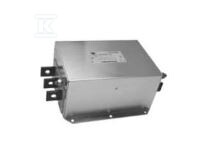
EMC input filter FEP 31600, 3-phase, class B, for inverter power of 750kW FEP31600
Suggested products
TECHNICAL DATA
Sales unit dimensions and weight: 1 pcs
EMC input filter FEP 31600, 3-phase, class B, for inverter power of 750kW FEP31600
Input filter EMC for inverters – protection and reliability
The EMC input filter is a key element ensuring the correct operation and protection of high-power inverters. Model FEP 31600, designed for systems up to 750 kW, effectively reduces electromagnetic interference, affecting the stability of the entire installation. This is particularly important in industrial environments where the presence of many electrical devices can generate noise and interference.
Construction and application
The Class B filter is characterized by high interference suppression efficiency, which translates to improved energy quality and extended life of connected devices. Using an EMC input filter minimizes the risk of damage caused by overvoltages and disturbances in the power grid. This solution is recommended wherever high reliability and protection against external interference are required.
- Inverter protection: Protects inverters up to 750 kW from electromagnetic interference.
- Interference reduction: Minimizes the impact of noise and harmonics on the power grid.
- Increased stability: Improves the stability of the inverter and devices connected to it.
- Industrial applications: Ideal for installation in industrial environments with a large number of electrical devices.
- Class B: Provides high interference suppression efficiency in accordance with EMC standards.
The FEP 31600 filter is characterized by a rated current of 1600A, a loss power of 180W and a weight of 27kg. These parameters guarantee its effective operation in demanding industrial applications.
The FEP 31600 filter is a solid and reliable solution for demanding applications where protection against electromagnetic interference and ensuring stable operation of high-power inverters are crucial. Its design has been created with long-term use in difficult industrial conditions in mind.