An air-to-water heat pump is an ecological and economical heating solution that is perfect for heating and cooling rooms and for preparing domestic hot water. Although installing air-to-water heat pumps is less demanding than ground models, it is not always trouble-free. It is easy to make mistakes that can result in lower system efficiency, higher operating costs or even damage to the device. In this article, we look at the most common mistakes made when installing and using air-to-water heat pumps and suggest how to avoid them.
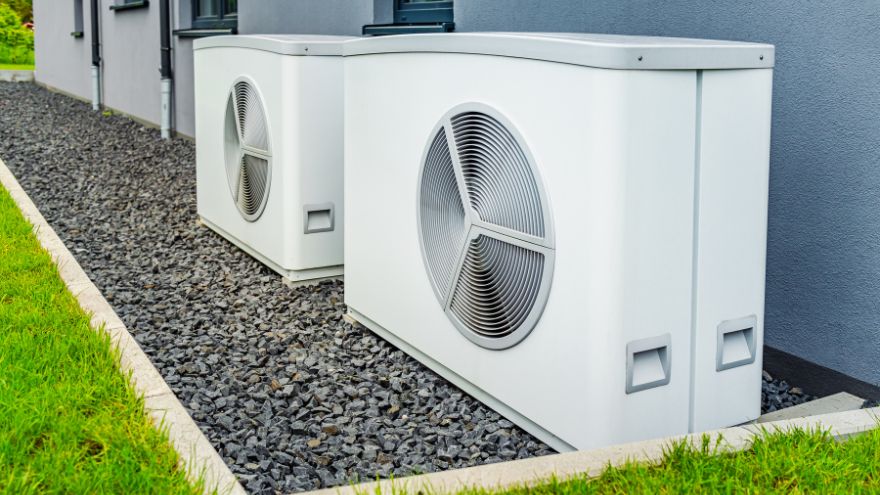
Check out air-to-water heat pumps at the Onninen wholesaler
How does an air-to-water heat pump work?
The air-to-water heat pump is a modern, automated solution that draws heat energy from the air and uses it to heat water in the heating system. It heats the interior, cools it on hot days and provides hot water. A properly selected and installed pump successfully acts as an effective, independent heat source.
Air-to-water heat pumps are divided into two main types:
- Monoblock air-to-water heat pumps – single-segment with a hermetically sealed cooling system, designed for installation inside or outside the building, very easy to install;
- Split air-to-water heat pumps – based on two units, external and
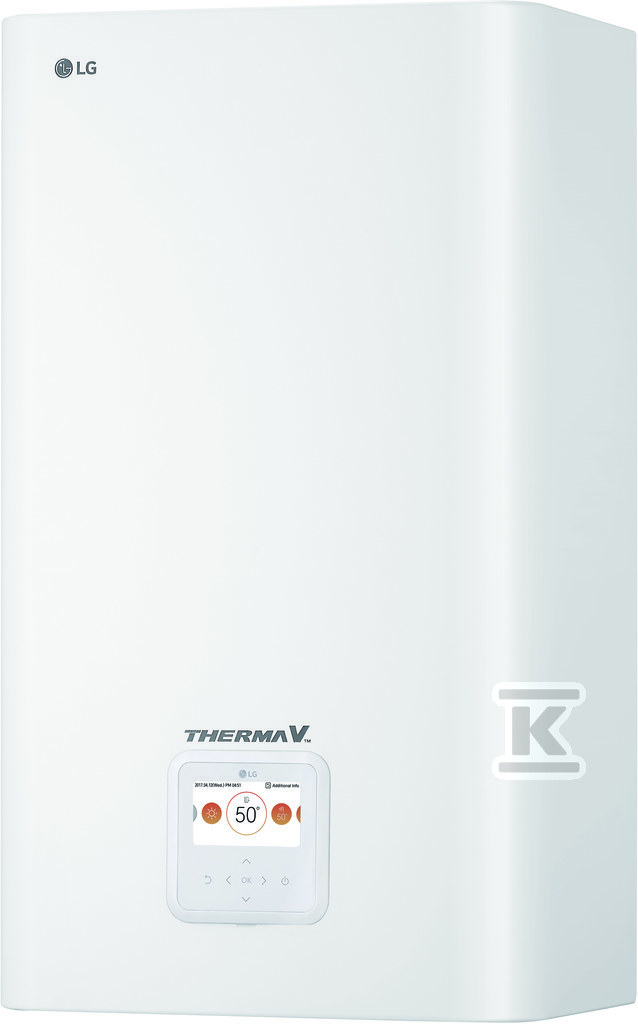 internal, connected by pipes with a refrigerant, quiet and resistant to freezing, more demanding in installation due to the need to have refrigeration qualifications.
Air-to-water heat pumps are a common choice for investors who want to avoid invasive earthworks, especially drilling for the lower heat source. As a rule, they are simpler and less expensive to install than other heat pumps . However, practice shows that both at the stage of installation and later operation, various errors and difficulties may occur.
The most common mistakes when installing an air-to-water heat pump
The most common mistakes related to the installation of an air-to-water heat pump are incorrect selection of the type of device. First of all, it is necessary to remember that air-to-water heat pumps are available in low-temperature and high-temperature versions . The former are intended for new buildings equipped with surface heating systems, and the latter for renovated buildings, where there are traditional, but still efficient high-temperature radiators. High-temperature pumps are able to heat water to a temperature of up to 80°C. They provide optimal thermal comfort even in harsh climatic conditions - without the use of an additional, supporting electric heater to heat the water. The key parameter of each heat pump is the heating power , the correct selection of which can be a challenge for inexperienced installers. Errors in the selection of heating power, with a large drop in outside temperature, may result in insufficient heating of the rooms, and consequently - the need to support the system with a heater.
Another common mistake is the incorrect installation location . Although installing the unit inside the building seems to be the safest option due to the protection of the elements from the destructive effects of atmospheric factors, it is associated with the risk of annoying noise (noise) in the living quarters. In addition, it may be necessary to make large holes for the air ducts. On the other hand, installing a heat pump outside the building requires good protection against water freezing. If the priority for the investor is the quietest possible operation of the system, it is worth considering choosing a Monoblock heat pump designed for internal installation. Split heat pumps with a glycol circuit also generate a low noise level. Various additional design solutions ensure that the emission of sounds and vibrations is minimized. Specialized systems allow the heat pump to be quieter to the level of a small fan.
A critical mistake is to ignore the manufacturer's installation instructions . Ignoring official guidelines may result not only in lower system efficiency and higher operating costs, but also in loss of warranty and even lead to irreversible mechanical damage and 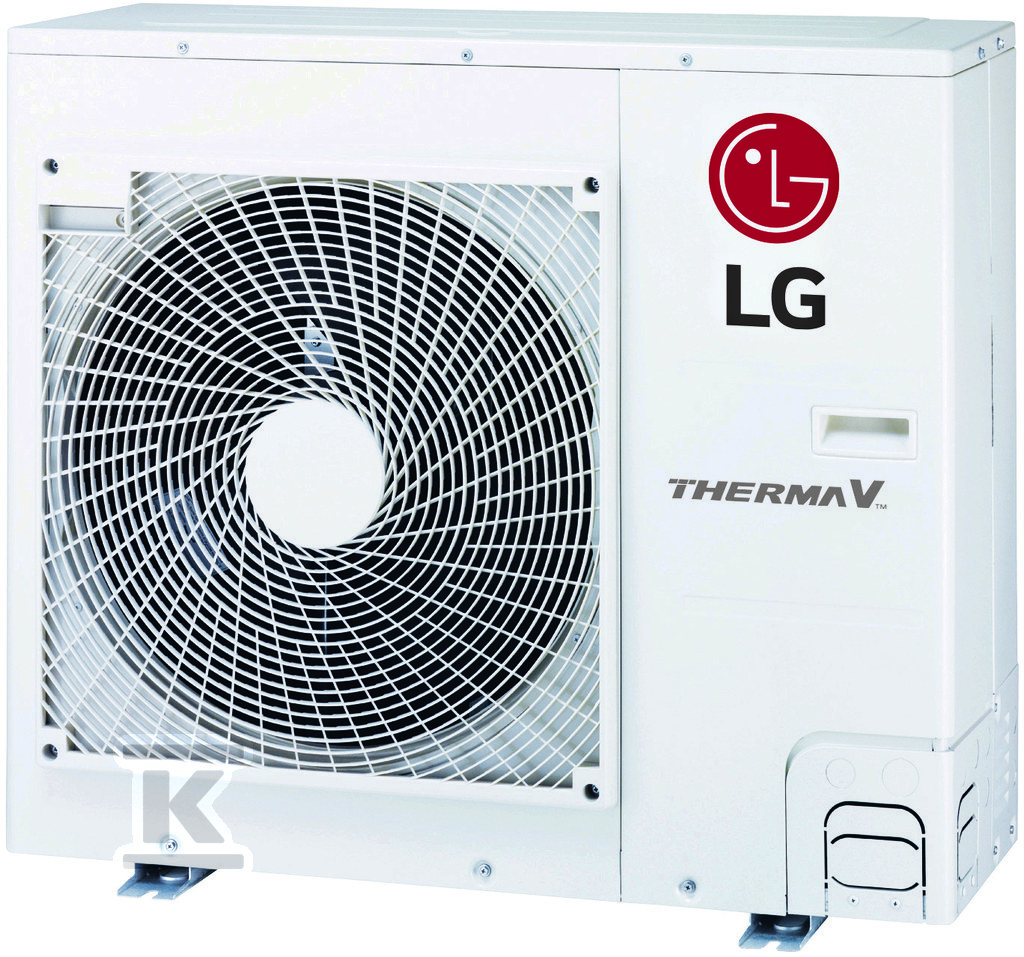
electrical heating device. The installation of a heat pump should be entrusted to an experienced installer who has knowledge of RES installations. Moreover, most well-known heat pump manufacturers require that the installation be performed by an authorized installation company in order to maintain the warranty.
The most common errors when operating an air-to-water heat pump
The basic operating error is improper settings. Mistakes in this area can result in lower system efficiency, increased energy consumption or insufficient heating of the building. Modern air-to-water heat pumps are self-service devices equipped with advanced controllers. After a one-time configuration, they require minimum involvement from the user. When investing in a heat pump, it is worth taking care of the control system, which will automate the operation of the installation and allow for convenient control of the climate in the house.
See the heat pumps available at the Onninen OZE wholesaler. Our range includes hundreds of efficient and ecological devices from the most respected manufacturers, such as Bosch, De Dietrich, Nibe and Vaillant.