When designing and installing an installation, it is essential to pay attention to a number of factors that protect the system from leakage. In what situations should a ball valve with a choke be used, and when without?
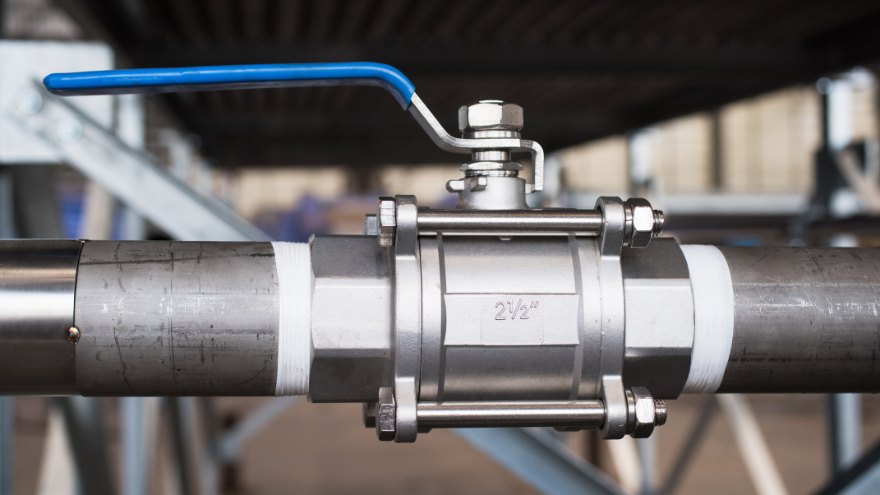
Check out the ball valves at the Onninen wholesaler
What is a ball valve with a gland?
A ball valve with a choke is a special solution that combines the functionalities of a ball valve with a mounted choke that serves to regulate the flow of liquid. This model is used in installations where, in addition to traditional opening and closing of the flow, it is also necessary to regulate the pressure of the liquid or its amount flowing through the installation.
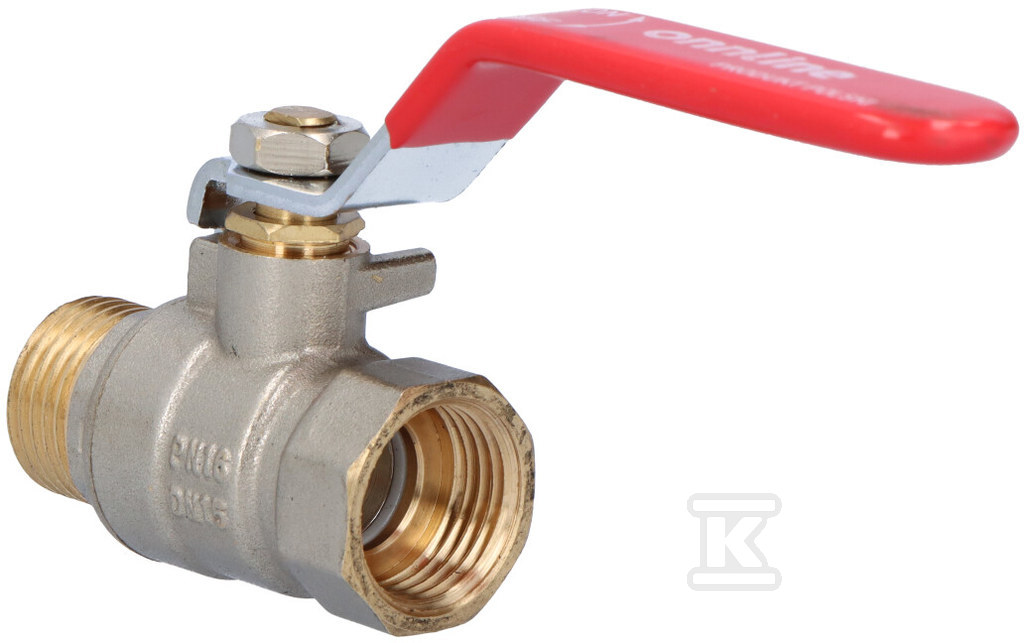 Installation valves equipped with a choke are characterized by a specific structure. In the body made of damage-resistant metal there is a ball with a through-flow pipe. The ball, rotating by 90 degrees, opens or closes the valve. Models equipped with a choke additionally have a regulating element, which, depending on the mechanism variant, can take the shape of a needle or a restrictor. This design allows to reduce the flow diameter and control the force and pressure of the liquid. Inside the choke there are additional seals, reducing the risk of leaks, thus improving the precision of the choke in the ball valve.
The choke is a functional element that allows easy regulation of pressure and flow. For this reason, it is widely used in installations that require control and high precision of operation. A great advantage of this solution is also the simple design and reliability of the element.
Where is it advisable to use a ball valve without a choke?
Despite its excellent properties and the possibility of precise control of the installation, the ball valve with a choke is not used in every situation. An important element is a precise analysis of the needs and the location of the given valve. The variant with a choke is not used in the case of the main shut-off valves of a given installation, in places where effective and fast operation and immediate shut-off of water or gas are most important. In addition to the main shut-off valves of the installation, the valve without a choke will also work well in irrigation systems, mainly in gardens or agricultural areas.
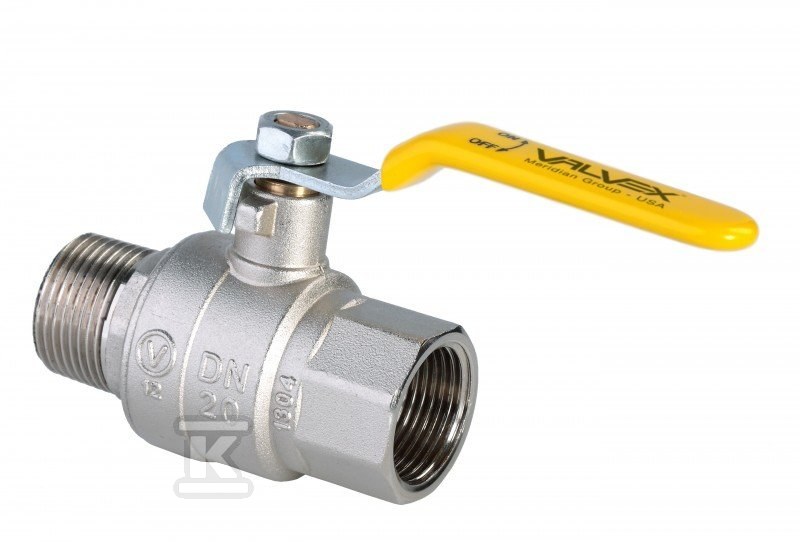 Ball valves are also used in gas and heating installations. In industrial installations, classic ball valves are installed in industrial production lines and pipelines, where functional and failure-free solutions are necessary. Thanks to them, it is possible to quickly and easily close the flow of liquid, gas or oil to the system elements, e.g. in the event of a failure or planned maintenance of devices.
In pneumatic systems, ball valves without a choke enable control of the flow of compressed air. Properly positioned, they allow immediate shut-off of the flow to specific devices or parts of the installation.
The use of ball valves is useful not only in industrial conditions, but also in home installations, including water supply and central heating systems. They are often installed in buildings with underfloor heating. Ball valves make it possible to very quickly cut off the water supply to specific circuits in the event of a failure.
What is better to choose: Ball valve with or without choke?
Which valve variant will be better? There is no clear answer, because a lot depends on the individual needs of a given installation and its specifics. Each solution has certain advantages and disadvantages.
The ball valve without a choke is a simple design. It is adapted to open the flow of liquid media and close them quickly, so it is easy to use. It is also simple to use and resistant to damage and failure. The cost of purchase and installation is lower than models with a choke. Valves are used in both domestic and industrial installations. In places where fast than reliable closing of the liquid flow is not required. This model will work well in water, gas, civil and pneumatic installations. Available in various sizes, e.g. ¾ ball valve or 1 inch ball valve . Thanks to this, the size can be precisely matched to the installation.
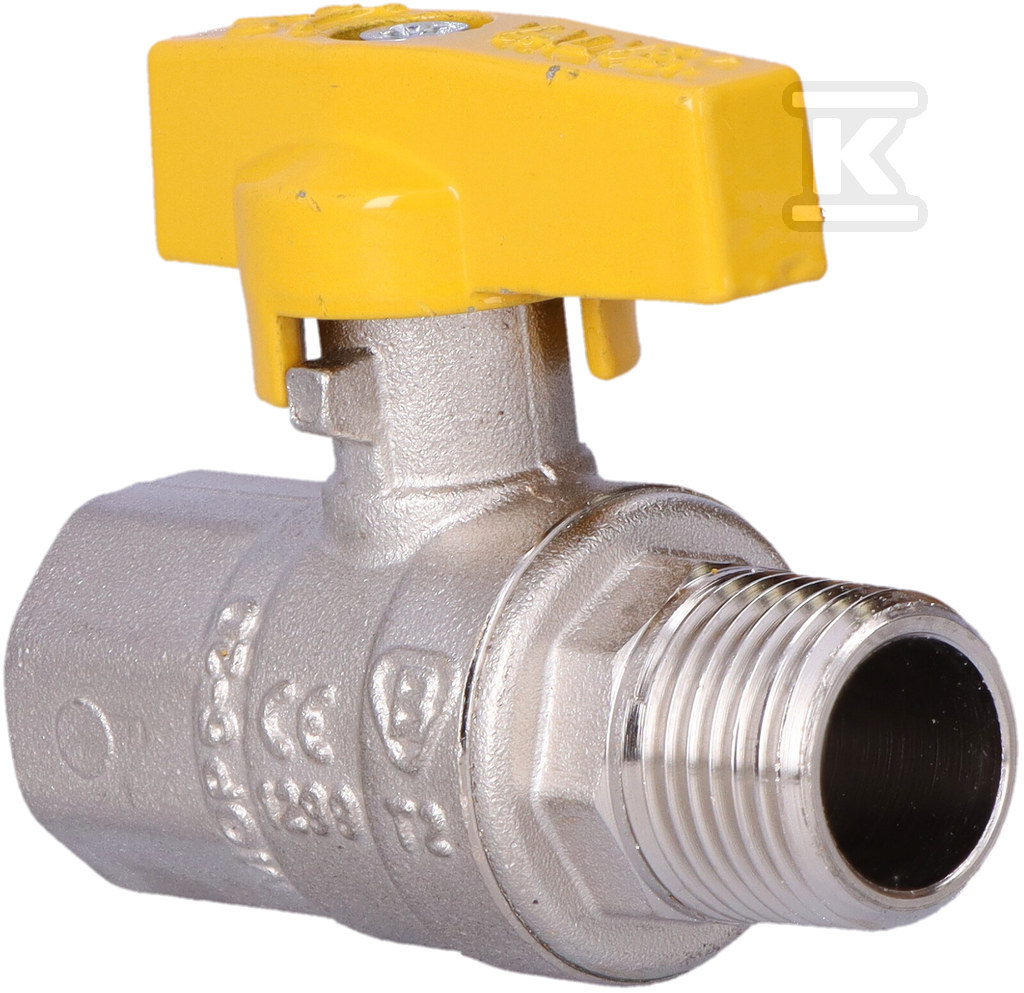 Ball valves with a choke are very versatile. They not only allow for quick shut-off of the flow, but also regulate the maximum working pressure, preventing failures. The choke located inside the body allows for very precise control, and the seal prevents any fluid leakage. The most common applications of the choke valve are related to the chemical industry, but also in connection with heating, air conditioning and ventilation installations. The medium used in them requires proper protection. In the circuit, the maximum working pressure at which the system will operate properly can be determined.
A regular ball valve will work well if a simple design that allows the system to be opened and closed is sufficient. This model is a sufficient solution in many installations, while throttle valves with regulating functions will be used in industry, in systems where the condition for proper operation is constant control and regulation of pressure.
Ball valves at the Onninen wholesaler
Installation technology is a category where you can find different types of valves, nuts and other installation elements. Valves used in installations, such as a nickel-plated gas ball valve equipped with an aluminum lever from Valvex, is a solution prepared with applicable standards, adapted to work in a temperature class from -40 to + 60 degrees and an increased pressure class. A reinforced, steel lever is used in the valves.
An alternative solution that helps seal the installation and close the water or gas supply is a nickel-plated gas ball valve with an aluminum butterfly . In this model, the classic handle has been replaced with a butterfly. They are used where the system must be secured and leakage of media from the installation would be associated with serious failures.