The appropriate choice of a heatsink is a key decision affecting the reliability and lifespan of electronic devices. At Onninen, as leaders in the distribution of solutions for the industry, we observe a growing demand for professional aluminum and steel heatsinks for electronic applications. The choice between these materials depends on the specific requirements of the application, operating conditions, and technical parameters of the cooled components.
From our many years of experience, we find that the correct selection of a heatsink can extend the lifespan of electronic components by as much as 50%. In Onninen's offer, you will find solutions for industry and maintenance that meet the highest standards of quality and reliability.
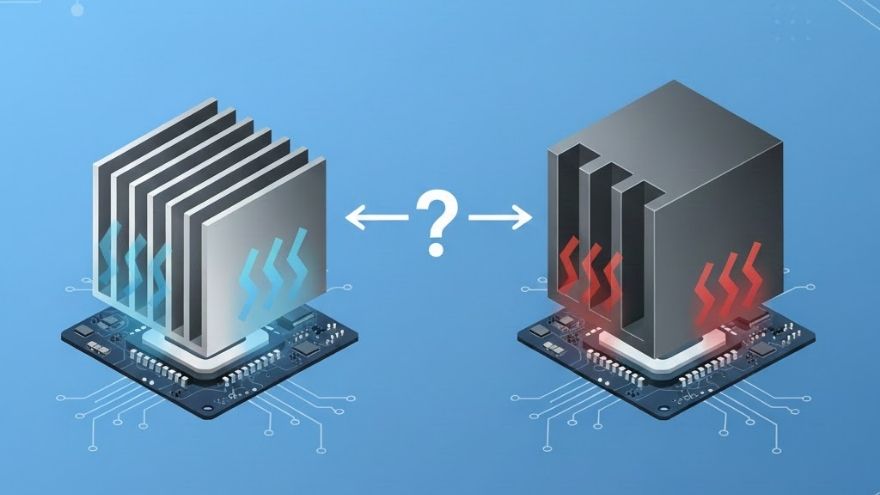
Check industry and maintenance at Onninen warehouse
Why heat dissipation is crucial in electronics
Modern electronic circuits generate significant amounts of heat during operation. Overheating of semiconductor components leads to degradation of their parameters, shortening of lifespan, and in extreme cases – total system failure. Our team of experts notes that this problem particularly affects:
- Converters and switching power supplies
- Stepper and brushless motor controllers
- Power systems in industrial automation
- Solid-state relays (SSR)
- High-power LED modules
Effective cooling helps maintain the temperature of the semiconductor junction below critical values, ensuring stable operation of the device for many years of use.
Aluminum heatsinks – characteristics and applications
Aluminum is the primary material in the production of electronic heatsinks due to its optimal combination of thermal and mechanical properties. The thermal conductivity coefficient of aluminum is 200-280 W/m·K, which ensures effective heat dissipation from the cooled components.
Key advantages of aluminum heatsinks
| Parameter | Value/Characteristic |
|---|---|
| Specific weight | 2.7 g/cm³ (3x lighter than steel) |
| Thermal conductivity | 200-280 W/m·K |
| Corrosion resistance | Natural layer of Al₂O₃ oxide |
| Machinability | Easy shaping and machining |
In Onninen's assortment, we offer extruded aluminum profiles and ready-made heatsinks tailored to various electronic enclosures. Popular applications include cooling A4988/DRV8825 controllers, MOSFET modules, and integrated circuits in TO-220 and TO-247 packages.
When to choose an aluminum heatsink
- Passive cooling – aluminum performs excellently in applications without forced air circulation
- Weight restrictions – crucial in portable and mobile devices
- Corrosive environments – the natural oxide layer provides protection
- Mass production – optimal price/performance ratio
Steel heatsinks – durability and longevity
Steel, especially in alloys with additives that increase thermal conductivity, is an alternative to 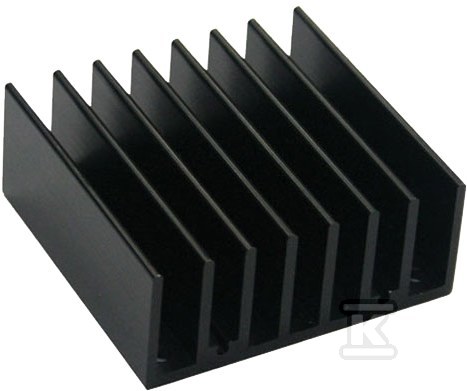 aluminum in demanding industrial applications. Steel heatsinks have a higher specific weight, which translates to greater thermal capacity of the system.
Specific properties of steel in heatsink applications
The thermal conductivity of carbon steel is about 50 W/m·K, significantly less than aluminum. However, the higher density of the material (7.8 g/cm³) provides better heat accumulation, which can be beneficial in applications with pulsed thermal loads.
From our experience in serving industrial clients, we find that steel heatsinks perform particularly well in:
- Devices exposed to mechanical damage
- Industrial environments with high durability requirements
- Applications with large temperature fluctuations
- Systems requiring thermal stability
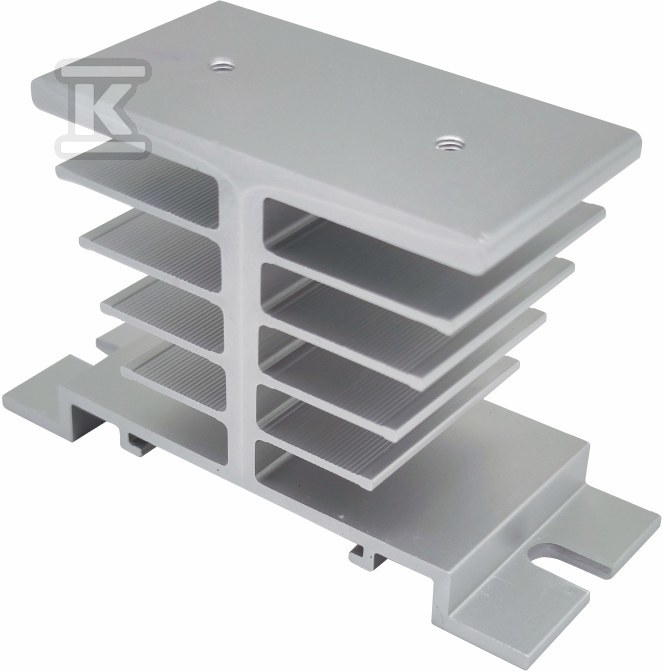 In the offer of industrial solutions, you will find steel cooling elements tailored to the specific requirements of automation and control.
Practical aspects of mounting and selecting heatsinks
The effectiveness of cooling depends not only on the material of the heatsink but also on the quality of the thermal contact between the component and the heatsink. Our technical team recommends using:
Thermal conductive materials in Onninen's offer
- Silicone pastes – conductivity up to 8.5 W/m·K
- Ceramic pads – for electrical insulation
- Thermal conductive films – reusable
- Thermal adhesives – for permanent mounting
Examples of products available in our assortment include heatsinks for MEAN WELL converters and specialized heatsinks RELPOL RH28 designed for relays and power systems.
Analysis of total operating costs
When choosing a heatsink, it is worth considering not only the purchase cost but also the total operating cost over the device's lifecycle. Our analyses show the following dependencies:
| Criterion | Aluminum heatsink | Steel heatsink |
|---|---|---|
| Purchase cost | Average | Low |
| Installation cost | Low (light) | Higher (heavy) |
| Lifespan | 15-20 years | 20-25 years |
| Maintenance | Minimal | Periodic corrosion check |
Frequently asked questions
1. Which material dissipates heat better – aluminum or steel?
Aluminum has significantly higher thermal conductivity (200-280 W/m·K) than steel (about 50 W/m·K). This means faster heat dissipation from the cooled component. However, steel has a greater thermal capacity due to its higher density, which can be beneficial in applications with pulsed thermal loads.
2. Are aluminum heatsinks resistant to corrosion?
Yes, aluminum forms a natural protective layer of aluminum oxide (Al₂O₃). This layer effectively protects against corrosion under normal operating conditions. In aggressive environments, we additionally recommend anodizing or coating the surface with special protective preparations.
3. How to calculate the required surface area of the heatsink?
The surface area of the heatsink depends on the heat loss power, the allowable temperature of the component, and the thermal resistance. The basic formula is: P = (Tj - Ta) / (Rjc + Rcs + Rsa), where P is the power, Tj is the junction temperature, Ta is the ambient temperature, and R is the thermal resistances of the individual layers.
- Determine the maximum heat loss power of the component
- Check the allowable operating temperature in the documentation
- Consider the mounting conditions and air circulation
4. When is a heatsink with forced air circulation needed?
Forced air circulation is necessary for powers exceeding 20-30W per component. A fan can increase cooling efficiency by up to 3 times. In Onninen's offer, you will find complete cooling kits with fans tailored to specific industrial applications.
5. Can different materials be combined in one heatsink?
Yes, hybrid solutions combine the advantages of different materials. It is common to use a copper base (highest conductivity) with aluminum fins (low weight). Such constructions can be found in professional heatsinks for high-power systems available in our assortment.
6. How often should heatsinks in industrial devices be maintained?
Aluminum heatsinks require inspection every 6 months, while steel ones every 3 months. Basic tasks include removing dust with compressed air, checking fastenings, and inspecting the condition of thermal conductive pastes. In high-dust environments, the cleaning frequency should be increased.
- Visual inspection for mechanical damage
- Checking operating temperature with a non-contact thermometer
- Replacing thermal conductive pastes every 2-3 years
Investment in the reliability of electronic systems
Choosing the right heatsink is an investment in the long-term reliability of electronic devices. From our many years of experience in serving the industry, we find that proper thermal management can extend the lifespan of systems by up to a decade.
At Onninen, we offer comprehensive technical support in selecting cooling solutions. Our specialists will help optimize operating costs while maintaining the highest standards of reliability. Contact your nearest Onninen branch or use our purchasing platform to check the availability of products tailored to your requirements.
Remember that investing in high-quality components for industry leads to savings in the long term. The availability of products on hand in our warehouses and the support of technical advisors ensure the continuity of your industrial systems' operation.