The material from which the toilet seat is made affects its appearance, durability, longevity, ease of cleaning, and price. Manufacturers of modern bathroom solutions often opt for duroplast. We explain what this material is and why it is worth choosing a duroplast toilet seat.
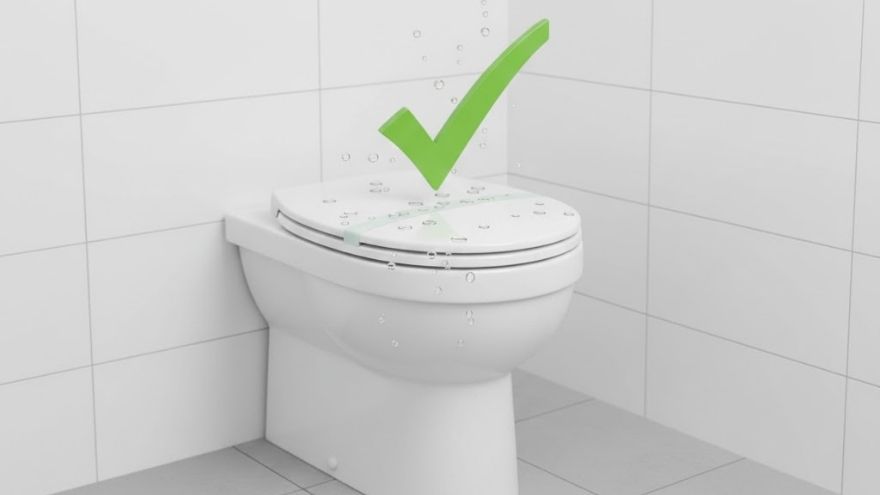
Check toilet seats at Onninen warehouse
What is duroplast?
Duroplast (also known as hard plastic or Bakelite after its inventor) is an advanced, thermosetting composite material with high hardness and mechanical strength. It combines the properties of plastics and ceramics. It is exceptionally durable and resistant to scratches, chemical agents, higher temperatures, and deformations. It feels similar to ceramic to the touch. Duroplast has versatile applications in fields where solidity and resistance to extreme conditions matter: from the automotive industry, through electricity, to the sanitary sector.
Why is it worth choosing a duroplast toilet seat?
Toilet seats made of duroplast are primarily extremely durable and resistant to deformation, so with a little care and attention, they can last for years. They are characterized by increased thickness, hardness, and massiveness. They perform excellently in bathrooms used by individuals with athletic builds and those who are overweight, as they can withstand significant weight. They do not lose their shape or bend, which can be a problem with products made from other materials. Another advantage of duroplast toilet seats is their ease of cleaning. The smooth, non-porous surface prevents dirt and microorganisms from settling. Simply wipe the seat with a soft cloth and mild detergent to keep it perfectly clean and looking like new. The cleaning and maintenance process is further supported by quick-release systems and antibacterial coatings - often used by manufacturers. In stores, you can find many different models: from classic white seats to colorful variants finished in gloss or trendy matte, to designer concepts, e.g., those that look like they are made of natural marble or wood. A duroplast toilet seat costs on average 150-200 PLN.
Duroplast toilet seats and those made from other materials - comparison
Toilet seats are also made from other materials, mainly MDF board and polypropylene (PP).
- Toilet seats made from MDF board covered with veneer are solid, relatively stiff and massive, pleasant to the touch, comfortable to use, and… undeniably impressive. The veneer can imitate wood, metal, stone, or ceramics, among others. There are many patterns to choose from, allowing you to arrange the WC area in an individual style. A disadvantage can be sensitivity to moisture.
- Toilet seats made from polypropylene (PP) are cheap, lightweight, flexible, soft, and easy to clean, which contributes to their popularity. However, they should not be heavily loaded, as they can deform quickly. Their surface is also more prone to dirt.
Duroplast stands out among the materials used for producing toilet seats. Duroplast models are particularly recommended for those who expect high quality, longevity, and hygiene.
What to pay attention to when buying a duroplast toilet seat to make it practical?
The standard in modern toilet seats is the soft-close mechanism. A special hinge design ensures a slow, quiet, gentle closure, which increases comfort, safety, and hygiene when using the WC. An example is the duroplast toilet seat with soft-close hinge Masma. To start closing, just lightly touch its top part. Parents of small children particularly appreciate this functionality, as it minimizes the risk of pinching fingers and breaking the toilet bowl due to a sudden slam. For the toilet seat to be maximally practical, it should also be easy to keep clean. To this end, manufacturers coat the seats with antibacterial coatings and equip them with quick-release and installation systems.
Is a duroplast toilet seat suitable for a person with a disability?
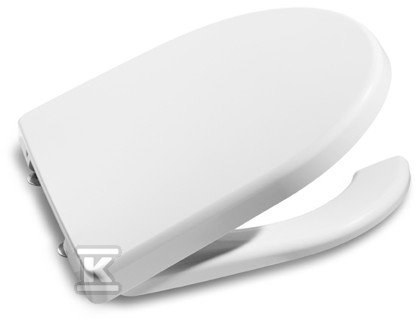
Of course. In bathrooms and toilets used by people with disabilities and seniors, for example, the duroplast toilet seat with cutout Roca works perfectly. The special cutout facilitates sitting down and getting up from the toilet for individuals with limited mobility, supporting safety, independence, and comfort in daily life.
Toilet seats at Onninen sanitary warehouse
 At the Onninen warehouse, professionals from the installation and construction-renovation industry, as well as individual customers, will find solid duroplast toilet seats in various size and aesthetic variants, suitable for bathrooms arranged in various styles. We build our offer based on solutions from leading manufacturers and brands such as Geberit, Grohe, Koło, and Ravak.
Need help choosing bathroom equipment? Contact us. We provide professional technical and commercial support.
FAQ
1. What is duroplast?
In short, it is a hard, thermosetting plastic resembling ceramics. It is durable, strong, and resistant to deformation.
2. What are the advantages of duroplast toilet seats?
They are exceptionally durable, scratch-resistant, hygienic, and practical. Manufacturers often equip them with additional solutions, e.g., a soft-close system and antibacterial coating.
3. Why are there cutouts in some toilet seats?
A toilet seat with a cutout is primarily intended for elderly individuals and those with disabilities who need easier access to the toilet.
4. Is it easy to clean a duroplast seat?
Yes - thanks to the smooth, non-porous surface and often available antibacterial coating.
5. How does a duroplast seat differ from a polypropylene seat?
Duroplast toilet seats are resistant to damage and deformation and easy to maintain. In contrast, polypropylene (PP) models are characterized by low price and lightness.