At Onninen, we know that modern industrial and commercial installations require reliable pressure control systems. Pressure relays are fundamental elements of automation that ensure the safety of the entire installation through continuous monitoring and automatic responses to irregularities. As a market leader in installation solutions, we offer proven solutions that protect not only the equipment but, above all, the operators and end users.
The safety of installations is a priority that does not tolerate compromises. Our years of experience show that the proper selection and installation of pressure relays can prevent costly failures and increase the reliability of the entire system. In Onninen's assortment, you will find professional installation technology systems from renowned manufacturers that meet the highest safety standards.
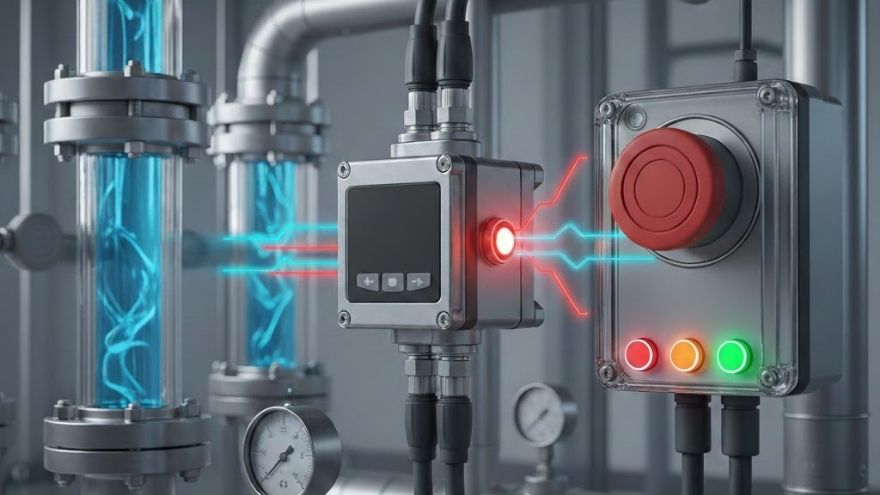
Check installation technology at Onninen warehouse
Why pressure control is crucial for installation safety
The pressure relay acts as a guardian of safety in every hydraulic or pneumatic installation. Its primary task is to monitor pressure values and automatically respond to exceeding set parameters. In industrial installations, where pressures can reach high values, the importance of this device is invaluable.
Main safety functions of pressure relays
- Overpressure protection - automatic pump shutdown or opening of safety valves
- Underpressure protection - activation of the medium replenishment system
- Dry run control - protection of pumps from operating without working medium
- Continuous monitoring - constant control of installation operating parameters
- Alarm signaling - indication of critical states
Consequences of lack of pressure control
The lack of appropriate pressure monitoring can lead to serious consequences. Excessive pressure causes damage to pipes, fittings, and devices, while insufficient pressure can lead to improper functioning of the entire system. Our experience shows that investing in quality pressure relays pays off multiple times by avoiding costly failures.
Types of pressure relays available at Onninen
In our assortment, you will find various types of relays tailored to specific applications. Each type offers different capabilities and has been designed with specific safety requirements in mind.
Mechanical pressure relays
Traditional solutions based on spring membranes are characterized by high reliability and do not require electrical power. They are ideal for basic applications where simple on/off control of devices is needed at specific pressure values.
| Device type | Pressure range | Main application |
|---|---|---|
| Mechanical pressure switch | 0.5-16 bar | Hydrophores, compressors |
| Differential switch | 0.1-10 bar | Filtration systems |
| Safety relay | 1-25 bar | Industrial installations |
Electronic control systems
Modern electronic pressure relays offer advanced diagnostic functions and the ability for precise adjustment. Equipped with digital displays, they allow for constant monitoring of parameters and programming of various operating modes.
Danfoss pressure relays - reliability in every application
In Onninen's offer, we particularly recommend Danfoss pressure relays from the CS series, which stand out for their exceptional durability and precision of operation. These devices have been designed specifically for demanding industrial applications.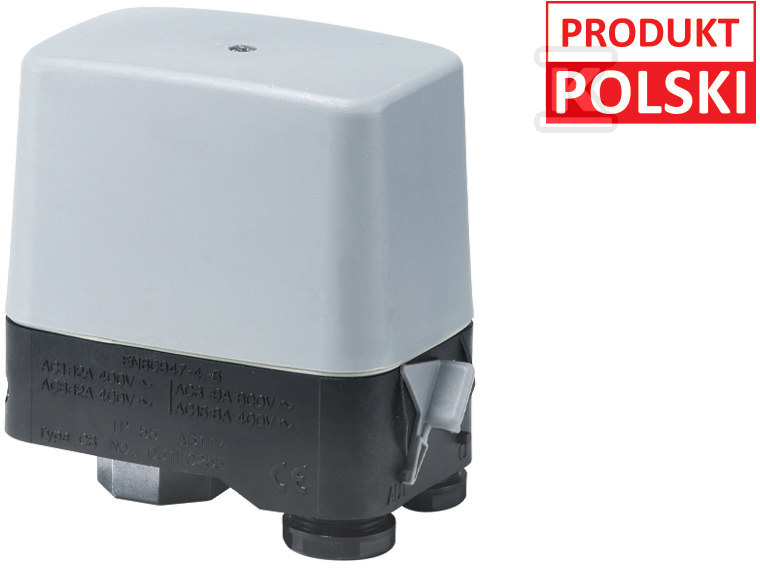
Key features of Danfoss CS relays
- Three-pole contacts - ensure safe disconnection of all phases
- Adjustable switching differential - precise adjustment to installation needs
- Manual locking switch - additional service protection
- Durable construction - resistant to harsh industrial conditions
- Wide pressure range - from 2 to 12 bar in various variants
Practical applications in installations
Danfoss relays are used in a wide range of installations. In hydrophore systems, they provide automatic pump control, in compressors they monitor tank pressure, and in refrigeration installations, they monitor the pressure of the working medium. Our team of experts will help you select the appropriate model for specific requirements.
Installation and configuration for optimal safety
Proper installation of the pressure relay is the foundation of safe operation of the installation. Our experience shows that most problems arise from improper installation or incorrect configuration of the device.
Key installation principles
The location of the relay should ensure representative pressure measurement and easy service access. Installation should be performed on the pressure line, with appropriate sealing of the threads. It is also important to secure against vibrations and temperature effects.
Safety parameter settings
- Switching pressure - minimum 0.2 bar above the resting pressure
- Shut-off pressure - maximum 80% of the maximum installation pressure
- Switching differential - optimal value 1-2 bar for most applications
- Time delay - protection against frequent switching
Integration with safety systems
Modern relays can be integrated with building automation systems and alarm panels. This enables remote monitoring, event archiving, and quick responses to irregularities. In Onninen's assortment, you will find complete communication solutions compatible with popular protocols.
Frequently asked questions
How often should the operation of the pressure relay be checked?
Inspections should be conducted every 6 months in standard applications and every 3 months in critical installations. Regular checks include verifying the accuracy of operation, the condition of electrical contacts, and cleaning the pressure chamber. In industrial environments, we recommend additional inspections after any extraordinary event.
Can the pressure relay work with different media?
Yes, but it is necessary to match the materials of the wet parts to the chemical properties of the medium. For water and air, standard materials are sufficient, while for aggressive media, special versions with resistant seals and membranes are needed. Always check compatibility in the technical documentation.
What are the symptoms of improper operation of the pressure relay?
Main warning signals include frequent switching, lack of response to pressure changes, and unstable readings. Other symptoms include leaks from the pressure chamber, overheating of contacts, or delayed responses. If any of these symptoms occur, an inspection should be conducted immediately, and the faulty element should be replaced.
Can a pressure relay be used in high-temperature installations?
Standard models operate up to 80°C, while special high-temperature versions operate up to 150°C. For higher temperatures, additional cooling elements or membrane separators are required. Exceeding the maximum temperature may cause damage to rubber components and incorrect readings.
How to choose the appropriate pressure range for the relay?
The working range should fall within the middle 60% of the relay's measurement range. For example, for an installation operating at 6 bar, choose a model with a range of 0-10 bar. A too narrow range causes inaccuracies, while a too wide range reduces operational precision. Also consider pressure spikes occurring in the system.
Does the pressure relay require calibration?
Calibration should be performed once a year or according to industry standards. In critical safety installations, it may be required more frequently. Calibration should be entrusted to qualified technicians using standard pressure gauges. Calibration documentation is often required in audits.
What additional protections can be used with the pressure relay?
Effective protections include safety valves, control manometers, and redundant systems. In critical applications, double relays with 2oo2 logic are used. It is also important to have protections against pressure spikes, filters, and condensate separators. A comprehensive approach significantly increases the reliability of the system.
Investment in safety - long-term benefits
Choosing high-quality pressure relays is an investment in the safety and reliability of the entire installation. Our long-term observations show that professional pressure control systems reduce the number of failures by over 70% and significantly extend the lifespan of other components.
At Onninen, we offer not only top-class devices but also comprehensive technical support. Our specialists will help you select optimal solutions, conduct training for operators, and provide warranty service. Thanks to our nationwide network of branches, professional advice and quick deliveries are always within reach.
Remember that in matters of installation safety, there is no room for compromise. Installation technology available at Onninen meets the highest quality standards and can be used in the most demanding industrial applications.