Modernization of historic buildings in terms of energy-efficient heating solutions is a challenge that requires a combination of modern technology with the preservation of cultural heritage. At Onninen, as a market leader in installation, we regularly encounter questions about the possibility of integrating heat pumps with historical central heating systems in heritage buildings.
Our many years of experience show that successful integration of a heat pump in a historic building requires careful planning, appropriate technical solutions, and cooperation with heritage protection authorities. It is crucial to apply the right technology that will preserve the authenticity of the building while simultaneously increasing energy efficiency.

Check heat pumps at Onninen warehouse
Specific challenges in historic buildings
Historic buildings are characterized by unique structural features that affect the design and execution of heating installations. Thick stone or brick walls provide significant heat accumulation but often have limited thermal insulation according to contemporary standards.
Conservation restrictions
Before starting any work in a building listed in the register of monuments, it is necessary to obtain the consent of the provincial conservator of monuments. In our practice, we encounter various levels of protection - sometimes it only concerns the front elevation, which significantly facilitates the modernization of internal installations.
Characteristics of existing installations
- High-temperature heating systems - often operating with a supply temperature of 75-85°C
- Cast iron radiators with high thermal inertia - requiring a long heating time
- Single-pipe or two-pipe systems with limited regulation possibilities
- Large pipe diameters ensuring significant flows of heating water
Choosing the right heat pump for a historic building
From Onninen's assortment, we recommend solutions tailored to the specifics of historic installations. High-temperature air-to-water heat pumps are often the optimal choice, as they can provide a supply temperature of up to 75°C even at low outdoor temperatures.
Technical parameters crucial in historic applications
| Parameter | Recommended value | Justification |
|---|---|---|
| Supply temperature | 65-75°C | Cooperation with cast iron radiators |
| Power range | 15-60 kW | Covering heat losses in large buildings |
| Type of installation | Split or monoblock | Flexibility in the placement of units |
| Refrigerant | R32 or R290 | Efficiency in high-temperature applications |
Bivalent system as a transitional solution
In historic buildings, we often use a bivalent system, where the heat pump works in conjunction with an existing gas or oil boiler. This solution allows for gradual modernization - the heat pump covers the heating demand for most of the heating season, while the traditional boiler only activates at extremely low outdoor temperatures.
Technical aspects of integration with existing installation
Integrating a heat pump with a historical central heating installation requires detailed technical analysis and often modifications to the hydraulic system. From our experience, we know that a proper hydraulic coupling is a key element ensuring the stable operation of the entire system.
Modifications to the hydraulic installation
In historic buildings, we often encounter the need to use a buffer tank with a capacity of 500-1000 liters, which acts as a heat accumulator and stabilizes the operation of the heat pump. In Onninen's offer, there are installation technology solutions that enable professional execution of such installations.
Preserving existing radiators
One of the greatest advantages of integrating a heat pump in a historic building is the possibility of preserving the original cast iron radiators. These characteristic elements of equipment can be successfully utilized, provided that a heat pump with appropriate parameters is used.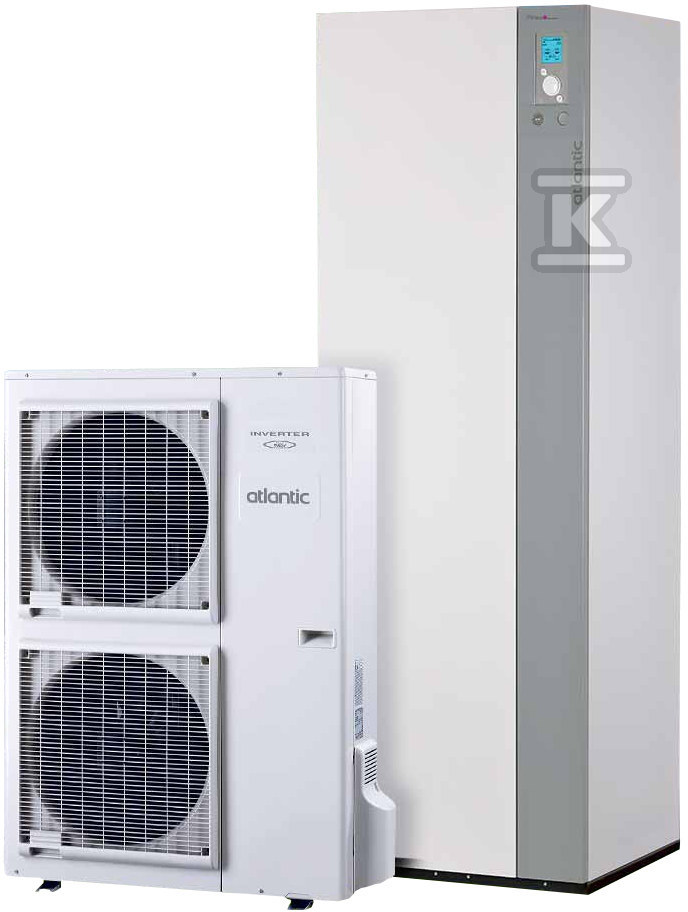
- Assessment of heating surface - checking whether existing radiators will provide sufficient power at a reduced supply temperature
- Installation of thermostatic valves - improving regulation and thermal comfort
- Replacement of thermostatic heads with models with a larger range of regulation
Examples of successful implementations in historic buildings
In our practice, we have implemented heat pump installations in various types of historic buildings - from 18th-century churches to tenement houses from the early 20th century. Each project required an individual approach and close cooperation with heritage conservators.
Case study: modernization of a historic church
In one of the implementations, we used a ground source heat pump with a power of 60 kW with eight vertical ground heat exchangers, each 150 meters long. The system maintains a constant temperature of 12°C and humidity below 65%, which is required for preserving historic equipment.
Benefits of the applied solutions
- Precise control of microclimate parameters - crucial for preserving heritage
- Significant reduction in operating costs - compared to traditional heating systems
- Quiet operation of the system - without disrupting sacred or residential functions
- Minimal interference with the structure of the building - preserving the integrity of the historic substance
Process challenges and practical solutions
Implementing projects in historic buildings requires particular care in planning and execution. From our experience, we find that cooperation with a team of specialists from the very beginning of the project is key to the success of the investment.
Stages of project implementation
The process of integrating a heat pump in a historic building proceeds in the following stages:
- Energy and conservation audit - assessment of technical condition and legal restrictions
- Designing technical solutions - tailored to the specifics of the building
- Obtaining approvals and permits - including the consent of the conservator of monuments
- Execution of the installation while maintaining conservation standards
- Commissioning and optimization of operating parameters
Typical technical solutions
In Onninen's offer, you will find complete heat pumps tailored to the requirements of historic buildings, including high-temperature split and monoblock units with advanced control systems.
Frequently asked questions
1. Can a heat pump be installed in every historic building?
Installing a heat pump is possible in most historic buildings, but it requires individual assessment. It is crucial to obtain the consent of the conservator of monuments and to adapt technical solutions to the character of the building. The most important factors are the form of conservation protection and the technical condition of the existing heating installation.
2. What are the costs of integrating a heat pump with a historic central heating installation?
Costs range from 80,000 to 200,000 PLN depending on the size of the building and the complexity of the installation. They include the heat pump, modernization of the hydraulic installation, buffer tank, and conservation works. The return on investment usually occurs after 6-10 years due to significantly lower operating costs.
3. Can original cast iron radiators be preserved when installing a heat pump?
Yes, original cast iron radiators can be preserved when using a high-temperature heat pump. It is crucial to use a device that provides a supply temperature of 65-75°C and possibly increase the heating surface in some rooms. Cast iron radiators have high thermal inertia, which positively affects the stability of the heat pump's operation.
4. What permits are required for installing a heat pump in a historic building?
Consent from the provincial conservator of monuments and standard building permits are required. The application must be submitted along with a technical project that takes into account the principles of heritage protection. The process of obtaining permits usually takes 2-4 months, so it is advisable to start procedures early in the planning stage.
5. Which heat pumps are best suited for historic buildings?
The best are high-temperature air-to-water heat pumps with a power of 15-60 kW capable of achieving a temperature of 75°C. We recommend split units that allow for flexible placement of components and models with advanced control enabling precise parameter regulation. The ability to operate in a bivalent system is also important.
6. Can a heat pump pose a threat to the historic substance of the building?
With proper design and execution, a heat pump does not pose a threat to the historic substance. It is crucial to maintain appropriate humidity and temperature parameters and to avoid interference with protected elements. Modern control systems allow for precise maintenance of a microclimate conducive to preserving heritage.
Investment in the future of cultural heritage
Integrating a heat pump with the central heating installation in a historic building is an investment in the future of Polish cultural heritage. It allows for a combination of respect for history with modern technological solutions, while also providing significant energy savings and user comfort.
At Onninen, we offer comprehensive support in the implementation of such projects - from technical advice at the design stage, through the supply of high-quality devices, to support during commissioning and operation. Our specialists collaborate with renowned design offices and installation companies, ensuring professional execution of even the most demanding investments in historic buildings.