Effective management of heating installations in commercial buildings is much more than regular maintenance. It is a comprehensive approach that includes monitoring, optimizing energy consumption, and strategic planning for modernization. Our many years of experience in the installation industry show that a professional approach to the operation of heating systems can reduce operational costs by up to 30%, while simultaneously extending the lifespan of the installation.
In today's world, where energy costs are rising and environmental requirements are becoming increasingly stringent, proper management of heating systems in companies is no longer an option but a business necessity. Modern control and automation technologies available in our offer allow for precise adjustment of operating parameters to the actual needs of the facility.
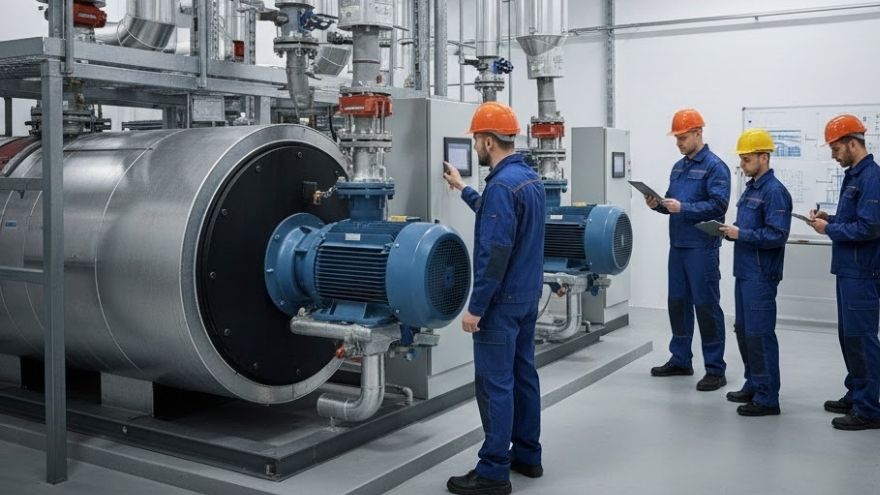
Check control and safety devices at Onninen warehouse
Key elements of heating installation management in commercial buildings
Professional management of heating installation operation in enterprises is based on four fundamental pillars. The first is continuous monitoring, which allows for real-time tracking of system operating parameters and early detection of irregularities.
Monitoring and control system
Modern heating systems require advanced monitoring solutions. In Onninen's offer, you will find complete sets of temperature sensors, digital manometers, and telemetry systems that allow for remote supervision of installation operation. Such solutions are particularly useful in multi-location facilities, where centralized heat management brings tangible economic benefits.
- Temperature sensors - multi-zone monitoring with precision ±0.1°C
- Digital manometers - ongoing supervision of pressure in the installation
- Alarm systems - automatic notification of detected irregularities
- Data loggers - archiving parameters for long-term analysis
Automation and temperature controllers
The heart of every professional management system consists of control and safety devices. Our assortment includes weather controllers, mixing valve controllers, and programmable room controllers that automatically adjust operating parameters to changing conditions.
Danfoss weather controllers, which we recommend for larger commercial facilities, enable energy savings of 15-20% by automatically adjusting the heating curve to the outside temperature. Mixing valve controllers, on the other hand, provide precise control of supply temperature in individual zones of the building.
Preventive maintenance strategy in thermal management
Preventive maintenance is the foundation of long-lasting and effective operation of heating installations. Our experience shows that planned inspections can avoid 80% of emergency system downtimes, which generate significant financial losses in commercial buildings.
Technical inspection schedule
A professional maintenance schedule should take into account the specifics of the facility and the intensity of operation. In office buildings, we recommend quarterly inspections, while industrial facilities require monthly checks.
| Frequency | Scope of activities | Key elements |
|---|---|---|
| Monthly | Basic parameters | Pressure, temperatures, water level |
| Quarterly | Detailed inspection | Valves, pumps, heat exchangers |
| Semi-annually | Cleaning of the installation | Filters, separators, protections |
| Annually | Complete inspection | Entire system, software update |
Key safety elements requiring inspection
Particular attention should be paid to safety valves and protective groups. These inconspicuous elements protect the entire installation from damage caused by excessive pressure or temperature. In Onninen's assortment, you will find safety valves from Caleffi, Flamco Meibes, and Syr, which guarantee reliable protection for years of operation.
- Control of valve settings - verification of opening pressure
- Checking the flow of drain pipes
- Assessment of the technical condition of membranes and springs
- Testing operation under emergency conditions
Energy optimization as a management element
Modern management of heating installations in companies must take into account energy and environmental aspects. Analyzing energy consumption and identifying areas for optimization are key elements of a strategic approach to the operation of heating systems.
Energy efficiency analysis
Regular energy audits help identify heat losses and inefficient elements of the installation. Modern measuring tools, such as thermal imaging cameras or flue gas analyzers, allow for precise assessment of the technical condition and efficiency of the system.
As part of energy optimization, particular attention should be paid to the insulation of pipes, the tightness of the installation, and the efficiency of heating devices. Often, small investments in modernization bring tangible savings in long-term operation.
Integration with building management systems (BMS)
Advanced commercial facilities require the integration of heating systems with central building automation. This solution enables comprehensive energy management, taking into account work schedules, user presence, and weather conditions.
BMS systems allow for automatic switching between operating modes, optimization of start-stop of devices, and integration with ventilation and air conditioning systems. This is particularly important in facilities such as shopping centers or office buildings, where different zones have different thermal requirements.
Operational documentation and data management
Professional management of heating installations requires systematic documentation of all maintenance and modernization activities. Properly maintained facility books are not only a legal requirement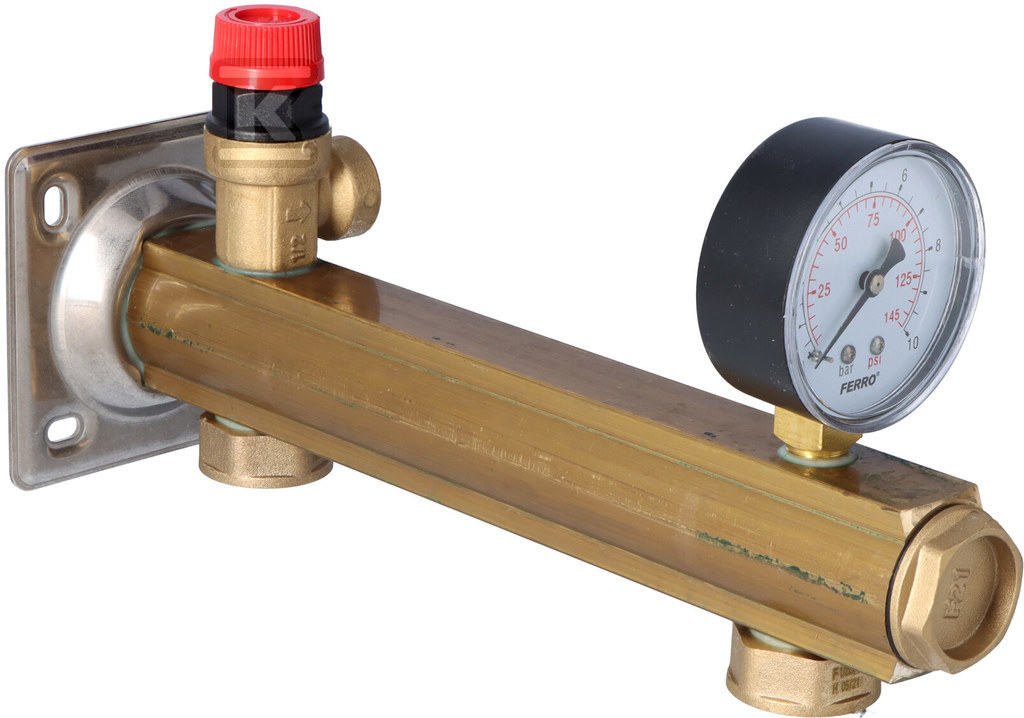 but primarily a management tool that allows for cost optimization of operation.
Digitization of documentation processes
Modern IT tools enable the maintenance of electronic operational documentation. Mobile applications for service technicians, ticket management systems, and analytical platforms significantly facilitate supervision over the technical condition of the installation.
- Electronic inspection protocols with photographs
- Automatic reminders for maintenance deadlines
- Energy consumption trend analyses
- Performance reports for management
Planning modernization and replacement of elements
Analysis of operational data allows for strategic planning of installation modernization. Instead of a reactive approach - replacing after a failure, professional management enables planned modernization of the system, taking into account the budget and work schedules of the facility.
Legal and regulatory aspects in the operation of installations
Management of heating installations in commercial buildings must take into account current legal and regulatory requirements. Regular periodic inspections, certification of devices, and compliance with health and safety regulations are inseparable elements of professional operation.
Mandatory inspections and reviews
According to applicable regulations, heating installations in commercial buildings are subject to regular inspections. The frequency and scope of inspections depend on the type of facility, the power of the installation, and the type of fuel. UDT inspections for pressure devices, chimney inspections, and energy audits are mandatory elements of the operational calendar.
For facilities with an area of over 2000 m², periodic inspections must take place at least twice a year. This is an additional argument for implementing systematic maintenance management, which allows for smooth execution of all required inspections.
Frequently asked questions about managing heating installations in companies
1. How often should the operating parameters of the heating installation in an office building be checked?
In office buildings, we recommend continuous monitoring of basic parameters and quarterly inspections of installation elements. Automatic systems should record temperature and pressure 24/7, and detailed technical inspections are conducted every 3 months by qualified technicians.
2. What are the key elements of energy management in heating systems?
The foundation is automation of control and monitoring of consumption. Weather controllers, zone controllers, programmable room controllers, and BMS systems enable energy savings of 15-30% compared to traditional manual solutions.
3. When should modernization of the heating installation in a company be considered?
Modernization should be planned after 10-15 years of operation or when repair costs exceed 40% of the value of a new installation. Indicators also include rising energy costs, frequent failures, and the inability to achieve required thermal comfort parameters.
4. What documents are required for a heating installation in a commercial facility?
The basic documents are the facility book, UDT inspection protocols, and device certificates. Additionally required are: project documentation, operation manuals, start-up protocols, chimney inspection reports, and service documents for all heating devices.
5. How to organize an effective preventive maintenance system?
It is crucial to create an inspection schedule tailored to the specifics of the facility. We recommend monthly basic checks, quarterly detailed inspections, and annual complete audits. It is also important to maintain electronic documentation and collaborate with qualified technicians.
6. Which elements of the heating installation require the most frequent inspection?
The most important are safety devices - valves, protective groups, and circulation pumps. Pressure, temperature, water level, and automation operation checks should be conducted monthly. Filters, heat exchangers, and insulation require quarterly inspections.
Professional operation as an investment in the future
Managing the operation of heating installations in a company is a comprehensive process that requires a strategic approach and the use of modern technologies. At Onninen, we offer not only high-quality devices and components but also comprehensive technical support at every stage of the heating system's operation.
Investing in professional management of heating installations brings tangible financial benefits already in the first year of operation. Reducing energy costs, decreasing failure rates, extending the lifespan of devices, and improving thermal comfort are just some of the benefits that our clients from the commercial sector appreciate.
We invite you to consult your company's needs with our technical advisors. Thanks to a wide range of modern solutions,