In the world of modern commercial buildings and industrial facilities, remote control of heating systems has become a standard that significantly impacts operational efficiency and operating costs. For B2B investors managing office buildings, warehouses, or production complexes, the ability to remotely monitor HVAC systems means not only management comfort but also measurable energy savings.
The contemporary solutions we offer in our assortment enable comprehensive management of temperature, humidity, and air quality from anywhere in the world. These systems will find application wherever precise control of environmental parameters is required while simultaneously optimizing operational costs.
Our many years of experience in the installation industry show that B2B investors are increasingly looking for solutions that combine intelligent automation with the ability to fully monitor heating installations remotely. This approach allows for proactive management of the building's technical infrastructure.

Check gas boiler accessories at Onninen warehouse
When is it worth investing in remote control of the heating system?
The decision to implement a remote control system should be made at the design stage of a new installation or during the modernization of existing heating infrastructure. Commercial facilities with an area of over 500 m² will particularly benefit from such solutions.
Multifunctional buildings and office complexes
In buildings with multiple zones of different purposes, remote control allows for individual temperature management for each area. Our team of experts particularly recommends such solutions for:
- Shopping malls with diverse user zones
- Office complexes with flexible space arrangements
- Hotels requiring precise control of guest comfort
- Logistics centers with varying temperature requirements
Industrial and warehouse facilities
In the case of production halls or high warehouses, remote control allows for the optimization of energy consumption depending on the current level of activity. Systems can automatically adjust heating intensity to actual needs, resulting in significant savings.
| Type of facility | Potential energy savings | Main benefits |
|---|---|---|
| Office buildings | 20-30% | Work schedules, zone control |
| Industrial halls | 25-35% | Adaptation to production processes |
| Warehouses | 30-40% | Optimization according to activity level |
Modern remote control solutions in Onninen's offer
In Onninen's assortment, you will find advanced control systems from leading manufacturers that perform well in the most demanding commercial applications.
Vaillant sensoCOMFORT controllers - intelligent management of systems
Among our solutions, we particularly recommend Vaillant sensoCOMFORT VRC-720 controllers, which offer comprehensive control of heating and ventilation installations. This system allows for the management of up to nine independent heating circuits simultaneously.
The key advantages of this solution are:
- myVaillant mobile app allowing full control from anywhere
- Adaptive heating curve learning the building's characteristics
- Integration with renewable energy systems
- Data security certified by VDE
Saunier Duval MiPro Sense systems - precision and reliability
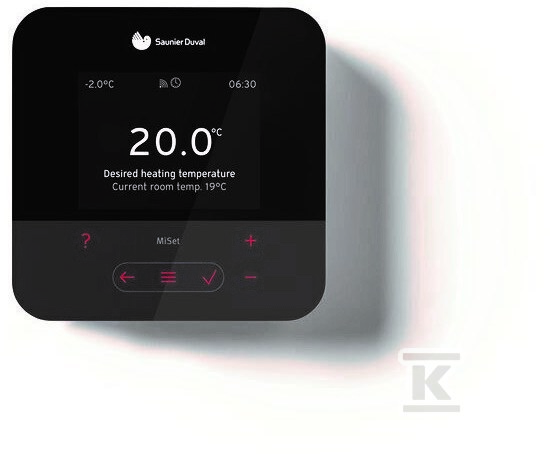
For investors looking for proven solutions, we offer remote control Saunier Duval SR-92 compatible with MiPro Sense controllers. This solution allows for precise management of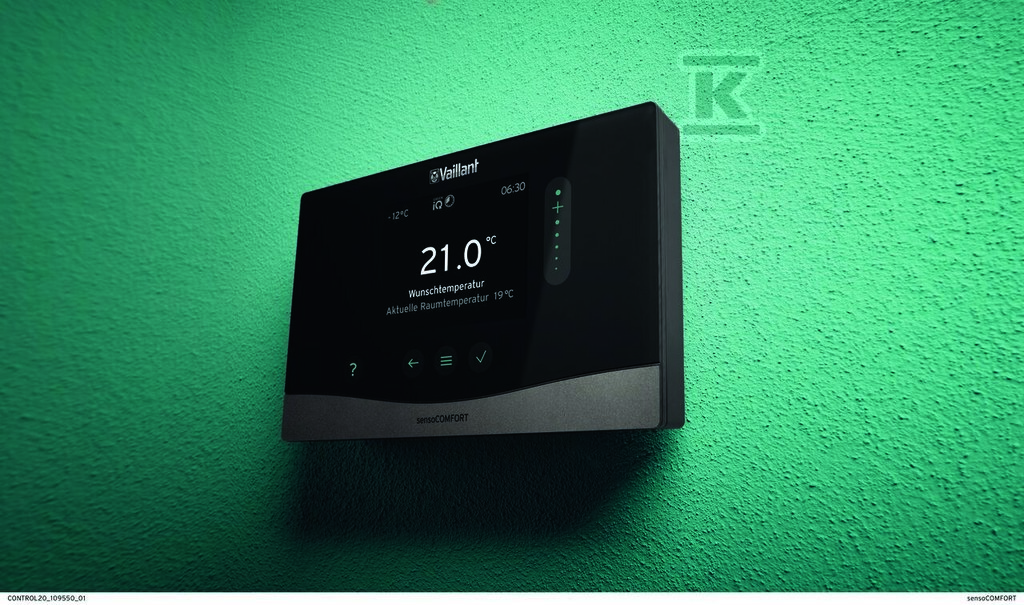 heating parameters with the possibility of weekly programming.
The system offers:
- Display with an intuitive user interface
- Weekly programming clock for optimal automation
- Ability to install up to 4 remote control units in one installation
- Compatibility with Saunier Duval boilers since 2003
How to effectively implement remote control in a commercial facility?
The process of implementing a remote control system requires a well-thought-out strategy and proper planning. From our experience, the best results are achieved by investors who approach the topic comprehensively.
Needs analysis and energy audit
The first step should be a detailed analysis of the facility's characteristics and current energy consumption. Our specialists recommend conducting an energy audit that will identify areas with the greatest potential for savings.
Choosing the right system architecture
Depending on the building's specifics, we can propose various configurations:
- Centralized systems - ideal for facilities with similar thermal requirements
- Zone systems - optimal for buildings with diverse functions
- Hybrid systems - combining different sources of heat and cooling
Integration with existing infrastructure
The modern control systems available in our offer are characterized by high compatibility with existing installations. Thanks to communication standards such as eBUS or Modbus, integration with devices from various manufacturers is possible.
Business benefits of remote control for B2B investors
Investing in intelligent control of the heating system brings measurable benefits that quickly translate into improved economic performance of the facility.
Optimization of operational costs
 Remote control systems allow for precise adjustment of the installation's operation to actual needs. The ability to program work schedules according to the building's usage hours helps avoid unnecessary energy waste.
Proactive maintenance management
Advanced diagnostic features allow for early detection of potential problems with the installation. The system automatically informs about irregularities, enabling the planning of maintenance work and minimizing the risk of failures.
Increasing property attractiveness
Buildings equipped with intelligent energy management systems are more attractive to tenants and buyers. Higher energy certificates translate into higher rental prices and property value.
| Area of benefit | Short-term effects (1-2 years) | Long-term effects (3-10 years) |
|---|---|---|
| Energy savings | Cost reduction of 20-30% | Project ROI 3-5 years |
| Maintenance costs | Planned inspections | Extended lifespan of the installation |
| Property value | Higher energy class | Increase in value by 5-15% |
Future technologies in installation control
The HVAC industry is dynamically evolving towards even more advanced solutions. As a market leader in the installation sector, we observe and implement innovative technologies that will shape the future of managing commercial buildings.
Artificial intelligence and machine learning
The next generation of control systems will utilize AI algorithms to predict the energy needs of the building. Systems will learn usage patterns and automatically optimize operating parameters without user intervention.
Integration with Smart City systems
Future solutions will be able to communicate with municipal energy networks, automatically adjusting consumption to the availability of energy from renewable sources or current energy tariffs.
Enhanced predictive features
Systems will analyze weather data, building usage schedules, and other factors to proactively adjust operating parameters even before a real need arises.
Frequently Asked Questions
1. What is the cost of implementing a remote control system in a commercial building?
The cost depends on the size of the facility and the complexity of the installation. For a typical office building with an area of 1000-2000 m², the investment ranges from 50,000 to 150,000 PLN. The system usually pays for itself within 3-5 years due to energy savings and reduced service costs.
2. Can remote control be integrated with an existing heating installation?
Yes, most modern control systems are compatible with existing installations. Products such as Vaillant sensoCOMFORT or Saunier Duval MiPro Sense use eBUS communication standards, allowing integration with devices from various manufacturers without the need to replace the entire installation.
3. How long does it take to install and configure a remote control system?
A typical installation takes 3 to 10 working days. The process includes device installation, communication configuration, schedule programming, and staff training. In the case of extensive systems, the time may extend to 2-3 weeks, but the building remains functional throughout the work period.
4. What are the IT infrastructure requirements for remote control systems?
A stable internet connection with a minimum bandwidth of 10 Mbps is required. The system also needs Wi-Fi access points in technical rooms and possibly additional communication cabling. Most systems provide data encryption and certified connection security.
5. Do remote control systems require specialized service?
Basic operation is intuitive thanks to modern user interfaces. Mobile applications offer easy access to the most important functions. Advanced configurations require training, which we provide as part of the implementation. We recommend regular service inspections every 6-12 months.
6. What additional features do modern heating control systems offer?
Systems offer real-time energy consumption monitoring, failure alerts, and efficiency reports. Advanced models allow integration with photovoltaics, management of ventilation and air conditioning, and communication with BMS systems. Geolocation features are also available, automatically adjusting the temperature to user presence.
Investing in the future of your business
Remote control of the heating system is not only a matter of comfort but a strategic business decision that affects the competitiveness and profitability of commercial properties. At Onninen, we offer comprehensive support - from selecting the right gas boiler accessories and control systems, through designing solutions, to service and technical support.
Our branches across Poland provide local service and quick delivery execution. The Onninen expert team will help you choose optimal solutions tailored to the specifics of your facility and investment budget. Professional technical advice guarantees that the selected systems will operate reliably for many years, providing maximum economic and operational benefits.
Don't wait for energy prices to rise - start optimizing the operating costs of your commercial property today. Contact our specialists to learn about the possibilities that intelligent control of the heating system offers in your specific case.