A pipe scraper for PE is an essential tool for every installer working with polyethylene in water and gas installations. At Onninen, we know from years of experience that proper preparation of the pipe surface before electrofusion welding is the key to a durable and tight connection. The scraper is used to remove the oxidized layer of polyethylene that naturally forms on the surface of PE pipes during production and storage.
Without proper scraping of the surface, the connection of the electrofusion fitting to the PE pipe may be leaky or unreliable. The oxidized layer of polyethylene creates a barrier that prevents proper bonding of the materials during the welding process. Therefore, our team of experts always emphasizes the importance of this seemingly simple but critical stage of installation work.
In our offer, you will find both manual and rotary pipe scrapers that will ensure professional preparation of the surface before the installation of electrofusion fittings for PE pipes.
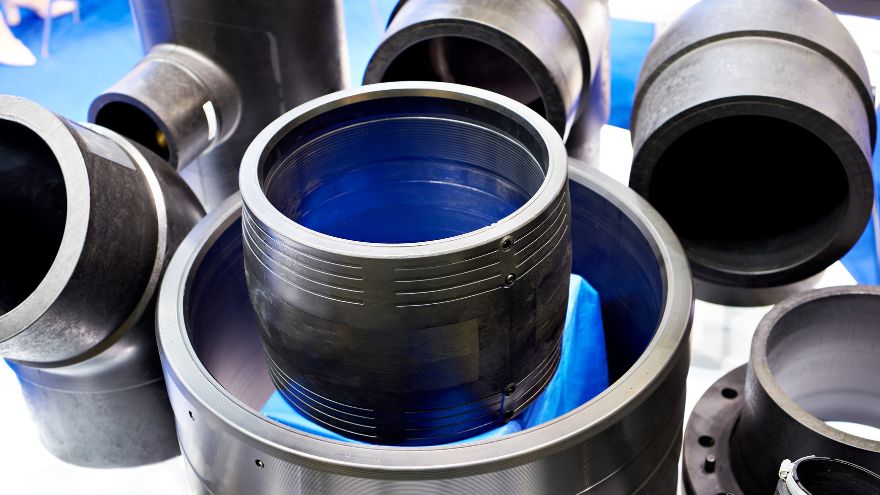
Check out pipe scrapers for PE at Onninen warehouse
Why the oxidized layer of polyethylene must be removed
Polyethylene, as an organic material, naturally oxidizes when in contact with atmospheric oxygen. This external oxidized layer has a different chemical composition than the core material and exhibits poorer adhesive properties. In practice, this means that during electrofusion welding, this layer cannot properly bond with the molten material of the fitting.
Thickness of the oxidized layer
The oxidized layer of polyethylene typically reaches about 200 micrometers in depth. This may seem small, but in the context of the precise process of electrofusion welding, this minimal thickness is crucial for the quality of the connection. Our technical team always recommends removing this layer to a depth of at least 0.2 mm in the welding zone.
Consequences of not scraping
- Leakage of the connection - the oxidized layer creates a weak point in the joint
- Premature wear - the connection may not withstand prolonged loads
- Risk of failure - particularly critical in gas installations
- Non-compliance with standards - violation of technical installation standards
How to properly use a pipe scraper for PE
The process of scraping a PE pipe before installing an electrofusion fitting requires precision and a systematic approach. As a market leader in installation, we offer both manual scrapers and advanced rotary models in our range, which significantly speed up the work.
Steps for proper scraping
| Step | Description of actions | Key aspects |
|---|---|---|
| 1 | Marking the welding zone | According to the length of the fitting overlap |
| 2 | Scraping the surface | Even removal of the oxidized layer |
| 3 | Quality check | The appearance of shavings indicates the correct depth |
| 4 | Cleaning the surface | Removal of shavings and contaminants |
In our offer, you will find WEBA manual scrapers for pipes with diameters from 15 to 37mm, which will work in most domestic and industrial installations.
Working technique with a manual scraper
The manual scraper requires a uniform rotational movement around the pipe. The work is performed in a clockwise direction, maintaining constant pressure. It is important to continuously remove the shavings that are produced during scraping, as they can interfere with further work.
Rotary scrapers - a solution for professionals
For installers performing large quantities of connections, we recommend rotary scrapers that can be powered by a cordless drill. This solution significantly speeds up the work and ensures more uniform scraping of the surface, especially for diameters above 63mm.
Types of scrapers available in Onninen's offer
Our range of PE pipe scrapers includes solutions for all installation needs - from small domestic connections to professional industrial installations.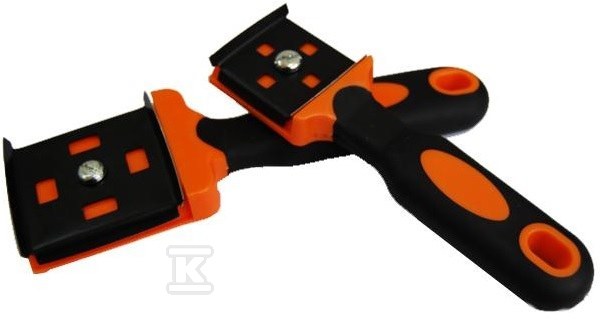
Manual scrapers
The basic tool for every installer. They feature a simple design and reliability. Available in various sizes, tailored to specific pipe diameters. The blade can be rotated, allowing the use of 4 knives, which extends the tool's lifespan.
Rotary scrapers
An advanced solution for professional applications. They can work in confined spaces and significantly reduce working time. They require the use of a cordless drill but provide precise and quick scraping even in difficult installation conditions.
Scrapers for large diameters
Specialized tools for pipes with diameters above 110mm. In our offer, you will find models for diameters up to 400mm and larger, which are essential for building water and gas mains.
The electrofusion welding process step by step
Scraping is just the first, albeit crucial, stage of the process of connecting PE pipes with electrofusion fittings. As experienced suppliers of installation systems, we present the complete process of professional assembly.
Preparation of materials and tools
Before starting work, all necessary elements must be prepared: PE pipe, electrofusion fitting, scraper, degreaser, and electrofusion welding machine. In Onninen's assortment, you will find a complete set of tools and materials for performing a professional installation.
Order of installation actions
- Cutting the pipe - perpendicular to the axis, without delaminations
- Marking the insertion depth - according to the manufacturer's instructions for the fitting
- Scraping the surface - removing the oxidized layer with a scraper
- Degreasing - with ethyl alcohol of at least 99.8%
- Installing the fitting - without touching the scraped surfaces
- Electrofusion welding - according to the parameters from the barcode
- Cooling time - without moving the elements
It is particularly important not to move the elements during the welding and cooling process. Our warehouses also have mounting clamps that help stabilize the position of the pipes during welding.
Common mistakes when scraping PE pipes
From our years of experience in the installation industry, it is clear that improper surface preparation is the most common cause of problems with electrofusion welding. We present the most frequently made mistakes and ways to avoid them.
Inaccurate scraping
Too shallow scraping leaves fragments of the oxidized layer that weaken the connection. Proper scraping should lead to the formation of shavings, which is a sign of removing the layer to the appropriate depth.
Touching the scraped surface
After scraping, the surface of the pipe is very susceptible to contamination. Avoid touching the scraped area with your fingers, as this may introduce greasy contaminants that will weaken the connection.
Using improper cleaning agents
A common mistake is using denatured alcohol instead of pure ethyl alcohol. Denatured alcohol contains additives that can leave a residue on the surface of the pipe and worsen the quality of the weld.
Too long a time between scraping and welding
The scraped surface should be welded as soon as possible after preparation. Long waiting leads to 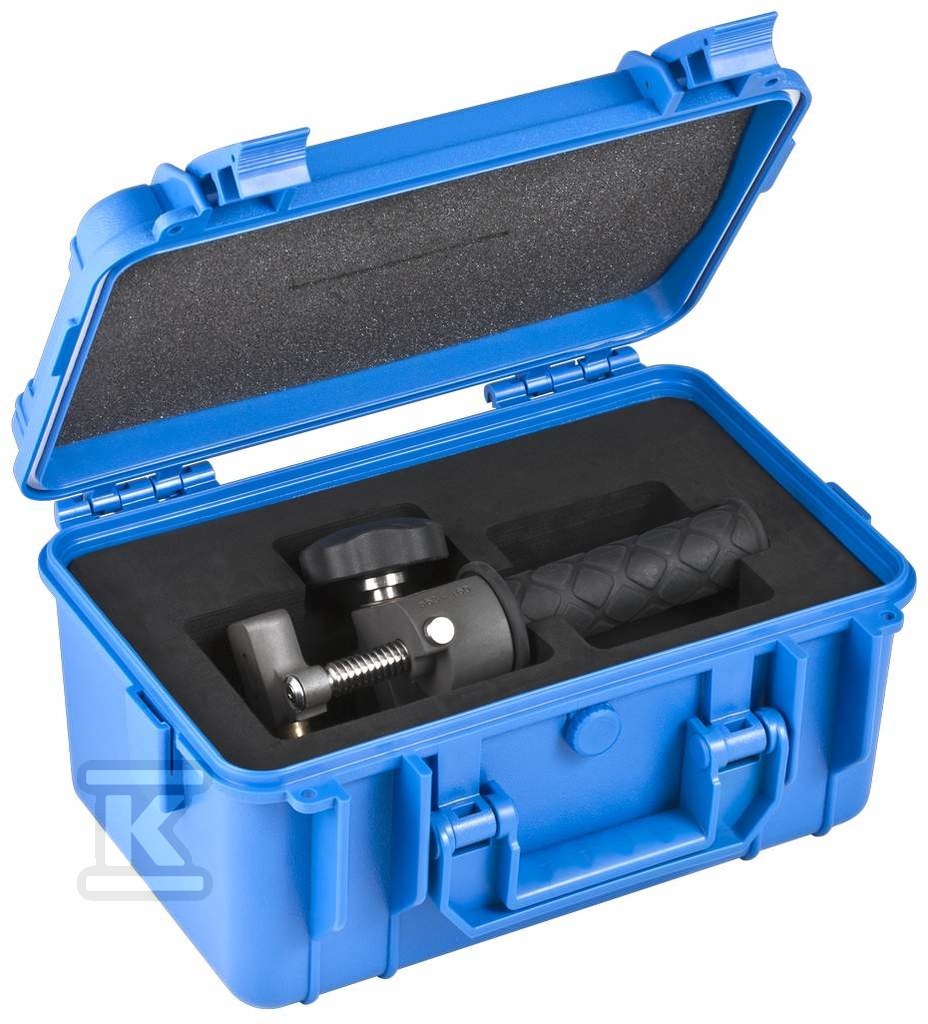 re-oxidation of the surface and the need to repeat the preparation process.
Frequently asked questions
1. Can scraping be skipped for small diameter pipes?
No, scraping is mandatory for all diameters of PE pipes. The oxidized layer forms regardless of the diameter of the pipe and must always be removed before electrofusion welding. In our offer, you will find scrapers adapted for the smallest diameters starting from 15mm.
2. How deep should the PE pipe be scraped?
The oxidized layer is about 0.2mm thick and that much should be removed. Proper scraping can be recognized by the appearance of polyethylene shavings. Scraping too deeply can weaken the structure of the pipe, so the proper technique for working with the scraper is important.
3. Is a manual scraper sufficient for pipes with a diameter of 110mm?
For diameters above 63mm, we recommend rotary scrapers. Manually scraping large diameters is time-consuming and may be less uniform. Rotary scrapers powered by a drill significantly speed up the work and ensure better quality of surface preparation.
4. What to do if the pipe was scraped too early?
The scraped surface should be cleaned again with alcohol and immediately proceed with the installation. If more than 30 minutes have passed since scraping, the surface may have re-oxidized and the process needs to be repeated. Therefore, in practice, scraping is performed just before welding.
5. What parameters do the scrapers available at Onninen have?
In our offer, you will find scrapers for diameters from 15mm to 400mm. Manual scrapers are available in sizes up to 110mm, while larger diameters are handled by rotary models. All models feature replaceable blades and a solid construction ensuring years of use.
6. Can other tools be used to remove the oxidized layer?
We do not recommend using tools not intended for this purpose. Knives or saws can leave an uneven surface or cut too deeply into the pipe. Specialized scrapers for PE pipes have appropriately shaped blades that ensure even removal of the oxidized layer without damaging the structure of the pipe.
Professional solutions for every installation
In Onninen's offer, you will find a complete range of tools and materials for performing professional installations with polyethylene pipes. Our pipe scrapers for PE and electrofusion fittings come from trusted manufacturers and meet the highest quality standards.
As a market leader in installation in Poland, we provide not only high-quality products but also professional technical advice. Our branches across the country offer training on proper installation of PE systems and full technical support at every stage of the investment.
Remember that proper use of a pipe scraper for PE is an investment in the long-term reliability of the entire installation. Saving on tools can lead to costly failures and the need to redo work. At Onninen, you will find proven solutions that ensure professional quality of execution for every polyethylene installation.
We encourage you to check out our guide to effective joining of polyethylene pipes, where you will find more practical tips on installing PE systems.