Increasingly frequent extreme weather events and tense geopolitical situations raise the likelihood of sudden power outages. To protect yourself from their effects, it is worth buying a generator and learning how to safely connect it to your home network. Regardless of whether it will be a widespread blackout or a local failure – such events can completely paralyze your home or business. Without electricity, heating, lighting, household appliances, computers, and security systems will stop working. It is no wonder that more and more people are deciding to purchase an electric generator. However, the effectiveness and safety of its operation depend not only on choosing the right model but also on properly preparing the installation. Attempting to improvise a connection of the generator during a failure can result in damage to the installation or equipment – it is therefore advisable to ensure its proper connection and protection in advance.
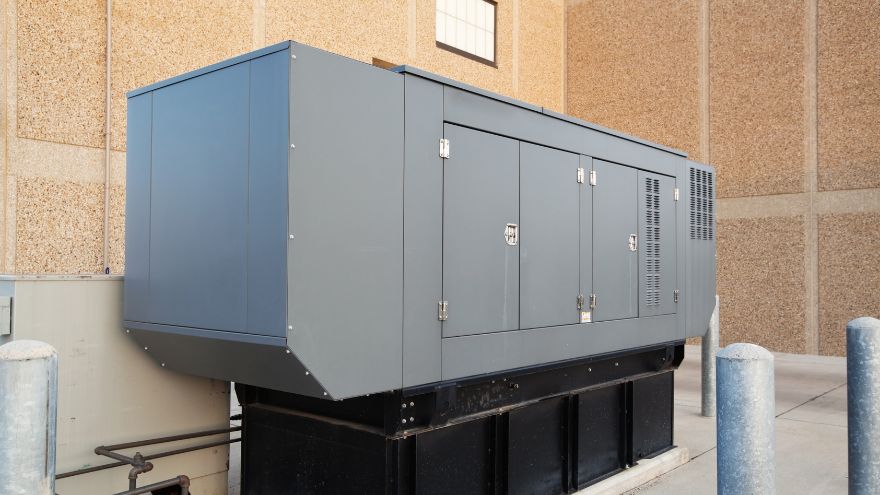
Check power generators at Onninen warehouse
Why is directly connecting a generator to the network dangerous?
The current from the generator, fed into the home network, can flow back into the public power grid, posing a deadly threat to repair crews working to fix the outage. When power supplies are restored, such action can also cause overloads in the installation, damage to electrical devices, or fire. The danger is compounded by the fact that generators produce electricity with parameters that are not always fully compliant with the voltage and frequency of the grid. Even a momentary connection can therefore result in permanent damage to electrical equipment.
How to correctly connect a generator to the home installation?
Powering a home with a generator requires proper preparation. The best solution is to install a network-generator switch (so-called power source switch). With it, you can easily and safely switch the power supply from the power grid to the generator and vice versa, and the current from the generator will not enter the public network. In larger home or business installations, an automatic transfer switch (ATS) that automatically starts the generator and disconnects the power from the grid during a failure will be a good solution.
If the generator is to power only selected devices, you can opt for dedicated connection sockets or extension cords designed for use with generators. However, be sure to remember about proper grounding and moisture protection.
You will find a comparison of the various options in the table below:
| INSTALLATION METHOD | RISK | REQUIREMENTS |
|---|---|---|
| directly to the socket | extremely high | - |
| network-generator switch | very low | should be installed by a qualified electrician |
| direct powering of devices | moderate | necessary grounding and moisture protection |
Key protections and standards for generators
When using energy from a power generator, you should adhere to applicable regulations and safety rules. Grounding the generator is essential, providing protection against electric shock in case of insulation damage. A residual current device should also be used to protect the installation from overload and surges. Additionally, you must choose an appropriate location for the device – it is best to place it in a well-ventilated area, away from moisture and flammable materials.
The power generator should comply with the PN-EN 12601 and PN-EN ISO 8528 standards, which specify safety, energy quality, and construction requirements for generators.
In conclusion, we remind you once again that directly connecting a power generator to an 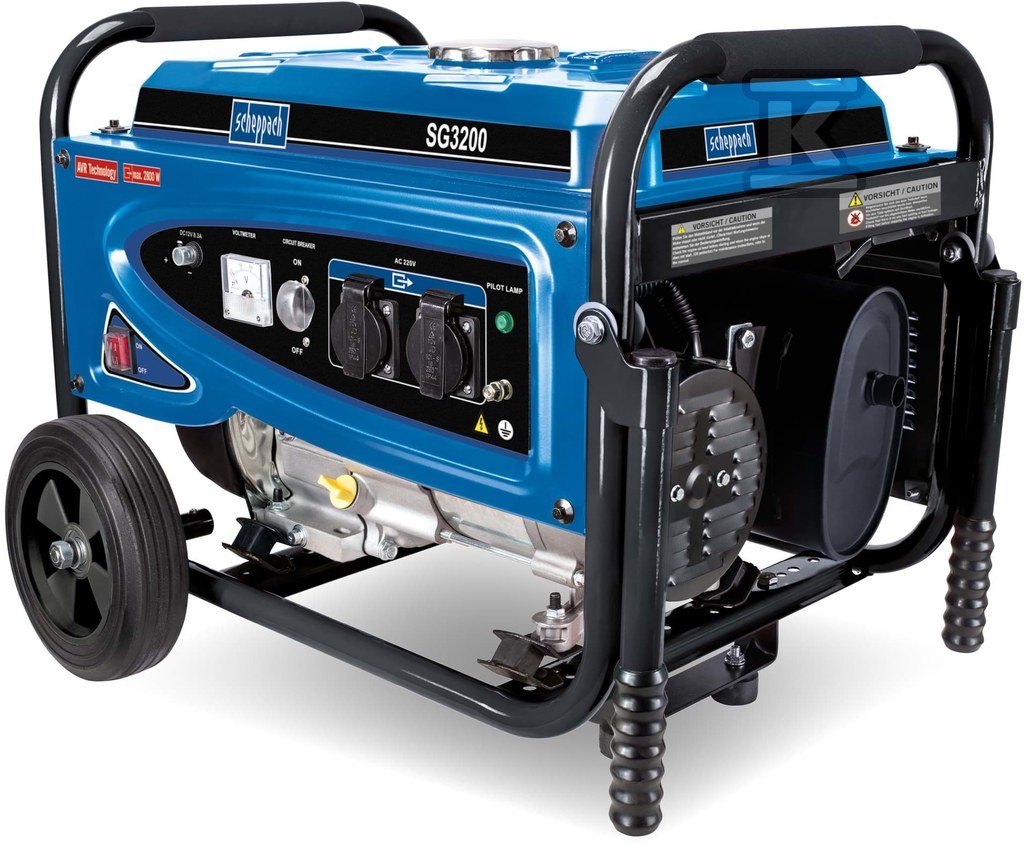 electrical socket is against regulations and, most importantly – extremely dangerous. This way, you can cause damage to the installation, fire, or electric shock. To use the generator safely and effectively, you should install a network-generator switch, ensure proper grounding, and conduct regular inspections. A properly prepared emergency power system will provide you with peace of mind and energy independence in any situation.
IN SHORT:
Why should you think about connecting a generator in advance?
You should think about connecting a generator in advance because improvised actions during a failure may be ineffective and even lead to damage to the installation or equipment.
What risks are associated with connecting a generator to a socket?
Connecting a generator directly to a socket can cause the current to flow back into the public network, posing a life-threatening risk to repair crews. Additionally, such action risks overloading the installation, damaging electrical devices, or causing a fire.
How to safely connect a power generator?
The safest solution is a network-generator switch, which allows for safe switching of power sources and prevents current from the generator from entering the public network. In larger installations, an automatic transfer switch can be used, and for powering individual devices – dedicated connection sockets with proper grounding.