Electricity is becoming increasingly expensive, which is a big burden for many people. This problem affects both households and companies. People are looking for ways to reduce these bills a little. One of the best methods is to invest in energy-saving light bulbs, whose manufacturers promise extended life and significant savings. Is this really the case? To find out, we should ask a few key questions: how much electricity does an energy-saving light bulb draw? What are the benefits of LED light bulbs? How do the costs of using an LED light bulb per hour compare to those of a traditional light bulb?
Check out the LED bulbs at the Onninen wholesaler
How much electricity does an energy-saving light bulb draw?
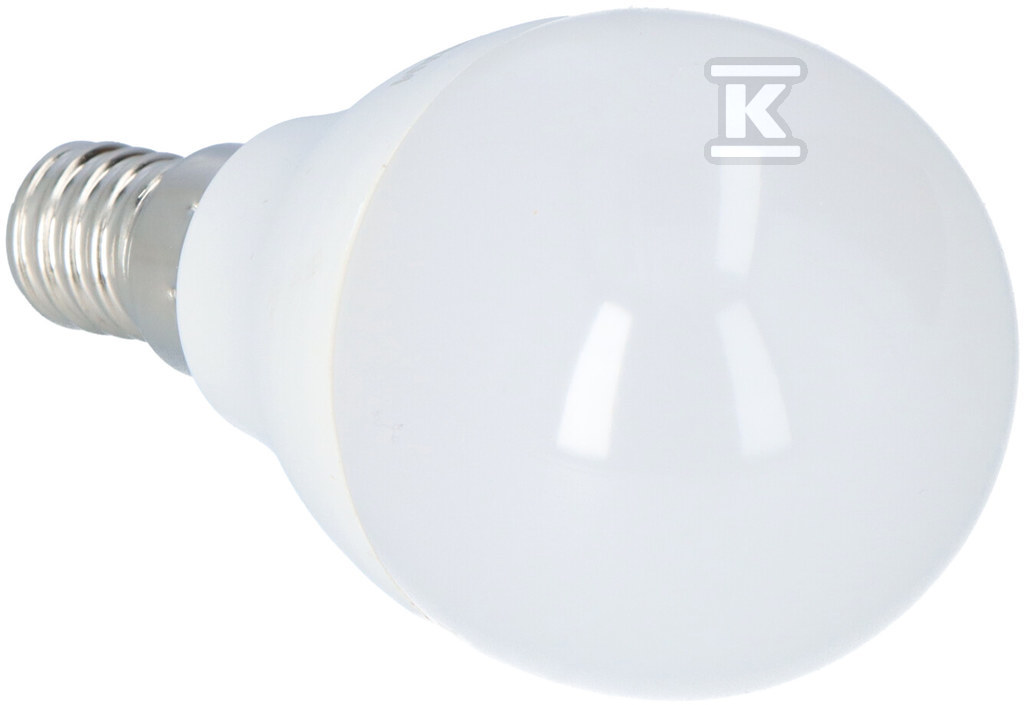 Energy-saving bulbs, including the most popular LEDs, are characterized by significantly lower power consumption compared to traditional incandescent models. The numbers can confirm this. A classic 60 W bulb uses 60 watt-hours (Wh) of energy per hour. LED lighting , on the other hand, uses much less, just 8-10 W. Despite this difference, it provides the same brightness, which is expressed in lumens. Still other bulbs - compact CFL (fluorescent) bulbs use from 13 to 15 W.
As we can see, the comparison is very good for energy-saving bulbs and very bad for traditional fluorescent bulbs. It is no coincidence that many people choose this new solution, because it can significantly reduce their bills. Let's use an example. An LED lamp operating for 5 hours a day will only use about 1.5 kWh in a month, while a traditional bulb will consume as much as 9 kWh in the same time. Considering the current energy prices, which are constantly rising, the difference in operating costs is really huge - it can amount to even several dozen zlotys per year for one bulb! This confirms the fact that investing in energy-saving light sources pays off!
Do LED bulbs reduce electricity bills?
Definitely yes, it is no coincidence that LED bulbs are considered the most energy-efficient solution available on the market. Their most important advantage is exceptionally low power consumption, which does not negatively affect the quality of the generated lighting. This remains the same!
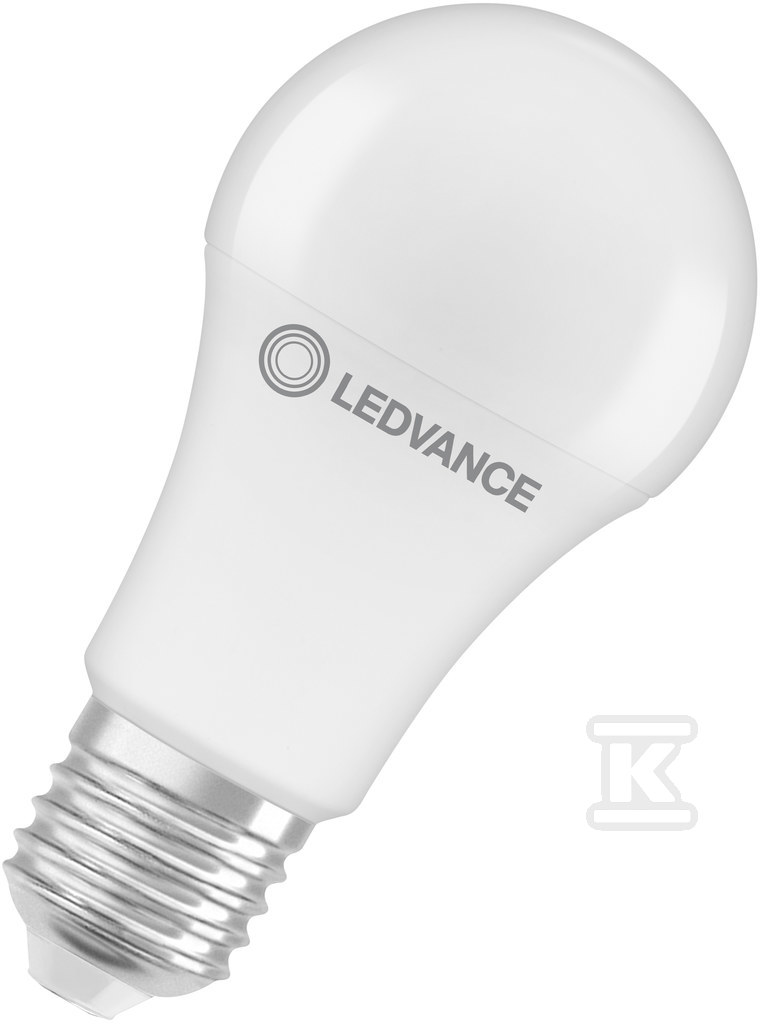 This is even more crucial when we consider that traditional bulbs convert most of their energy into heat, hence such high consumption! LEDs do it completely differently, as they use almost all of their energy to produce light. Thanks to this, they are up to 80-90% more efficient than their older counterparts.
This technology means that everyone can significantly reduce their electricity bills, thus saving their household budget at least a little. Even a simple replacement of five traditional 60 W bulbs with 10 W LEDs can bring huge benefits, reducing energy consumption for lighting from 300 W to just 50 W! And if we look at it on a yearly basis, this difference can be really significant, amounting to even several hundred zlotys (depending on how often the lighting is used).
How much does an LED bulb cost per hour compared to a traditional bulb?
As we can see, LED sources are incomparably more economical than traditional lighting solutions. We have already given a few examples, but it is time for more to better illustrate this advantage.
 This is particularly visible when you consider the cost of an hour of light per bulb. A traditional 60 W bulb consumes 0.06 kWh of energy per hour. At an average price of PLN 1 per 1 kWh, an hour of light costs 6 groszy. An energy-saving 10 W LED bulb consumes only 0.01 kWh in the same period, which is easily translated into fees - 1 grosz per hour of light!
But what is equally important - this difference becomes even more pronounced when the lighting is on for a longer period of time, for example for 5 hours a day for a whole month. A traditional solution will generate about PLN 9, while LED - only PLN 1.5. Over a year, this gives significant savings on one bulb, amounting to even PLN 90. And if there are more LEDs, the savings can reach several hundred zlotys.
This allows for a significant reduction in operating costs, but is also beneficial from the environmental perspective. LEDs are more environmentally friendly, because lower energy consumption also means reduced carbon dioxide emissions! Economy and ecology rarely go hand in hand, but this is exactly what happens here!