A clogged plumbing system is a big problem. It is therefore worth checking its condition on an ongoing basis - this will allow you to quickly detect any faults and avoid more serious damage to the installation. In the new article, we explain what indicates a clogged sewage system, what are the most common causes of this state of affairs and how to deal with it using scale removal agents.
Check out the descaling agents at the Onninen wholesaler
How do you know if your sewer system needs unclogging?
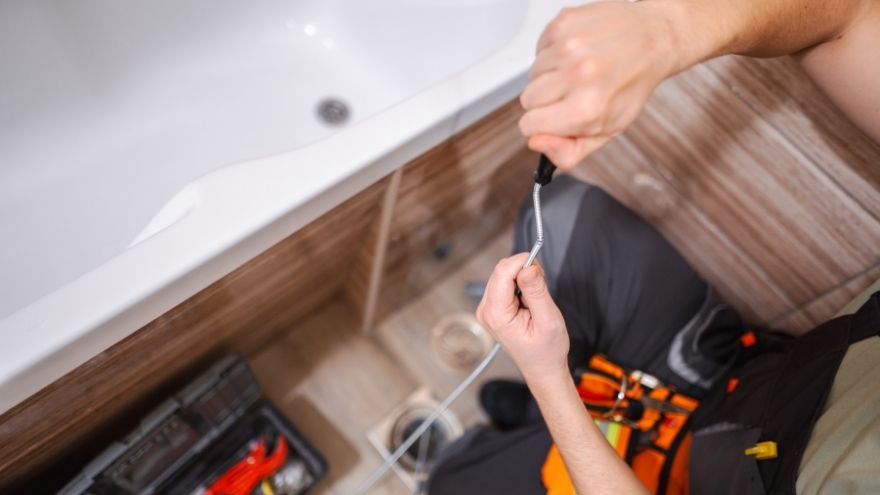
 There are many signs that your pipes may need to be unclogged. The first and easiest to notice is often a slower flow of water. If the water in your sink, washbasin or shower tray is draining slower than usual, you can take this as a sign that contaminants have accumulated in your pipes. Another common symptom of a clogged drain is unpleasant odours coming from the pipes, most often reminiscent of sulphur or foul fumes.
Another important symptom is noise coming from sewage pipes or central heating installations. Gurgling, humming or knocking may suggest that air is collecting in the sewage system, which cannot escape due to a blockage. Dampness appearing on the walls or floors near the pipes may also indicate that the pipes are clogged. It often turns out to be the result of leaks caused by a clogged sewage system. If water cannot flow properly, it collects in the wrong places and leads to damage to the pipes.
Causes of scale formation in plumbing systems
Various factors can be responsible for a blocked pipe. These include physical contamination and the accumulation of scale deposits. The main cause of the latter phenomenon is the presence of hard water in the installation. Scale deposits can also be the result of too high a temperature and the evaporation of some water. As a result, minerals are concentrated, which can precipitate from the water and settle on the inner surfaces of the pipes.
 When looking for the cause of scale formation, it is also worth paying attention to the pH of the water. Detergents or other cleaning agents are responsible for its changes. When the pH of water increases, its ability to dissolve minerals decreases, which in turn leads to their precipitation and settling in hydraulic systems.
Scale formation is often caused by the negligence of its users. Failure to systematically remove deposits will sooner or later lead to their large accumulation. This in turn increases the risk of failure of hydraulic installations. That is why it is so important to regularly use a descaler that allows for effective removal of scale deposits.
How to effectively remove scale from a central heating installation?
The use of a central heating system requires periodic cleaning. This allows you to remove scale and rust – deposits that can negatively affect the operation of the system. Descaling a central heating system should consist of several stages. The first is rinsing the radiators with water. It consists of the following steps:
- turning off the boiler and pump;
- draining water from the installation;
- closing valves;
- opening the valves on the radiator and then running water through it for a few minutes until the water runs clear;
- closing the valves after cleaning the radiator.
These steps should be repeated for each radiator. Then the radiators should be cleaned using special cleaning agents . Detailed information on how to use them can be found in the user manual. Then it is necessary to flush the installation again and protect it with a suitable agent. This will start working immediately after the installation is restarted.
How to unclog pipes with descaling agent?
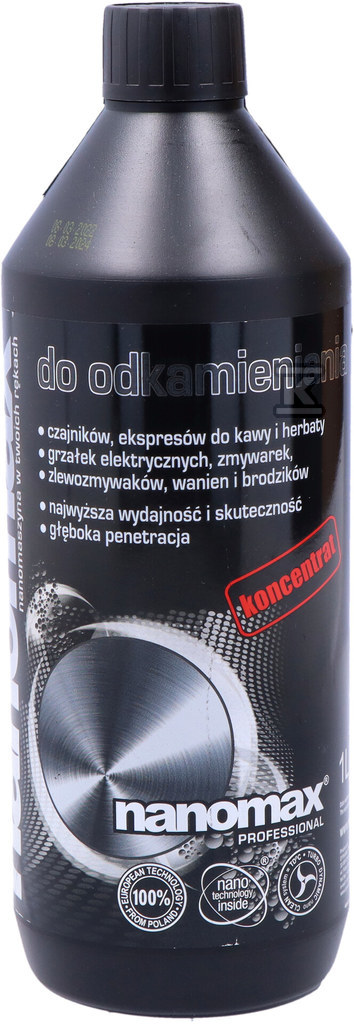
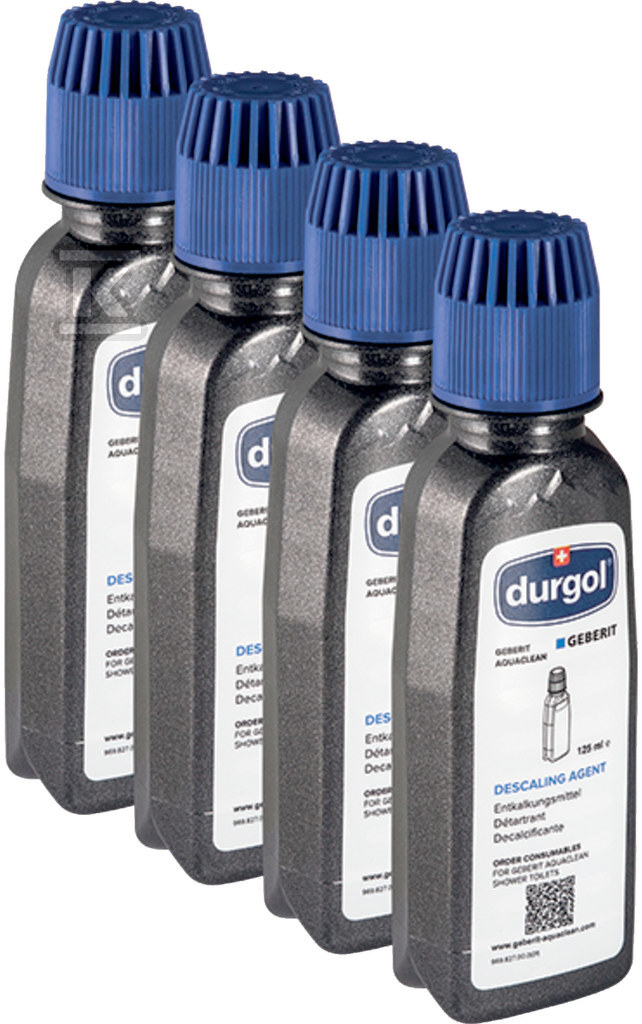
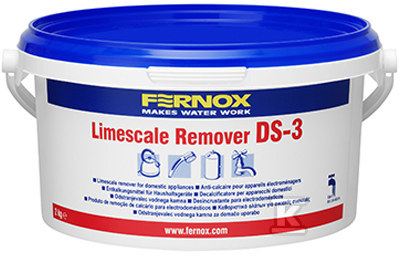 There are many limescale removal agents available on the market. They differ in composition and methods of action. The most important types are:
- chemical descaling agents – the most commonly used agents for removing scale from hydraulic system components. They trigger chemical reactions that dissolve calcium and magnesium deposits. However, some of these products may have an adverse effect on the materials from which the pipes are made. Their use should therefore be preceded by reading the manufacturer's instructions;
- biological descaling agents : use natural enzymes and bacteria to break down sediment. Although their action may be slower, they are safe for the environment and do not cause pipe corrosion. This type of agent works well as a descaling agent for drinking water pipes ;
- magnetic descalers : they work by changing the structure of calcium and magnesium ions, which prevents them from settling on the walls of the pipes. This type of descaler does not remove existing scale, but effectively prevents its formation.
It is also worth considering home, ecological methods of descaling. A mixture of white vinegar or citric acid and baking soda will work well in this role. Regardless of the method you choose, remember to regularly clean and check the level of scaling of the installation. Your efforts will not only improve the quality of water, but will also have a positive effect on the efficiency of devices connected to the installation and extend its life.