One of the important and underestimated components of a heating system, apart from all the devices installed in it, is water. The efficient functioning of heating devices depends to a large extent on its quality. Therefore, manufacturers of boilers, heaters, heat pumps, exchangers, radiators and even valves and pumps and control valves often stipulate in their operating instructions that the water in the heating system should be "appropriate" or "compliant with standards" quality. Ensuring water quality at the time of installation start-up is the task of the installer - he has the appropriate knowledge and tools. These include: water conditioners - softeners, demineralizers, chemical agents: corrosion inhibitors, biocidal preparations and antifreeze. But how long will water treatment last when the installation is started up and what happens to the heating water over time?
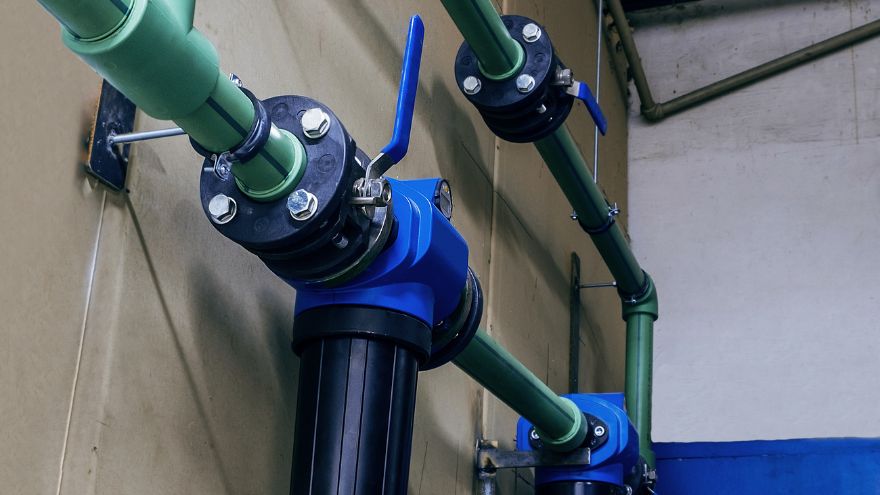
Check out filters and water conditioners for heating water at the Onninen wholesaler
What problems can occur in a contaminated heating system?
It is known that after some time, impurities appear in the water circulating in the system. If we do not get rid of them effectively, problems such as:
What contaminants appear in the central heating water cycle?
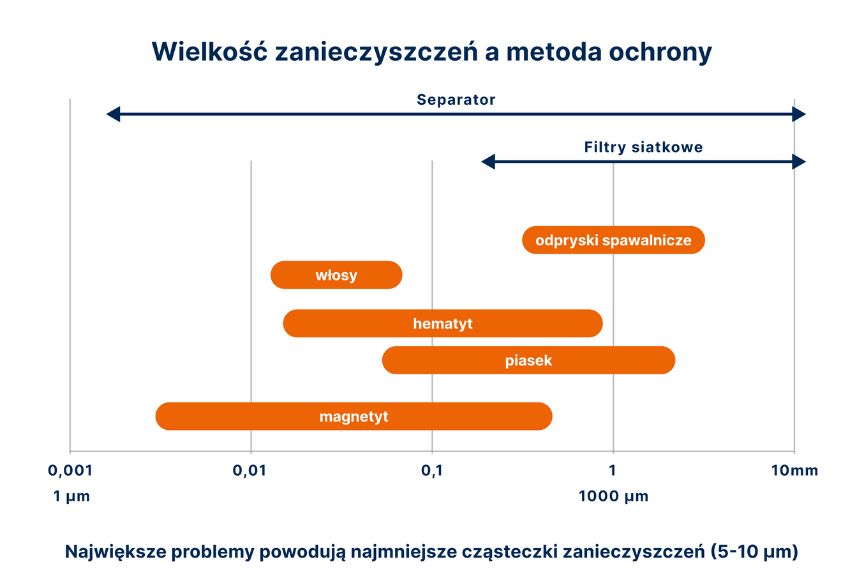
To effectively deal with contamination in the system, we need to be aware of what we are dealing with and which devices are best for removing it. Contaminants appearing in the system include corrosion products of steel elements, which settle wherever a magnetic field appears - in pumps, solenoid valves, etc. Other contaminants such as sludge, sand particles, and even organic contaminants circulate in the system and settle most often in key places in the system. The result? Excessive energy consumption and constant complaints from users regarding low efficiency, failures, and system defects.
What types of heating water filters are there?
A properly functioning heating system is not only a matter of efficiency and comfort, but also careful protection against contamination. Heating water filters play a key role in maintaining the cleanliness of the system, eliminating various contaminants, from sand and rust to other solid particles. There are different types of heating water filters available on the market, such as sediment (Y-type) and mesh filters, which differ in the way they retain contaminants. Which type of filter will be more effective?
Sediment filters (oblique, Y-type)
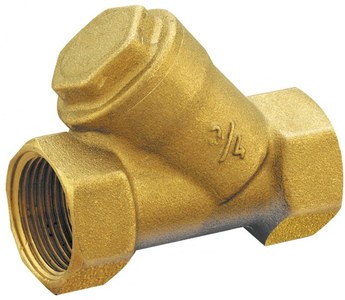 These filters are designed to retain larger solid particles, such as sand, clay, rust, tow residues, and other contaminants that may be present in water. Their operating principle is simple - water flows through a filter mesh that retains particles whose size is larger than the mesh openings. Due to the characteristic shape of the body containing a filter mesh arranged diagonally to the filter axis, they are often called diagonal filters or "Y" filters. The design of this type of filter can be supplemented with a cartridge with magnets, so we then talk about a "magnetic filter".
Mesh filters
They are similar in operation to inclined filters but have a relatively large, mesh filter insert that catches impurities. If the filter has a transparent housing, it is easier to assess the degree of filter contamination. These types of filters also have the ability to clean the filter insert without removing it from the housing and interrupting the operation of the installation. These methods are:
In flushing filters, opening the valve or drain port at the bottom of the filter vessel causes the collected dirt to flow away, and some of the dirt from the filter mesh also breaks off and flows away.
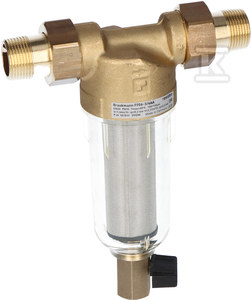 In filters with reverse flushing - the filter design allows the drain valve to be opened simultaneously and the flow in the filter to be reversed - then the water stream flowing in the opposite direction breaks off the impurities. This method is more effective than rinsing. Some filters also have a type of dirt scraper that can be used to remove dirt that is more firmly embedded in the mesh during rinsing.
After each cleaning that causes the water to drain from the circuit, the loss of liquid should be replenished. However, the filter insert can be cleaned most effectively outside the housing, by washing it with a delicate brush or in an ultrasonic cleaner. The water filter in the heating system plays a key role in maintaining the purity of the water that circulates in the system. A properly functioning filter protects heating devices from contamination and sediments, increases the efficiency and life of the heating system.
Check out filters and separators for heating water at the Onninen wholesaler
What is the difference between filters and dirt separators?
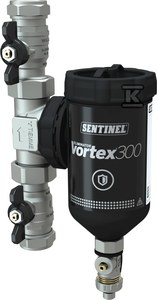
The liquid flow in the separator is slowed down by the appropriate shape of the device interior or specially designed inserts, which causes the particles to fall to the bottom of the separator, from where they can be later removed in the rinsing/cleaning process.
An additional phenomenon supporting the removal of contaminants may be the introduction of a vortex motion of the liquid (Vortex separators). The centrifugal force throws particles heavier than water out of the stream, which accelerates the process of their sedimentation.
The efficiency can also be increased by adding a magnet or magnets to the separator, placed in appropriate places inside or outside the housing, to attract and retain ferromagnetic particles, such as small metal fragments or magnetite in the form of sludge.
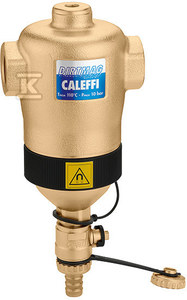 The advantage of the separator is also the lack of a dirty filter mesh, so despite the large amount of retained impurities, the flow resistance does not increase. It is obvious that a device with a larger container size can collect more impurities before they need to be cleaned. A good practice is to periodically clean filters or separators and observe the amount of impurities collected. If there are few of them, the cleaning periods can be extended.
Vortex separators with magnets are one of the most effective devices for maintaining the purity of water in the system. Magnetic filters, filters that retain solid particles and separators are particularly useful in heat pumps, because they help maintain the purity of water circulating in the system, which translates into the efficiency and durability of the device.
Can you do without mesh filters?
Despite the fact that the mesh filter has a smaller capacity for contaminants and requires more frequent cleaning, it has one undeniable advantage - it provides CERTAINTY that its mesh will not allow larger contaminants such as sand, rust particles, filings or even elements left after the installation, such as broken fragments of tools or lost washers, to pass through.
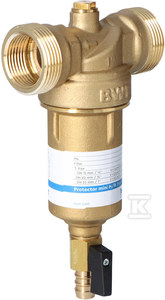 Protecting expensive devices from such unwanted "guests" getting into the pump impeller or heat exchanger compensates for the inconvenience of maintenance. To reduce the frequency of maintenance, it is best to install a mesh filter behind the separator, where it will be in contact with already purified water and occasional but dangerous impurities landing on the filter mesh will not cause it to become clogged for a longer period than if we based the entire water purification only on this small filter.
Before selecting a specific heat pump filter, it is always recommended to consult with the manufacturer or an HVAC specialist to select a filter that is appropriate for the specific requirements and characteristics of your heating system.
Filters and separators differ mainly in the way they separate contaminants from clean media and what types of media are subjected to the purification process. Both are important elements in the purification of various substances and have a variety of applications in different industries and systems.
Filters and separators in the Onninen wholesaler
In the offer of the Onninen hydraulic wholesaler we have many types of filters and separators that can be selected depending on the needs. In our portal onninen.pl they are easy to find through the search engine, or in the catalog in the sections:
- Installation Technology>Water Treatment
- Heating > Heating water filters and conditioners
- Water, sewage and gas networks > Water networks and connections>Filters