Freestanding bathtubs are becoming more and more popular in modern home and apartment designs. They are an aesthetic bathroom accessory that requires a little more space to install. In this way, household members gain a timeless look to the room, as well as the ability to comfortably bathe in a much larger amount of water. Check out the guide and find out which type of bathtub is easier to install and why.
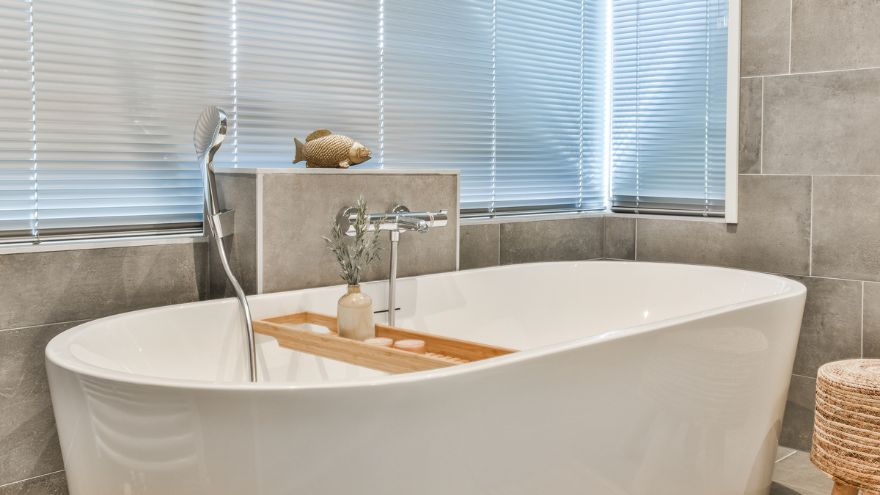
Check out freestanding bathtubs at the Onninen wholesaler
What kind of bathrooms are suitable for a freestanding bathtub?
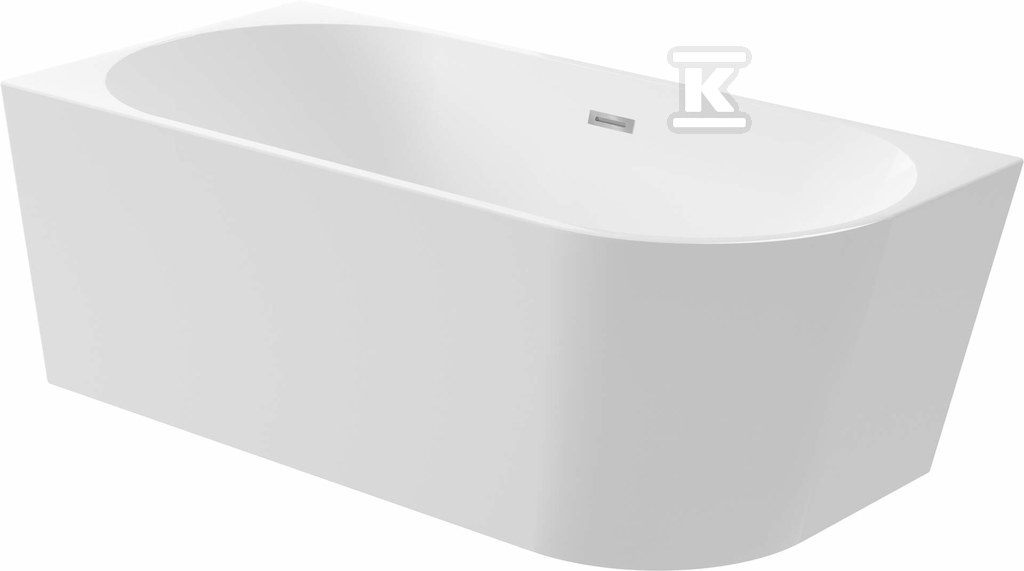 A freestanding bathtub is a solution that attracts attention and adds a unique style to the interior. It is a symbol of luxury, but its choice is not limited to large spaces. However, try to think carefully and determine what type of bathroom such a structure will work best for. In this way, you will maintain both aesthetics and functionality.
Bathrooms that are best suited for freestanding bathtubs include:
- Large bathrooms – spacious rooms allow you to showcase the bathtub as the central element of the arrangement. In such interiors, a free-standing bathtub looks most effective, especially when placed in the center.
- Minimalist bathrooms – simplicity of form and sparseness of details perfectly match modern freestanding bathtubs, which, thanks to their design, become a natural focal point.
- Bathrooms in retro or classic style – bathtub models on decorative legs perfectly emphasize the elegance of such arrangements. They are particularly suitable for interiors inspired by period design.
- Industrial bathrooms – in raw, loft interiors, a free-standing bathtub with a simple form, made of materials such as steel or cast iron, fits perfectly into the atmosphere of the space.
- Small bathrooms with a thoughtful layout – although it may seem like a challenge, a freestanding bathtub can also be used in compact interiors if you position it in a way that maximizes the functionality of the room.
Regardless of the interior style, a freestanding bathtub always gives the bathroom a unique character and emphasizes the exceptional nature of the arrangement.
Advantages and disadvantages of a freestanding bathtub
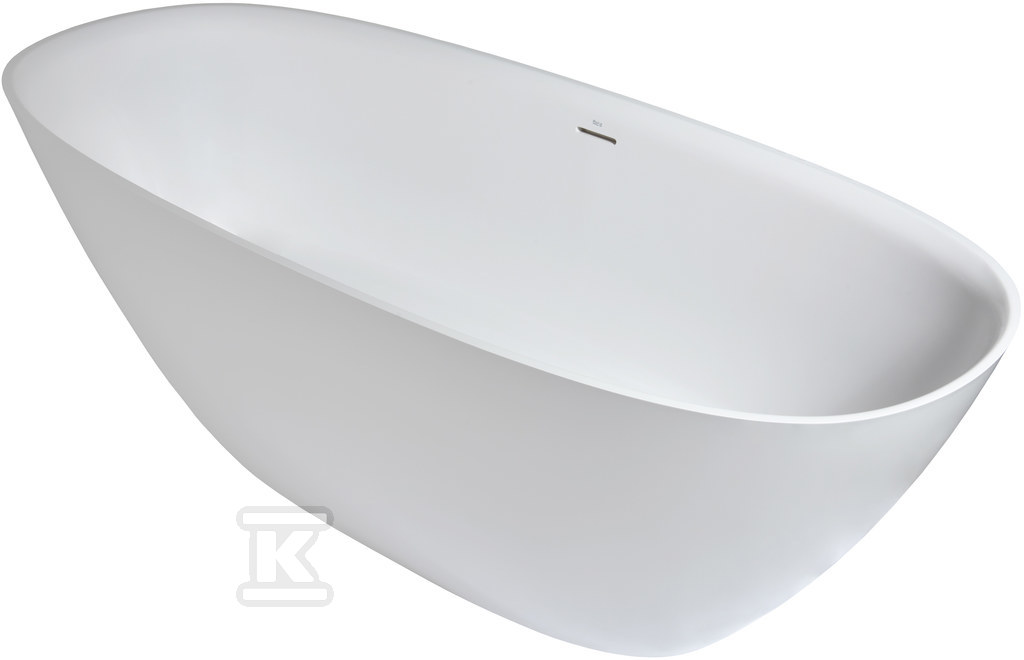 A freestanding bathtub is a stylish and practical solution that is becoming more and more common in modern bathrooms. It fits various arrangements, but it does not always work in every interior.
Advantages:
- impressive appearance – adds elegance and luxury to the interior;
- flexible positioning – it can be placed anywhere in the bathroom;
- variety of styles – available in many shapes and materials.
Defects:
- greater space requirements – needs a lot of space;
- installation cost – often higher than in the case of built-in bathtubs;
- more difficult maintenance – cleaning the area around the bathtub can be troublesome.
In what spaces will a built-in bathtub be the best solution?
This design will work well in bathrooms where practicality and space saving are important. It will work perfectly in interiors with limited space, but also for those that require maximum use of walls and corners.
So where will a built-in bathtub work best?
- Small bathrooms – allows for maximum space utilization.
- Family bathrooms – comfortable to use and easy to keep clean.
- Minimalist interiors – the ability to hide the bathtub in the built-in structure gives a neat effect.
- Bathrooms with a platform – the additional structure can have a decorative function.
Overall, asymmetrical built-in bathtubs combine functionality with aesthetics. This is a practical solution that fits into almost any bathroom design.
Advantages and disadvantages of built-in bathtubs
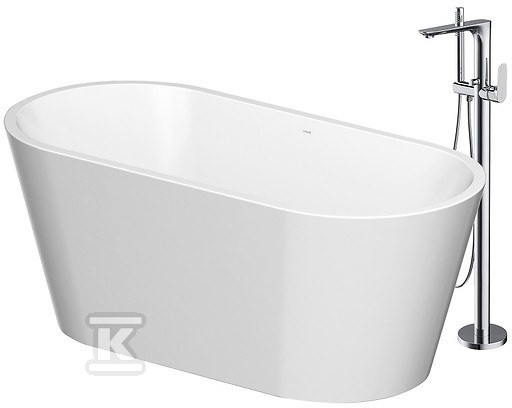 A built-in bathtub is great for longer baths in a cozy bathroom. It is also easier to keep clean. You can store cosmetics on the shelves created, and the built-in bathtub adds elegance to the entire bathroom.
So what are the advantages of a built-in bathtub? The most important are:
- functionality – allows you to aesthetically hide sewer pipes;
- easy to keep clean;
- simple assembly;
- many possibilities of adapting to the bathroom arrangement.
Of course, the bathtub enclosure has its drawbacks. Some of them are:
- additional costs related to the preparation of the structure and installation of ceramic tiles;
- lack of mobility and problems with disassembly;
- requires precise dimensioning of the room at the interior design stage.
So, a freestanding or built-in bathtub? You will answer this question only after you have carefully analyzed all the pros and cons of each solution. Choose a bathtub for your bathroom that will provide you with comfort and improve the overall aesthetics of the interior.
Remember the simple rules: a freestanding bathtub will work better in glamorous interiors, where modern elements are just a subtle accent. However, by choosing a built-in bathtub, you can easily compose it with the rest of the bathroom, and also gain practical space for storing cosmetics - of course, while maintaining a minimalist tone.