Heating domestic hot water using a heat pump unit, such as an air or ground source heat pump, is an energy-efficient solution. The energy consumption of such a heating system can generate annual costs of even a few hundred złoty, which is really not much over the course of a whole year of operation. So how do heat pumps for DHW work and how much electricity can they realistically consume? Go to our guide and discover some useful information that will help you estimate the costs of heating water in this way.
Check out air source heat pumps for DHW at Onninen
How a heat pump for domestic hot water works
A heat pump for domestic hot water operates on a similar principle to a refrigerator, but in reverse. It extracts heat from the surrounding air and transfers it to the water in the tank. Therefore, the electrical energy needed to heat the water is significantly less than in traditional water heaters.
In practice:
1. A special refrigerant circulates inside the pump.
2. It absorbs heat from the air and then, under the influence of the compressor, increases its temperature.
3. The hot refrigerant transfers energy to the heat exchanger, which heats the water in the tank.
After releasing heat, the refrigerant returns to a liquid state, and the cycle starts again – it is a closed and safe process. This allows air source heat pumps to operate efficiently all year round, even at negative outdoor temperatures.
Average electricity consumption and operating costs of the DHW heat pump, or how much does it cost?
On average, a heat pump for heating water consumes 500-1,500 kWh annually for a typical house or apartment. In the most favorable conditions, it can be less, e.g., 300-400 kWh, and in a less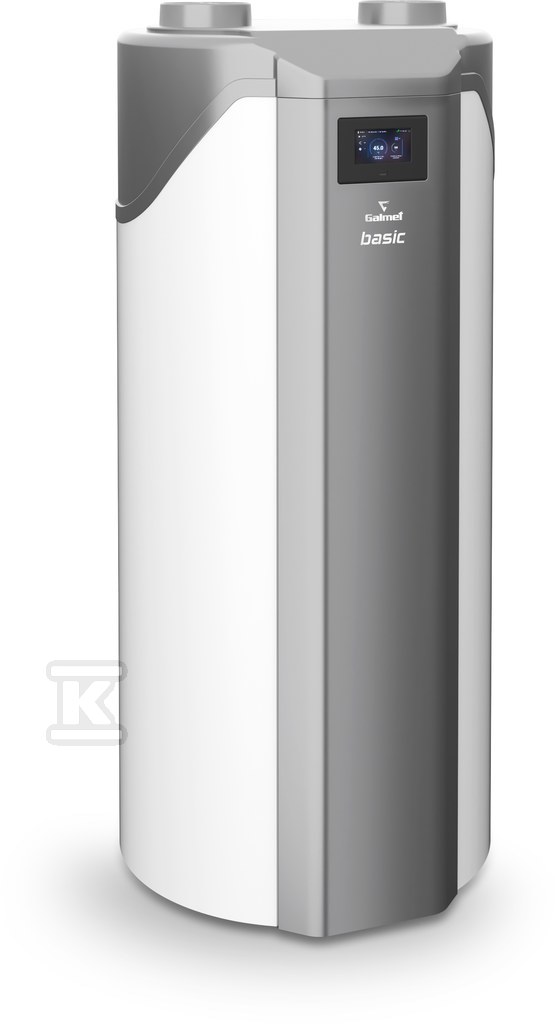 efficient system – even above 2,000 kWh.
What affects the level of electricity consumption by the DHW heat pump
- the efficiency of the device (COP / SPF);
- the temperature of the water to which it needs to be heated;
- the number of residents and the amount of water consumed;
- heat losses in the installation (pipe insulation, hydraulic resistance);
- the frequency and hours of operation of the pump (e.g., night tariffs).
In practice, heat pumps for heating domestic hot water are not highly energy-consuming, especially if they are installed in buildings where comprehensive thermal modernization has been carried out.
For example, let's assume that 1 kWh of electricity costs about 1.23 zł. So annually...
If the consumption is 800 kWh:
- 800 kWh × 1.23 zł = 984 zł/year
If the consumption is 1,500 kWh:
- 1,500 kWh × 1.23 zł = 1,845 zł/year
If the pump consumes only 300 kWh:
- 300 kWh × 1.23 zł = 369 zł/year
This means that over the course of a year, heating domestic hot water with a heat pump will generate costs of up to around 2,000 zł. These expenses can be reduced, e.g., by installing photovoltaic systems, which offer a chance for significant independence from public electricity suppliers, and greater self-consumption translates into real savings.
How to increase the efficiency of a heat pump at home? Practical tips
Both ground source heat pumps with a DHW tank and air versions can operate efficiently all year round without generating high electricity consumption costs.
The efficiency of a heat pump largely depends on the quality of installation and system settings. Even a modern device will not achieve full efficiency without optimal hydraulic configuration and proper thermal balance of the building.
To maximize the efficiency of the domestic hot water heating system with a heat pump:
- Maintain a low supply temperature in the heating circuit (e.g., 30–35°C) to improve the COP and reduce energy consumption.
- Ensure proper venting and insulation of the pipes. This minimizes heat losses in the system.
- Use a heat buffer or a tank with stratified charging to limit compressor cycling. This is a real saving on electricity bills.
Even at the stage of preparing the heat pump system, it is worth ensuring that the distance between the outdoor and indoor units is as short as possible. A shorter circuit means less heat loss and thus lower bills for consumed energy.
Did you know that...? A well-calibrated DHW heat pump system can consume even 15–20% less energy compared to devices that have not been properly configured.
Frequently asked questions about the operation of heat pumps for DHW and energy consumption
 Do you have more questions and doubts? Check out the answers to frequently asked questions and optimize the operating costs of the heat pump for heating DHW.
How to select the capacity of the DHW tank for the heat pump?
The tank should be selected so that its capacity matches the demand for water and the power of the compressor. It is assumed that the minimum capacity is 40–60 l per person. In systems with pumps over 2 kW, it is advisable to use tanks with a spiral coil with an exchange area of 1.5–2 m². A tank that is too small leads to frequent compressor cycles and reduces the durability of the device.
What flow parameters are crucial for the efficiency of the DHW pump?
The performance of the circulation pump and the flow of the working fluid must be matched to the characteristics of the heat exchanger. For most DHW pumps, the optimal flow is in the range of 1.5–2.5 m³/h. Too low a flow increases the temperature difference between the supply and return, which lowers the COP. On the other hand, excessive flow generates noise, higher energy consumption, and unnecessary load on the hydraulic system.
What installation errors most often reduce the efficiency of the DHW heat pump?
The most common problems are: lack of hydraulic coupling in mixed systems, incorrect placement of the temperature sensor in the tank, and too long refrigerant line between the units.