There are many reasons for high electricity charges. One of the most common is so-called reactive power. This is energy consumed but not converted into useful work or heat. Excess reactive power can lead not only to increased electricity costs but also to destabilization of the entire power grid. Therefore, it is compensated using specialized devices – reactive power compensators. We explain what reactive power compensators are, what types there are, and where they are most commonly used. The knowledge contained in this article will help you choose the optimal compensation solution.
Check reactive power compensators at Onninen warehouse
What is the purpose of a reactive power compensator?
Reactive power compensators are devices that ensure the neutralization of excess reactive power, which circulates between the power source and the receivers but is not converted into useful work or heat, although it is necessary for the proper operation of inductive devices. When the limit set with the energy supplier is exceeded or for each introduced var, costs for introducing reactive energy into the grid appear on the electricity bill. Therefore, specialized equipment is used for reactive power compensation, tailored to the needs of a given installation. The use of a reactive power compensator allows:
- to optimize electricity expenses,
- to improve the efficiency of cable lines and transformers,
- to increase the durability of the installation.
The compensator performs cyclic measurements of reactive power and then generates a precisely matched signal - opposite to the generated voltages. In this way, it prevents the exchange of reactive power between the user's installation and the operator's network. This device usually takes the form of a compact box and is mounted on the wall.
Types of compensators
There are two main types of reactive power compensators:
- static compensators – with a simple construction based on capacitors and coils, characterized by high efficiency and reliability, commonly used in networks with high current consumption;
- dynamic compensators – these are modern, flexible, and fast-responding devices that use synchronous generators to provide reactive power.
There are also capacitor banks used for compensating inductive reactive power and compensation chokes designed for compensating capacitive reactive power. The selection of the appropriate type of compensator requires precise measurements of energy quality and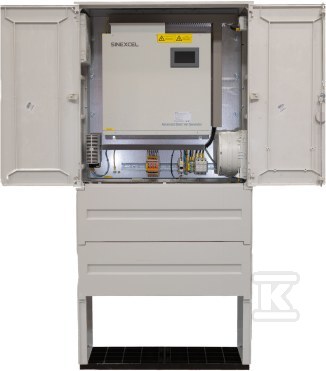 power profile using dedicated tools. It is necessary to consider the specifics of energy consumption and the requirements of the installation.
Who is the reactive power compensator dedicated to?
Reactive power compensators are mainly recommended for commercial facilities and industrial plants that may incur high contractual penalties for the transmission of this energy. Charges in this regard often account for as much as 30% of the total invoice! Excessive consumption of reactive energy is caused by, among others, industrial machines, compressors, inverters, electric motors, and heating devices. It is advisable to invest in reactive power compensation equipment when monthly charges for reactive power amount to several hundred zlotys. A compensator is a cost-effective solution for many enterprises, including small and medium-sized ones.
How to reduce reactive power?
The first step is to conduct precise measurements and analyze the power characteristics of the installation. Next, the most appropriate method of compensation should be selected for the specific case. The reactive power compensator is most often installed in the main distribution board or in close proximity to it and connected in parallel to the network.
Reactive power compensators at Onninen warehouse
All professionals in the power engineering industry are invited to familiarize themselves with the offer of Onninen warehouse. We have many advanced devices in our assortment, whose task is reactive power compensation (LV). We offer reactive power compensators in dozens of different variants, as well as capacitors, regulators, analyzers, contactors, filter chokes, active filters, and other components.
Do you need help selecting a reactive power compensator? Contact us. Onninen experts provide technical advice.
1. What is reactive power?
Reactive power is electrical energy that is not converted into useful work or heat but circulates in the circuit, generating losses and additional costs. The unit of reactive power (Q) is the var. In power engineering, the unit Mvar is commonly used.
2. What are the types of reactive power?
Reactive power is divided into inductive reactive power and capacitive reactive power. Most receivers use both types of reactive power.
3. How does a reactive power compensator work?
The compensator generates power opposite to the reactive power drawn from the grid, thereby reducing its total consumption and improving the power factor.
4. Who should use reactive power compensators?
Primarily enterprises and facilities with high electricity demand, where there are increased costs associated with reactive power, i.e., from 300-400 PLN per month upwards.
5. How to properly select a reactive power compensator?
Start with analyzing electricity consumption and monthly bills for electricity consumption, paying particular attention to charges for reactive power consumption (inductive and capacitive). Next, examine the devices connected to the network in terms of total reactive power loss and weekly operating time. The next step is to measure reactive power for the system.