A built-in bathtub is one of the most frequently used solutions that allow you to achieve an aesthetic look that is consistent with the bathroom design concept. How to properly make a bathtub enclosure and what to remember to avoid the most common mistakes?

Check out built-in bathtubs at the Onninen wholesaler
The most common mistakes when installing a built-in bathtub
Installing a built-in bathtub is not a difficult task, but it does require a lot of precision. During the work, you need to pay special attention to details, because they can lead to many problems during the use of the bathtub.
One of the most important issues is the proper leveling of the bathtub, and it is here that the most common problems occur. Even minor errors can cause problems with water drainage and its accumulation in one place.
 The second problem that often occurs is the lack of a precise seal. Silicone should be used with great precision, continuity between the bathtub, wall or casing. Leaking water can damage the floor or wall in the long run.
Before installation, the bathtub must be properly supported so that it does not bend during use. It is best to use a properly fitted mounting frame, which reduces the risk of damage to the bathtub during use.
Another problem may be drainage errors. If the installation is not connected properly, there will be problems with water drainage or leaks.
When preparing to install a bathtub, you need to pay attention to the proper execution of waterproofing, which protects the walls and floor from moisture penetration. A frame exposed to moisture for a long time can be damaged. Another big problem is the incorrect selection of materials from which the bathtub enclosure is made. Due to the prevailing conditions, it must be resistant to moisture. Otherwise, it will quickly deteriorate.
When making a bathtub enclosure, you need to remember to make an inspection. This is a place where you can easily reach the siphon and drain. These elements can be damaged and require regular maintenance, and lack of easy access in the event of a failure will result in the need to dismantle the entire enclosure.
Many mistakes are also made in connection with the finishing and installation of the structure. Most often, they lead to the tiles peeling off or cracking. Sometimes, the expansion gap is not maintained, which also leads to damage to the tile.
Fixing the bathtub to the frame
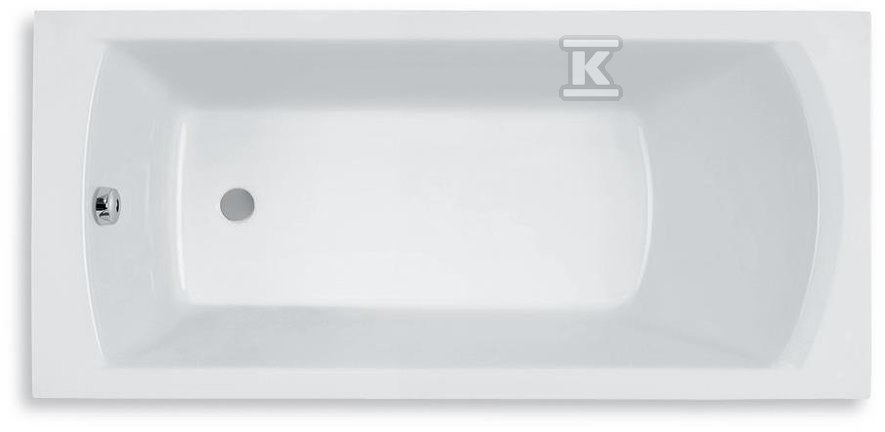 The method of installing a bathtub on a frame depends on many factors. The type of bathtub chosen is of great importance. A rectangular bathtub must be built in differently than a corner bathtub. Oval bathtubs and asymmetrical bathtubs are also very popular, and mounting them on a frame always requires careful preparation.
First, you need to start by preparing the installation site. The substrate must be level and clean. Then, you need to take care of waterproofing to avoid many problems in the future, during use. The frame must be adapted to the bathtub variant you have. There are also universal models available on the market, it is worth making sure that it will be compatible.
Preparing the frame includes:
- screwing together individual frame elements;
- placing the bathtub on a frame;
- height adjustment with precise leveling;
- wall mounting.
Great care should be taken when preparing the structure and placing the bathtub on the frame. Any mistakes made at this stage will have many consequences and problems during the use of the bathtub.
Installing a bathtub on a polystyrene carrier
The bathtub can be built on a polystyrene carrier. This solution is chosen because it can provide the structure with great stability. Additionally, polystyrene provides excellent thermal and even acoustic insulation.
Using a polystyrene carrier, the installation of the bathtub is smooth, fast and convenient. However, special precision must be maintained so as not to make mistakes at the stage of use, after the bathtub has been correctly positioned.
 The assembly work begins with the preparation of the substrate and the execution of waterproofing. The material for the polystyrene carrier must be selected for the specific type of bathtub. It is important to pay attention to the size and shape, bathtub manufacturers often indicate solutions suitable for their model.
The installation of the polystyrene carrier begins with a fitting. It is important to check whether the material adheres properly to the walls and substrate after being placed in the target location. If so, its position on the walls and substrate must be marked. To glue the polystyrene carrier, you will need the appropriate assembly glue, dedicated to polystyrene. During gluing, the carrier must be pressed evenly. Further work and the installation of the bathtub can only be performed after the glue has completely dried. This time is specified by the product manufacturer.
The next step is to mount the bathtub, which begins with fitting. The bathtub must fit snugly. The whole thing must be leveled very precisely. The siphon and drain should be connected according to the manufacturer's instructions. Attaching the bathtub to the wall requires the use of appropriate brackets, which are usually supplied by the bathtub manufacturer.
The installation of a rectangular bathtub requires sealing. The silicone must be applied with great precision. Before installing the casing, a tightness test must be carried out. Regardless of whether ready-made casings or tiles are used, which will allow the bathtub to be installed according to your own design, adapted to the bathroom arrangement.