Although winters are not as harsh as they used to be, it is still a time of year when it is cold for a long time. There is little sun and the days are much shorter than in summer, so there is no chance for the heat that sometimes appears with sunny days to have a chance to settle in for longer. Unfortunately, in winter, electricity and heating bills increase, which is painful for household budgets. Fortunately, there are ways to effectively reduce them.
You need to learn them and implement them into your daily habits. Thanks to them, we can not only reduce costs, but also take care of the environment. The most important thing is proper heating control, using energy-saving devices, as well as investing in thermal modernization. And this is what we will write about, explaining what practices are worth implementing to enjoy warmth at home without burdening your wallet!
Check out energy-saving electric heaters at the Onninen wholesaler
Best practices for controlling heating in winter
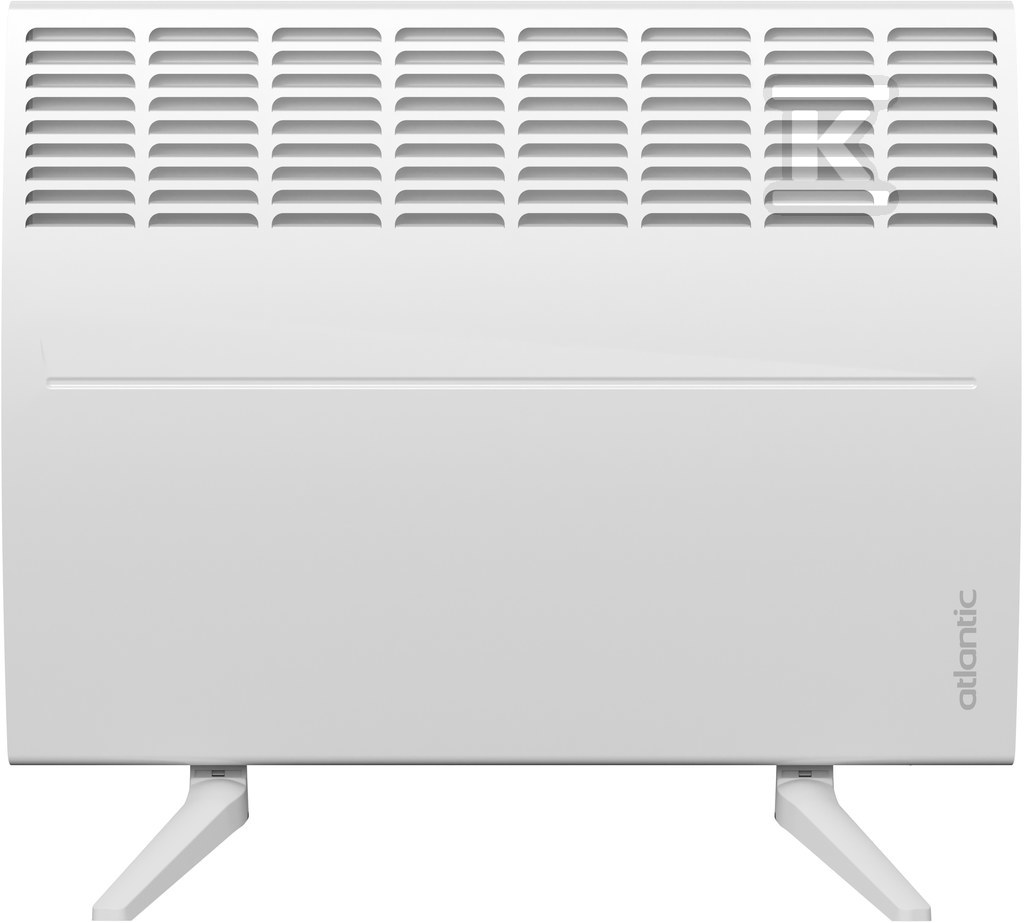 When the days are short and the nights are long, more light and heat are needed in the house to maintain a pleasant climate. However, this cannot be done without any control, because it will affect the bills. Therefore, it is necessary to effectively control the heating - this is one of the simplest methods of saving energy in winter. The key is to adjust the temperature in the rooms to current needs. During the day in heated rooms, this value should be around 20-21°C, while at night or when you are away, it can be reduced to 17-18°C. It is worth investing in an energy-saving electric heater with a built-in programmable thermostat. It automatically regulates the heating depending on the set hours.
Avoid overheating rooms, because each extra hour with a higher temperature means additional costs, especially since staying in low temperatures is healthier than in too high temperatures. Remember to regularly bleed radiators, which will ensure their efficient operation. You should also not cover them with curtains or furniture, so as not to disturb the even distribution of heat. Also, close internal doors so as not to lose heat in less used rooms. Also, take care of proper ventilation. Quick, intensive airing is more effective than leaving windows ajar for longer.
How to save on electricity in winter?
In winter, heating costs increase, as do electricity costs, because energy consumption is much higher than in the spring and summer season. However, here too, you can reduce costs and save on energy. Simple changes are enough.
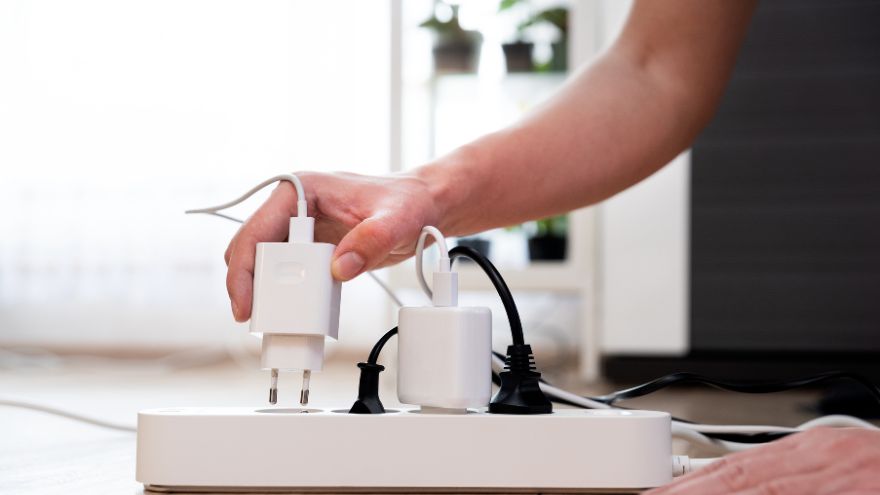
 First, let's think about how we use electrical devices. Let's turn off devices that are not currently in use. Importantly, they consume electricity even when in standby mode. It is worth replacing traditional light bulbs with energy-saving LEDs. LED lighting uses much less electricity and has a longer lifespan. Remember that household appliances such as refrigerators, dishwashers and washing machines are largely responsible for electricity consumption. Perhaps they are of an old generation, meaning they are not energy-saving in any way? In such a situation, maybe you should consider replacing them with a newer model?
Kitchen work can also be optimized. For this purpose, it is worth using lids on pots to speed up cooking. You can also think about boiling water in an electric kettle instead of on the stove. Let's turn on the washing machine and dishwasher only when their inserts are full. Let's choose programs with lower temperatures, which will help reduce energy consumption.
By placing the fridge in a cooler place and not opening it unnecessarily, we will also ensure that it works more efficiently. If we use electric heating, remember to seal windows and doors, which will reduce heat loss.
You can also think - although this is a bigger expense - about investing in renewable energy sources. The efficiency of photovoltaic panels is so high that you can gain free energy, with which you can, for example, use air conditioning (in heating mode), use its surplus for lighting or to heat water in a flow meter. There are many possibilities, which is why installing a photovoltaic system will definitely pay off.
Thermal modernization and airtight windows will help you save on bills
However, even the greatest efforts to save electricity can come to nothing or bring poor results if our home is poorly insulated. In such a situation, thermal modernization of the building may be necessary.
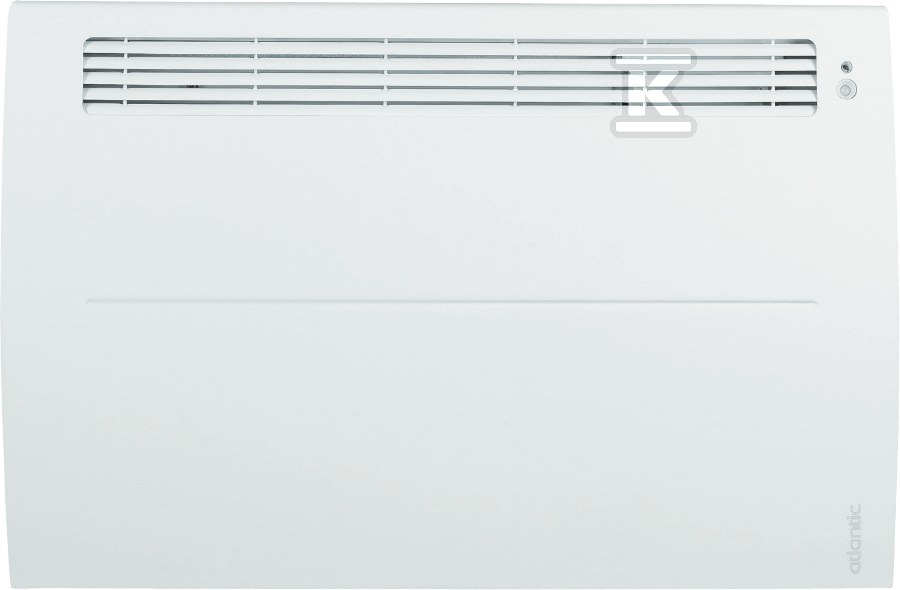 This is one of the most effective ways to reduce electricity and heating bills in winter. The most important thing is proper insulation of walls, roof and floors, which minimizes heat loss. Thanks to these actions, the energy used for heating is no longer wasted, and the rooms remain warm for longer. Maintaining such a pleasant microclimate in the house is definitely easier when the building is airtight.
Along with thermal modernization, it is a good idea to think about replacing old, leaky windows with modern ones that are characterized by a high level of energy efficiency. Triple-glazed models with appropriate seals are recommended. Such windows prevent heat from escaping on the one hand, and limit the inflow of cold air on the other. If replacing windows is not possible, self-adhesive seals can be helpful, improving insulation.
You can't forget about the entrance door either, because the use of thermal thresholds or seals on the lower edge can significantly reduce drafts. You can also think about external roller blinds or thermally insulating curtains.
In summary, as the days get colder and darker, radiators work almost constantly, as do the lights, which have to be on for most of the day. This generates high costs, which, however - as we have shown in the article - can be reduced. It is worth implementing them. Photovoltaics can provide additional support.
Check out energy-saving electric heaters at the Onninen wholesaler