The so-called bolt torque is crucial for maintaining the integrity, safety and durability of the structure. This is a commonly used concept in various industries, from machine production, through construction, to the automotive industry. Tightening bolts is, contrary to appearances, not an easy task due to the need for highly precise force dosing. Both too weak and too strong tightening of the bolt can cause serious problems. In this guide, we answer the most frequently asked questions about bolt torque.

Check out the screwdrivers at the Onninen wholesaler
What is bolt tightening torque?
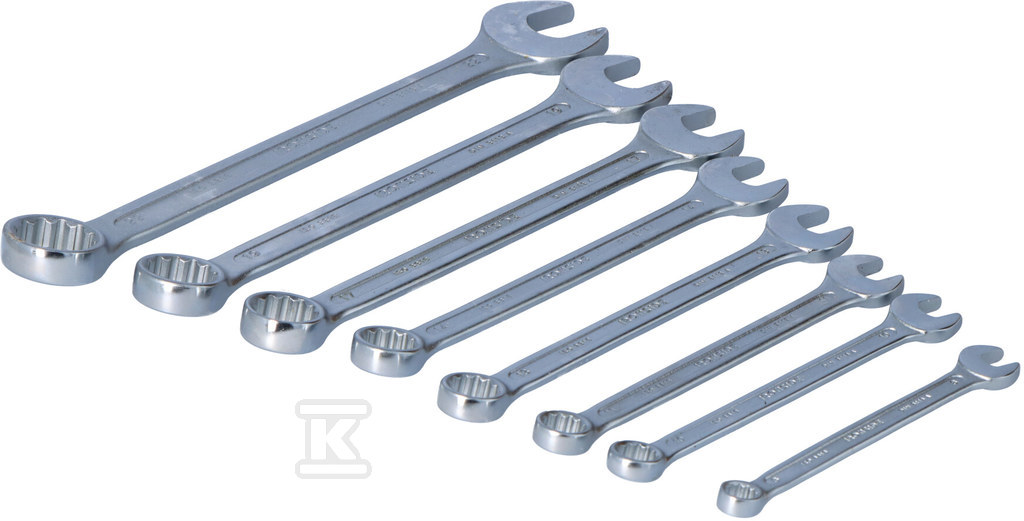 Bolt torque is the amount of force that must be exerted on a bolt or nut to effectively connect two components. Knowing the optimum values can help avoid serious errors in applications that require assembly of components. Precise adjustment of bolt torque affects:
- tightness of the structure – the risk of clearances, which cause faults, incorrect operation, corrosion and damage to the structure, is eliminated;
- proper functioning of mechanical systems - excessive bolt torque can cause stiffness, disrupting the operation of the mechanical system;
- strength of the system – the use of excessive force creates the risk of deformation, cracks and other material damage, including irreversible damage;
- ease of possible disassembly – an incorrectly selected tightening torque may block the bolt or nut, which will significantly complicate subsequent disassembly and increase the risk of damage to parts/tools;
- durability of components - excessive screw torque often causes material fatigue.
Tightening torques are expressed in [Nm].
How to properly measure bolt torque?
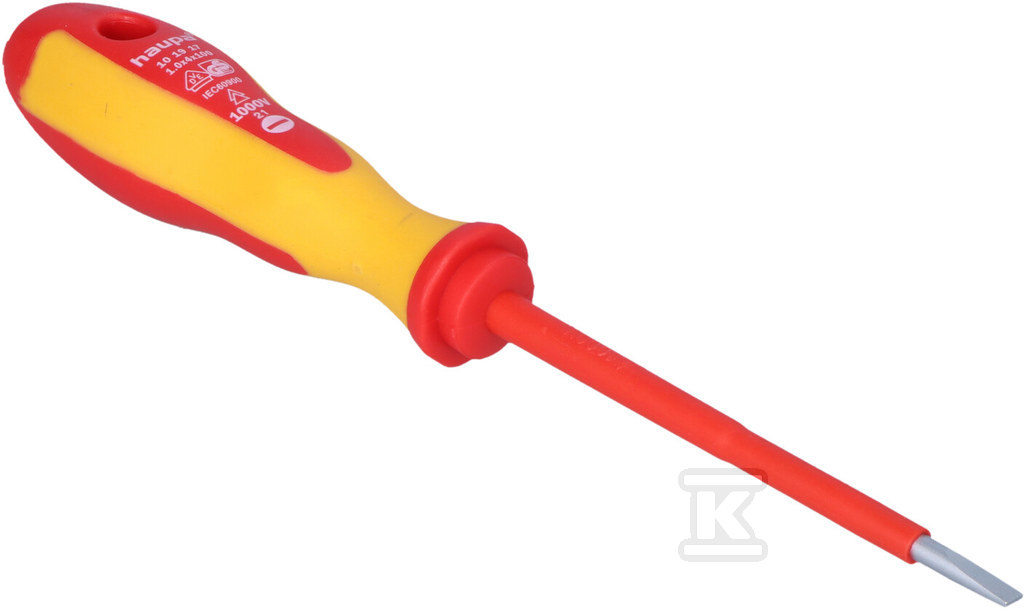 A torque wrench allows for precise setting and control of the screw torque. A torque wrench informs the user about reaching the correct torque with an audible message, vibration or light signal. It is an essential tool in the workshop of a car mechanic and DIY enthusiast.
It guarantees precise and safe work with various types of non-returnable elements. Another tool is a pneumatic wrench, which stops automatically after reaching the appropriate torque, which practically eliminates the risk of over-tightening. In addition, screws are tightened using electronic torque meters. These are technologically advanced devices. Their use ensures highly precise measurement of the screw tightening torque. The type of measuring tool should be matched to the specifics of the tasks performed and to the individual preferences of the user.
How to determine the correct tightening torque for screws?
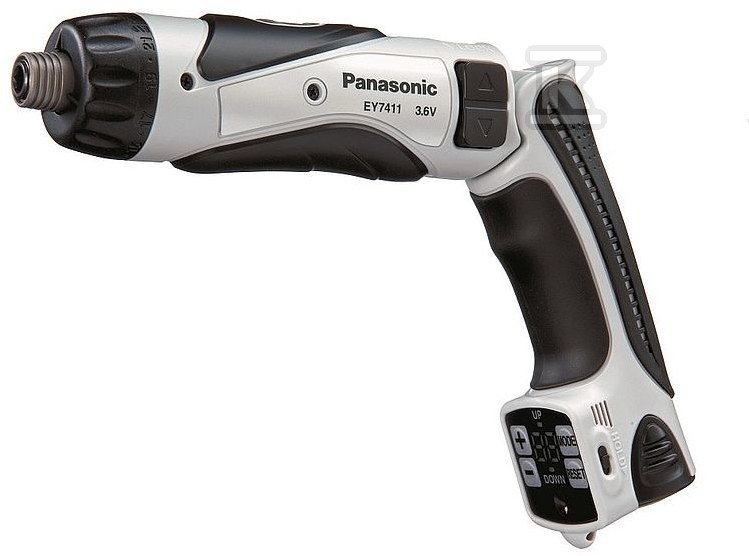 The screws available on the market, due to their different construction, differ in mechanical properties, which in turn affects the required tightening torque. To correctly determine the tightening torque of the screw, you must consider:
- screw diameter,
- strength class,
- thread type,
- jump.
Fortunately, professionals do not have to calculate the correct torque for screws every time or learn the correct values by heart. In determining the torque for screws, professionals are supported by special tables. They are widely available. You can easily find them on the Internet.
They are used daily by engineers and other specialists involved in the design and assembly of mechanical structures. Using the table, you can easily apply the correct force when tightening a screw. It should be remembered that separate tables of values apply to the tightening torques of screws and nuts with different threads. The tables provide guide values adopted for a specific friction coefficient.
Are you looking for high-quality screws, ergonomic hand tools or professional devices for setting and controlling the torque of a screw? We encourage you to familiarize yourself with the offer of the Onninen tool and construction wholesaler. In our assortment you will find, among others, screwdrivers in several hundred variants (including a complete set of screwdrivers ) and certified torque wrenches. We provide advice on choosing solutions and fast and safe shipping of orders.