The power optimizer in a photovoltaic installation acts as a stabilizer in the context of the operation of the entire installation. It is a device that prevents losses in energy production, often resulting from reasons beyond the prosumer's control. Check how optimizers work and when to use them?
Check out the power optimizers at the Onninen wholesaler
How do power optimizers work?
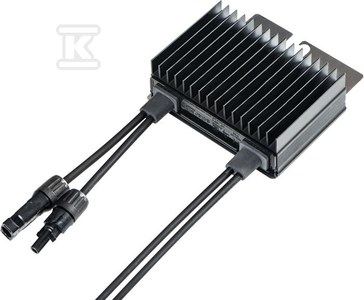 Power optimizers control the parameters of the current generated by photovoltaic modules. This is done by reducing the current-voltage mismatch in series-connected photovoltaic cell strings.
The phenomenon becomes frequent in the case of permanent shading of part of the installation or contamination of photovoltaic modules caused by falling leaves. In such cases, the optimizer forces operation at the maximum power point MPP at the level of a single cell. This is done by loading the PV panel in an optimal and even manner in order to obtain the highest possible power at the module output, in the current lighting conditions. Everything happens independently of the power of electrical energy generated by other cells in the series.
When to invest in optimizers?
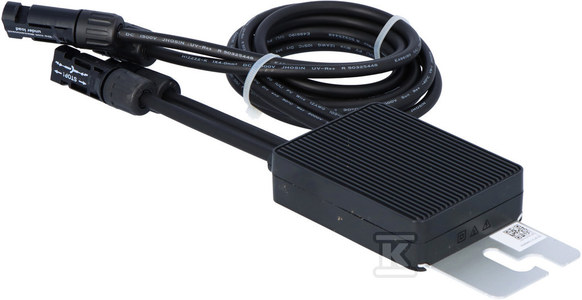 Investing in power optimizers is usually a great step for those with a photovoltaic installation . Power optimizers are electronic devices that allow you to optimize the performance and efficiency of solar panels in a photovoltaic installation
If your solar installation is exposed to uneven sunlight due to trees, buildings or other obstructions, power optimisers can help extract maximum energy from the panels in partial shade.
If solar panels are installed on different roof surfaces with different exposure to the sun, power optimizers can compensate for the differences in energy production and ensure even use of the panels. Investing in power optimizers can lead to increased electricity production, which in turn translates into greater savings on electricity bills and a shorter payback period.
Benefits of using power optimizers
The use of power optimizers in a photovoltaic installation brings a number of benefits that can positively impact efficiency, safety and energy savings.
Power optimizers allow each panel in the system to operate in optimal conditions. This significantly improves the efficiency of the entire system, even if some panels are shaded or exposed to different levels of sunlight. Power optimizers can increase the efficiency of the system by about 5-25%, depending on sunlight conditions and system configuration.
In photovoltaic systems where panels are connected in series, one poorly performing panel can reduce the efficiency of the entire system. Power optimizers help eliminate this problem by allowing each panel to operate independently of the others.
Power optimizers at Onninen wholesaler
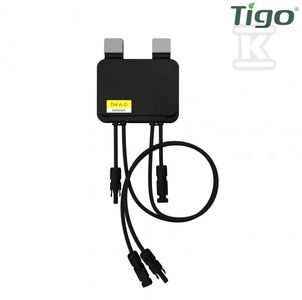 Power optimizers differ in functionality and technical parameters depending on the brand. Let's check together what to expect from the most popular devices of this type?
SolarEdge P950-4R MXM BY 950W/125V Power Optimizer
The SolarEdge P950-4R MXM BY 950 W/125 V power optimizer is characterized by an efficiency of up to 99.5%. The unique solution prevents module mismatch and limits the effects of permanent shading. The device has a function of reducing the voltage of each module during installation or in the event of a fire. The optimizer works with SolarEdge inverters and allows for the operation of two modules connected in series.
HUAWEI SUN2000-450W-P Power Optimizer
Thanks to its versatility , the HUAWEI SUN2000-450W-P power optimizer facilitates a wide selection of other installation elements. Pairing with the inverter takes place in less than 1.5 minutes. The optimizer automatically maps modules and also allows the design of longer PV strings. Compatibility with Sun2000 inverters from the M1 and M2 series.
Tigo TS4-AO 700W Power Optimizer
The Tigo TS4-AO 700 W power optimizer provides optimization of PV modules with a power of up to 700 Wp. Thanks to PIV technology (prediction of the module IV curve based on historical data), it is possible to connect modules equipped with Tigo and without Tigo, the optimizer independently selects the system impedance. Nominal power - 700 Wp.
Before a professional design and installation of a photovoltaic system is created, it is worth purchasing equipment from recognized manufacturers. This will allow the order to be carried out in a professional manner, which will certainly contribute to the development of the company and provide a basis for building brand awareness.