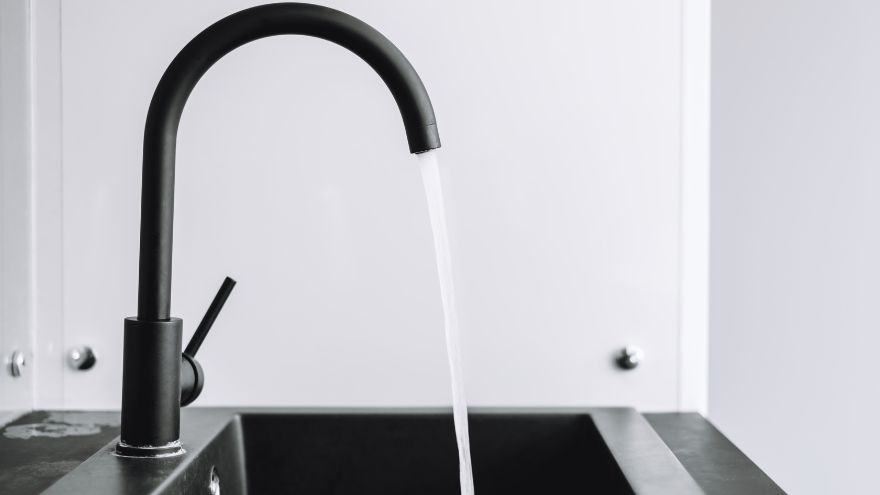
In times of high ecological awareness, more and more people are showing concern for the environment, trying to save water, among other things. One of the easiest ways to reduce water consumption is to install an aerator in kitchen and bathroom fittings. This small element of the kitchen faucet (and in the bathroom, a washbasin faucet) gives the impression of a more abundant stream. At the same time, it significantly reduces the water flow - on average by 50-60%. Learn how a kitchen faucet aerator works , how to install it inside the spout and how to keep it clean during use.
Check out the aerators at the Onninen wholesaler
What is an aerator and how does it work?
Aerator (also known as water aerator or water aerator) is a special, small attachment resembling a strainer, mounted on the end of the spout of a kitchen tap or bathroom faucet. The aerator aerates the stream, which limits the flow of water without losing the force of the flow. A vacuum is exerted on the water, as a result of which the sucked-in air mixes with the water, limiting its flow. The aeration is visible and noticeable - the stream becomes noticeably softer and more delicate to the touch and takes on a characteristic, milky shade. Much less water flows out of the spout, which is particularly important in washbasin and sink faucets, especially in the case of manual dishwashing. Installing the aerator 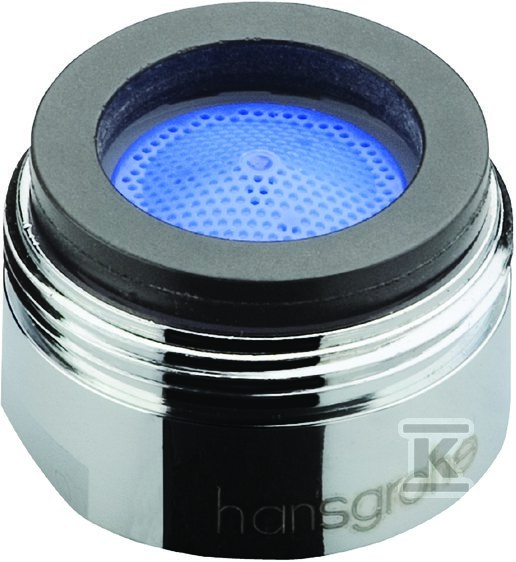 contributes to lower water bills and environmental protection. Standard aerators can reduce water consumption by about 60%, and the most advanced models - by up to 90%. Additionally, the aerator prevents water from splashing to the sides and helps increase the pressure in the installation.
How to choose an aerator for a kitchen faucet?
Modern models of sink faucets usually come with a factory-fitted aerator. If your faucet does not have an aerator, you can easily buy one. You will have to spend a few to several dozen zlotys. There are many types of aerators available on the market. Individual models differ from each other in terms of, among other things:
- assembly method
- destiny
- way of acting
- flow
- Material of manufacture
- size
Before buying an aerator, be sure to check what thread your kitchen tap has on the spout. You can choose from aerators with external threads that are screwed into the interior of the tap (more popular) and variants with internal threads that are screwed onto the spout from the outside (mostly found in older tap models). Threads vary in size. For example, the standard Mx24 thread ensures compatibility with most taps available on the market.
It is worth knowing that there are not only aerating aerators, but also those that restrict the flow of water without aerating the stream. As a result, the water flowing out takes on an interesting shape, e.g. a fine mesh or a needle-like stream.
If you want to know how much water your kitchen faucet will use after installing an aerator, check the product's technical data for its flow rate, i.e. the amount of water released per minute (e.g. 3 litres).
How to install an aerator on a kitchen faucet?
Before installation, it is worth getting a special aerator key.
– if it is not included with the faucet/aerator. The key allows you to easily and safely unscrew the old aerator and screw in the new one. You can also use a French wrench or 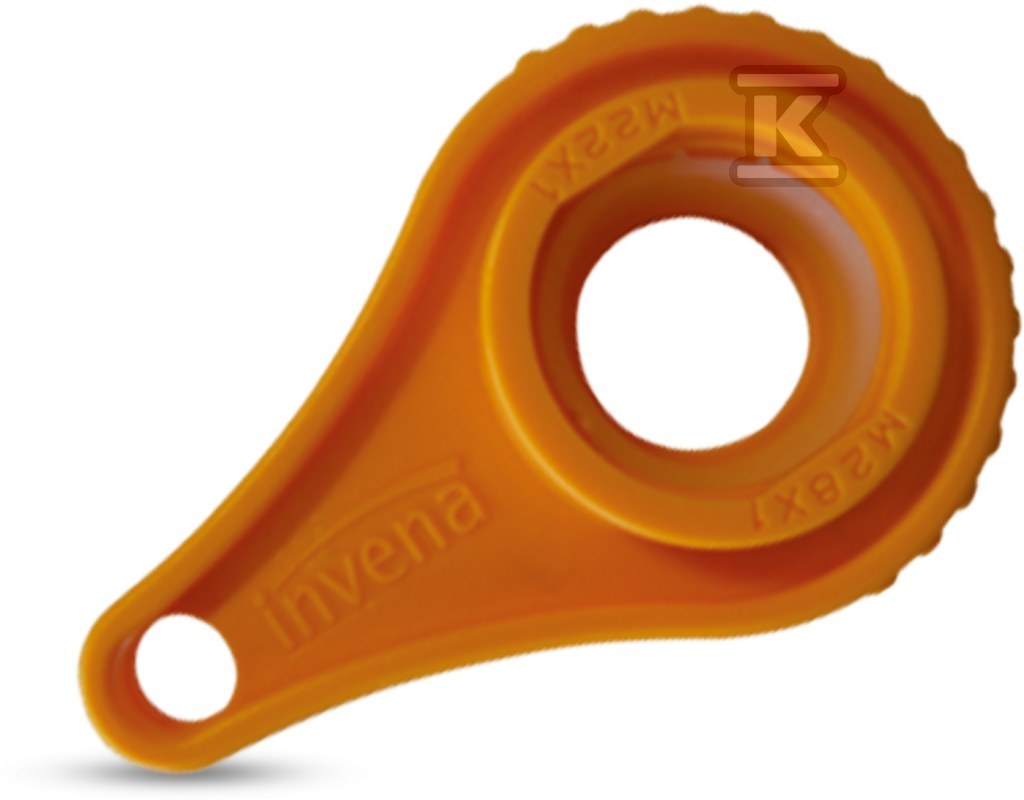 try to unscrew the aerator by hand, using rubber gloves, but it is usually screwed on too tightly. Clean the thread inside the spout. You can use a special descaling agent or regular vinegar for this purpose. Put the seal on the new aerator and screw it to the spout (of course without the old aerator). Be careful not to move the seal. Finally, gently tighten the aerator with a key. Done!
Cleaning and maintenance of the aerator in a kitchen faucet
Aerators are shaped like a sieve, hence their tendency to collect dirt. Over time, they can become clogged (mainly with scale), which restricts the flow of water. To prevent this, the aerator should be cleaned regularly. Unscrew the aerator using a French wrench or a dedicated wrench. Disassemble the element to get to the sieve. You will see that it is not difficult. Use a brush or toothbrush to clean the sieve. You can also soak the sieve in vinegar for about 15 minutes or in a special descaling agent to remove scale. Clean the inside of the spout. Rinse the elements thoroughly, assemble the aerator and screw it to the spout. Test the tap. Water should flow out in a fast, even stream.
It is worth knowing that the material from which the aerator is made affects the ease and frequency of cleaning. Metal aerators are most susceptible to scale build-up. Plastic and silicone models are easy to keep clean.
Summary
Choosing the right aerator for your kitchen faucet and cleaning it regularly are key to economical and comfortable use of the sink area. Both installing and maintaining the aerator clean should not be a problem for you.
We invite you to familiarize yourself with the assortment of the Onninen plumbing wholesaler. In our offer you will find a wide range of aerators for kitchen faucets and keys for their installation.