During construction or general renovation, most of the wiring can be cleverly hidden in the walls. However, as the building is used, the number of electrical devices and wires increases. It is hard to imagine that with each new TV or other device you have to remove the plaster… To prevent cables and wires from lying tangled on the floor or sticking out from behind furniture, it is worth hiding them properly. Concealing cables on the wall is not only a matter of aesthetics and convenience, but also safety. Learn how to effectively conceal cables using proven tricks, accessories and tools - without invasive renovations
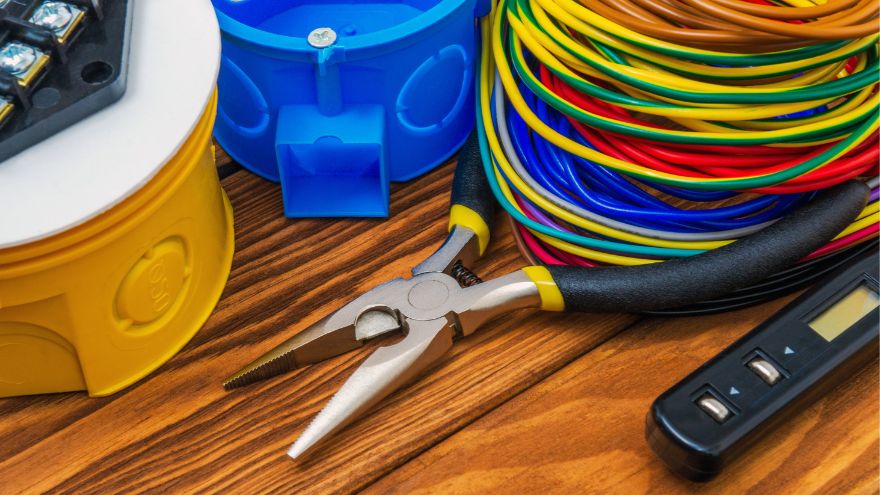
Check cables and wires at the Onninen wholesaler
Concealing cables on the wall – is it necessary?
Cables hanging loosely behind devices or winding across the floor definitely take away from the charm and functionality of interiors. They collect dust, make it difficult for cleaning robots to work and pose a threat to the safety of household members. Cables tend to attract the attention of small children and pets... Concealing cables makes it easier to keep the room tidy, improves the aesthetics of the interior and minimizes the risk of dangerous incidents. This is essential in houses and apartments intended for sale or rent. Neatly and solidly run installations can have a significant impact on the value and attractiveness of the property.
Cover strips - a classic method of covering wires
Covering strips (covers) are perfect for hiding cables on the wall. These elements are made of various materials, mainly plastics, and are available in various colors, lengths, and widths. Covers allow you to quickly hide cables without having to interfere with the wall structure. Their wide selection supports consistent integration of elements into the interior design. Importantly, covers can be painted, so you can easily adapt them to the arrangement. If you want completely non-invasive installation, choose a self-adhesive cover strip.
Cable ducts – masking larger quantities or thicker cables
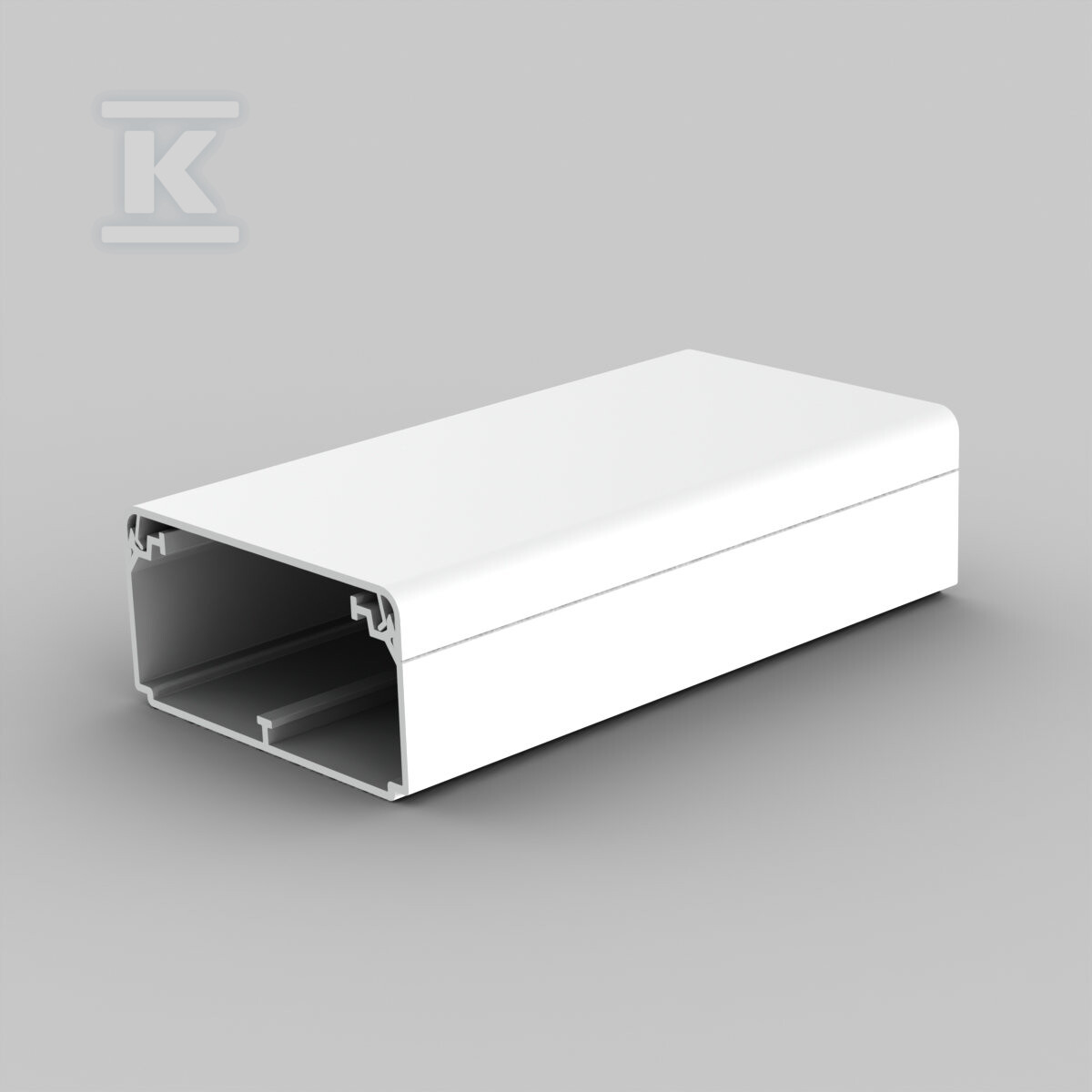
Cable ducts are used to route electrical installations in buildings that are being built and are currently in use. As a rule, they have larger dimensions and cross-sections than strips, which allows for a larger number of cables or large diameter wires to be placed in a common cover. Special internal partitions prevent cables from tangling. Removable covers provide easy access to the wiring. Cable ducts are mainly made of plastic and metal. They can be painted in any colour to fit well into the interior design. We recommend, for example, the EKD 80x40 Kopos electrical installation channel . Its design is ideal for routing larger cables or for covering various wires and allows for the insertion of a partition.
It is worth knowing that the terms electrical cable trunking and ducts are often used interchangeably (as synonyms).
Hiding cables behind furniture and decorations – the simplest solution
If installation work is not your cup of tea, use furniture and accessories to hide cables. Try to run cables behind cabinets, shelves, beds or sofas. When looking for an RTV cabinet, choose a model with a special hole through which you can run cables to hide them inside the furniture. Use special organizers that allow you to tie together all the cables connected to a given electronic device, such as a computer or TV. Combining many cables into one compact bundle solves the problem of tangled, loosely hanging cables. Cables running along the walls are great for hiding... potted plants with tall leaves. It is worth placing electrical devices in such places that their distance from the sockets is as short as possible. This will allow you to avoid using extension cords and hiding the wiring will be much easier, or even completely unnecessary.
Tools needed to mask wires
In order for the work related to masking wires in existing buildings to proceed smoothly and for the final effect to be in line with expectations, it is worth stocking up on a few basic tools and accessories. A screwdriver or power drill will come in handy for installing strips and channels. To precisely mark the line of running cables, you need a spirit level. If the strips need to be cut, it is worth having a sharp knife on hand. If you intend to paint the strips or channels, stock up on appropriate paints and brushes.
Summary
Concealing cables on the wall in already inhabited buildings does not have to be difficult or expensive. With clever tricks, functional accessories and the right tools, you can quickly and effectively hide cables, which will undoubtedly translate into higher functionality, safety and attractiveness of the space.
In the Onninen electrical wholesaler, professionals and individual customers can find a wide range of accessories for protecting and masking electrical wires and cables in newly constructed and already inhabited buildings. Among other things, we offer metal cable support systems and electrical installation cable strips and channels. Our solutions help build durable and aesthetic cable routes . In case of questions, our specialist advisors provide technical and sales support.