The basis of a solid and efficiently functioning water installation is currently PE (polyethylene) pipes. Their simple and effective connection, also in the case of extensive systems, is ensured by various types of electrofusion fittings. Among them, electrofusion sleeves occupy an important place. Learn about the most important advantages of using this type of fittings and learn how electrofusion welding of PE pipes with the use of sleeves is carried out.
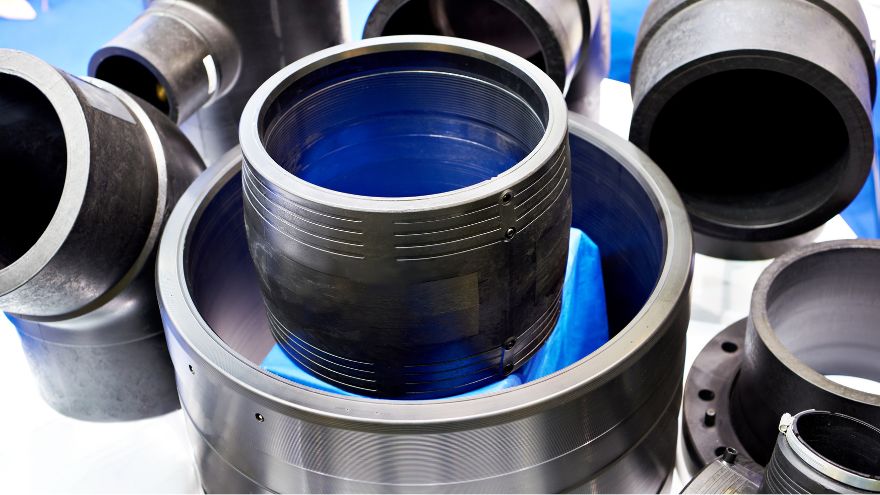
Check out the electrofusion couplings at the Onninen wholesaler
Advantages of using electrofusion joints
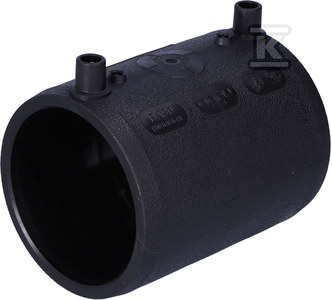
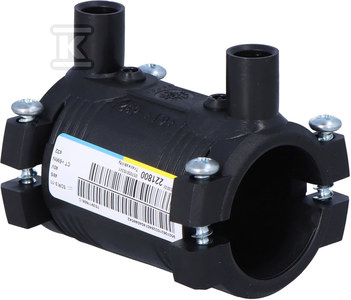 The electrofusion sleeve enables easy and solid connection of two parts of the installation. Thanks to its polyethylene (PE) construction, this element is characterized by excellent durability. Polyethylene is a material highly resistant to mechanical and chemical damage and the effects of low temperatures, and at the same time thermoplastic.
The PE sleeve can operate in aggressive environments, where pipelines are exposed to acids, alkalis, salts, frost, etc. Thermoplasticity enables welding of the element. A wide range of available sleeve dimensions and diameters facilitates the implementation of the most complex and unusual water networks. A system built from PE pipes and fittings is distinguished by its durability, tightness, plasticity and high level of hygiene. It is important that the sleeves selected for the project ensure even heat distribution.
Electrofusion welding of pipes with sleeves
Electrofusion welding is a simple and consequently very popular method of connecting PE pipes. In order to make permanent connections and minimize the risk of installation failure, the electrofusion welding process requires the use of special fittings and taking care of special environmental conditions. The temperature at the welding point is of great importance and should be between -5oC and 45oC. In the case of using a welder in a workshop, this condition is usually met. However, it must be remembered that welding work often has to be carried out in the field in unfavorable weather conditions. In such a case, a protective tent is set up and a blower is used to heat the air.
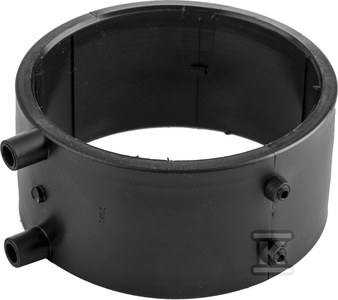
The electrofusion sleeve has heating elements that allow you to connect one pipe to another. To make the connection in this way, you need an electrofusion welder, placed on a stable surface (do not place the tool on the ground!). Work should begin with the appropriate preparation of the pipes. They must be thoroughly cleaned, dried and properly cut. The cutting is done at a right angle, i.e. perpendicular to the axis of the elements. The next step is to remove the layer of oxidized polyethylene to a thickness of max. 0.2 mm. For this purpose, it is worth using a hand scraper and a special degreasing tissue. Finally, the pipes and sleeves should be immobilized using clamps. This will prevent the elements from moving. Ready? You can start the actual electrofusion welding.
 The main function of welders is to transmit voltage to fittings, which – due to the melting of polymers – connect with pipes. An automated, practical, maintenance-free device helps to perform the weld correctly. Setting the right parameters for the process increasingly often comes down to scanning a unique barcode using a scanner attached to the welder. The code and other information, including diameter, type, welding and cooling time, are located on a label attached to the fitting. A message about the end of work will appear on the device's display. Then, disconnect the cables.
Electrofusion joints in the Onninen wholesaler
In the Onninen online wholesaler you can order reliable electrofusion couplings from trusted manufacturers and suppliers. They are designed for easy welding and manufactured in accordance with key standards. We also offer other types of fittings for PE pipes used in water supply networks and connections.
Check out the electrofusion couplings at the Onninen wholesaler