A construction switchboard (so-called eRBetka) is a type of electrical switchboard used in temporary installations, which are very often used on construction sites or during various outdoor events, providing an ad hoc power connection. Do you need to connect electrical devices on a construction site? Learn how to choose the right construction switchboard.
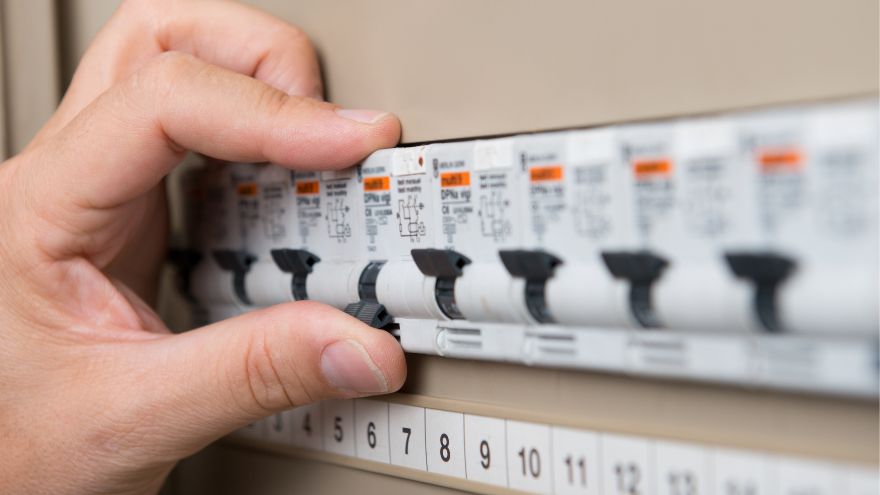
Check out the construction switchboards at the Onninen wholesaler
Application of building switchboard
The building switchboard is a type of electrical switchboard. It is usually equipped with standard 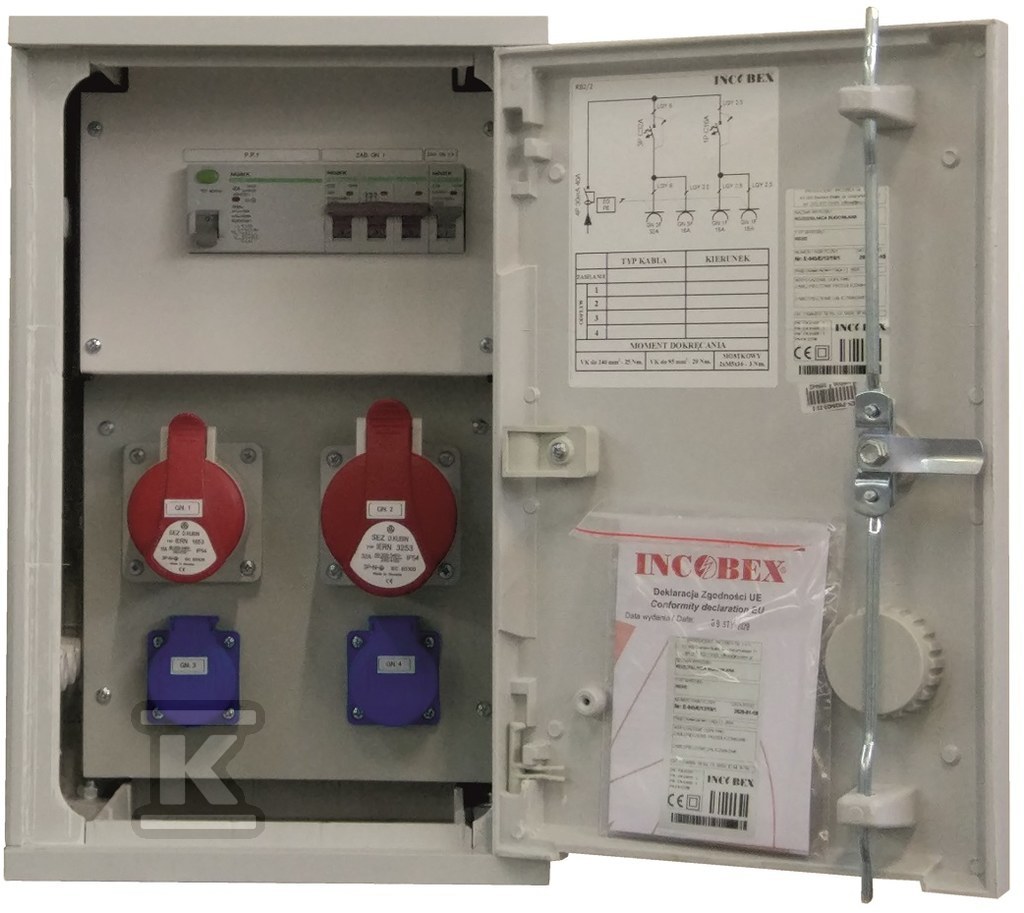 230V sockets and three-phase (power) 400V sockets and a set of safety equipment, consisting of overcurrent circuit breakers, differential circuit breakers and surge arresters. It has two basic functions.
· It is used to build a temporary electrical network , enabling the supply of electricity to a wide range of electrical machines and devices used on construction sites.
· Protects temporary electrical installations and devices connected to them against voltage surges,
short circuits and other hazards. And it is worth bearing in mind that temporary systems are more susceptible to various types of failures than permanent installations due to the large number of connected electrical devices, including highly energy-intensive ones. Additionally, it can reduce the risk of electric shock as a result of direct or indirect contact.
Building switchboards can also perform optional functions depending on the additional solutions used in them, e.g. they provide measurement of electricity consumption or enable independent management of individual systems.
Types of building switchboards
Commercially available construction switchboards differ in terms of:
- construction
- method/place of installation
- equipment
- sizes
- dust and water resistance
Due to their size, electrical switchboards are often divided into:
- mobile switchboards – compact and lightweight, free-standing, easy to carry, with a small amount of equipment, suitable for less demanding construction and renovation works, e.g. when building single-family houses;
- stationary switchboards - much larger, attached to various elements ( building switchboard on a pole , building switchboard on a facade ), used in extensive temporary electrical networks, e.g. during the construction of development investments.
Criteria for selecting a building switchboard
The selection of the type and equipment of a construction switchboard depends on the specifics of the construction investment and the individual needs of users. Construction switchboards can be equipped with various types of sockets, protections or meters. For example, on construction sites, where more subcontractors work, switchboards with electricity meters are often used, which allows for individual measurements of electricity consumption. On the other hand, the functionality of the construction switchboard depends on the type and number of sockets. The most versatile are models equipped with both 230V sockets and 400V power sockets with independent fuses and switches. Often, a construction switchboard has a medium-sensitivity differential switch (from 30 to 500 mA). The equipment of a construction switchboard must include a main switch, and preferably also switches for individual sockets. A useful additional element is a lock that prevents unauthorized access to the installation.
The materials used for production and the waterproofness and dustproofness of the structure are of great importance for the reliability and safety of construction switchboards. Thermoset housings are primarily designed for use in difficult environmental conditions, including construction sites. They are characterized by increased durability and high resistance to mechanical damage and external factors, such as moisture, UV radiation and extreme temperatures. The IP protection level is the key information about the tightness of the housing. Construction sites usually use construction switchboards with an IP44, IP65 or IP67 coefficient - depending on the level of exposure to water and dust. The higher the IP value, the more effective the protection. The minimum tightness level of construction switchboards used in the European Union is IP44. Water can pour in streams from any side onto a housing constructed in this way.
A very important criterion for choosing a construction switchboard is its compliance with standards, 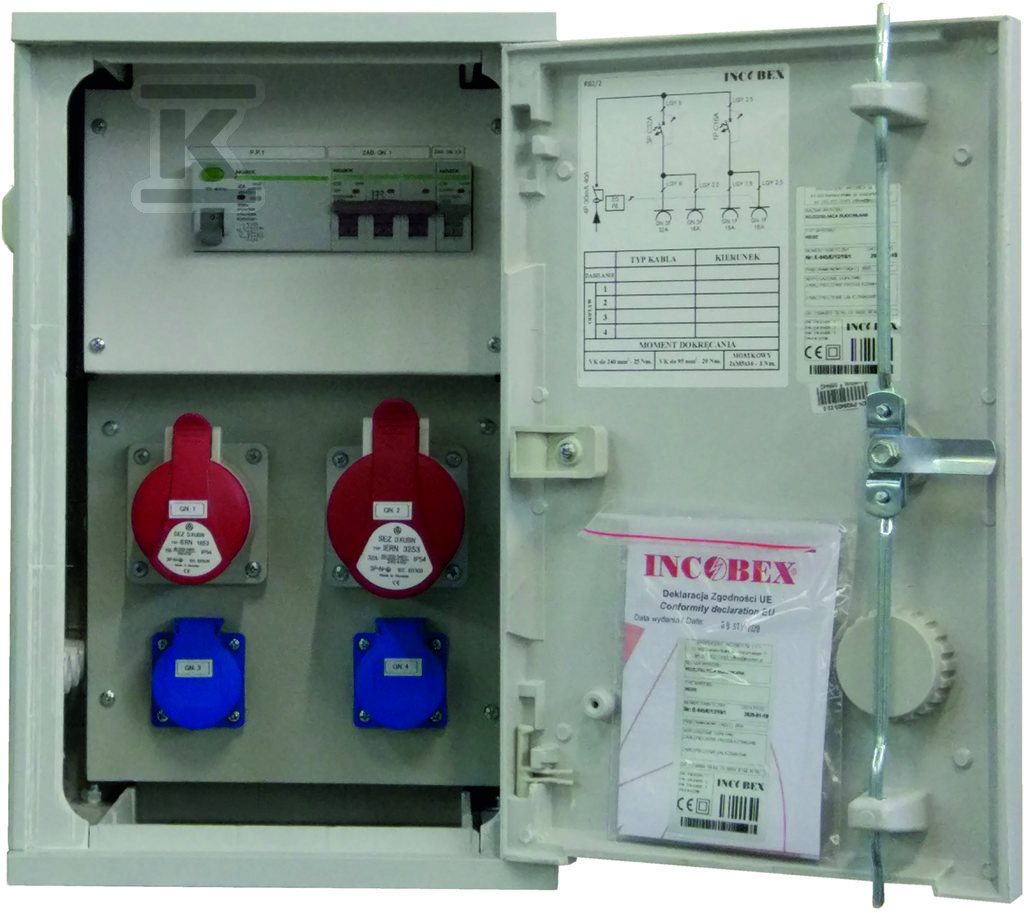 in particular with the PE-EN 61439-4 standard, which specifies, among other things, the requirements that must be met by switchboards used on construction sites. It is also worth verifying the requirements regarding tightness, impact resistance and construction solutions. They are found in the standards: PN-EN 60529, PN-EN 62262 and PN-EN 62208, respectively.
We encourage professionals from the electrical, energy, electrical engineering and construction industries to familiarize themselves with the offer of the Onninen wholesaler. In our assortment you will find high-quality construction switchboards Incobex - a recognized Polish manufacturer of low-voltage (LV) electrical switchboards and thermosetting enclosures. Onninen specialists provide technical support in selecting solutions that meet individual requirements and industry standards.
Check out the construction switchboards at the Onninen wholesaler