Pipe connections require appropriate sealing materials to be as durable and reliable as possible. Installers have a choice of traditional flax tow and Teflon tape. Which works better in water installations? Opinions are divided, so to organize knowledge on this topic, we have prepared the following article!
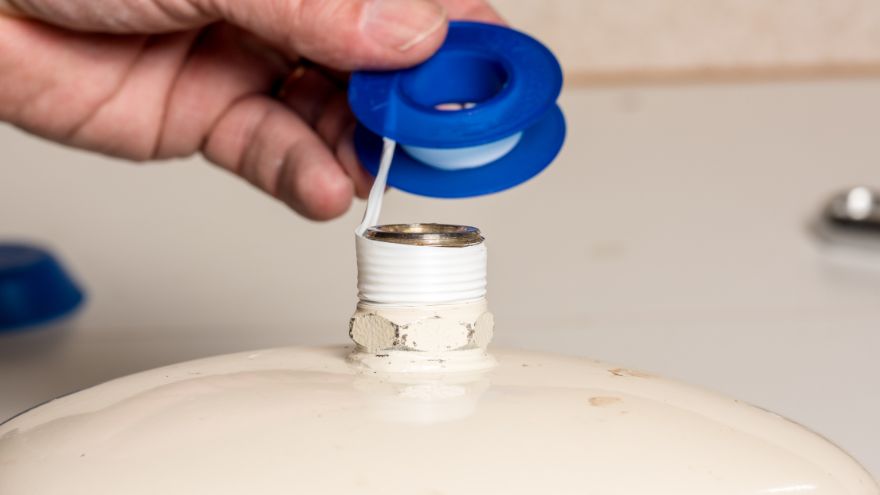
Check out Teflon tapes at the Onninen wholesaler
Effective sealing of pipe connections - hemp and Teflon tape
Effective pipe sealing is essential for plumbing systems to function flawlessly. Plumbers can choose between tow, which is a more traditional method, and Teflon tape, which is one of the more modern methods of sealing threads and pipes. Does this mean that it is worth opting for modernity and abandoning old methods, or does tradition prevail?
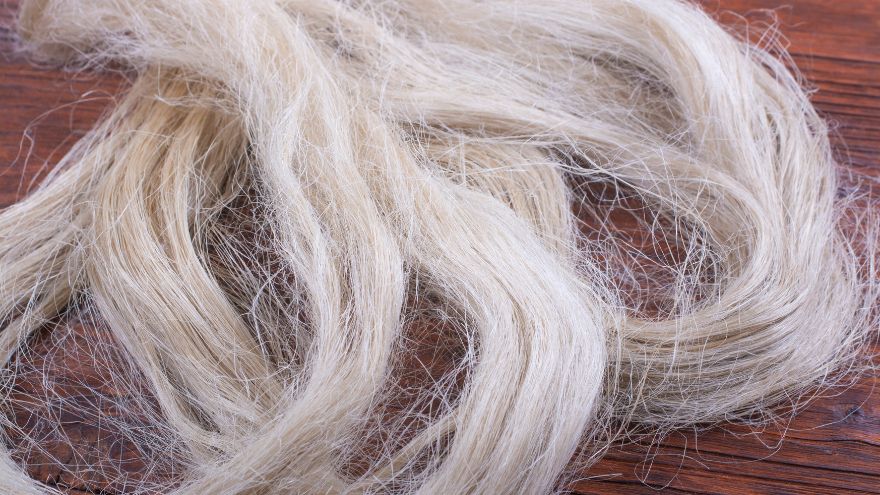
 The question posed in this way has nothing to do with reality, because both solutions have their advantages, which are appreciated by specialists. Heaps , usually linen heaps , are particularly valued in installations with metal elements. They are used in combination with sealing paste, which allows for the creation of a durable and flexible connection. Heaps adhere well to threads, filling spaces. This prevents leaks. The disadvantage is certainly the longer installation time and the need for careful, laborious winding. Despite this, their use is still large.
Teflon tape is a modern alternative, definitely easier to use and faster to apply, which is why not only plumbers but also amateurs can easily handle the installation. Teflon is enough to roll directly onto the thread, creating a smooth and tight connection. Teflon tapes are resistant to high temperatures and chemicals. Therefore, they are ideal for various installations - plastic, metal, for sealing threads in hydraulics and gas connections.
As we can see, it is impossible to judge which is better, because the choice between hemp and Teflon tape depends on several different factors, such as the type of installation, the installer's preferences, but also the requirements for the tightness and durability of the connection.
How to properly wind tow?
As we mentioned, tow and hemp have many advantages, but their handling requires skill and practice. This is important, because the tightness of the pipes depends on how we place these fibers on the thread. This process must be carried out precisely, with due care.
Before we start the sealing task, we must first thoroughly clean the thread of dirt, rust and remnants of the old sealant. Next, we apply a small amount of sealing paste to the beginning of the thread, thanks to which the tow will adhere better. It is worth remembering to separate the tow into thin strands, and then start winding from the second turn of the thread, always in the direction consistent with the direction of screwing the pipe.
It is also very important that the winding is even, and the tow must adhere well to the surface. This is essential, because if the winding is too loose, it can lead to leaks. Too tight, on the other hand, it can make it difficult to screw the elements together.
Once we have managed to wind it, the end of the tow can be lightly pressed with sealing paste, which will additionally increase the tightness of the threaded connections. At the very end, we start screwing the connection, tightening it with the appropriate force, but so as to avoid damaging the thread.
Teflon for sealing joints
There is no doubt that winding hemp can be difficult, which is why Teflon tape is often the choice when it comes to sealing threads. The use of Teflon tape is common, as it is used by both professionals and people who want to do minor repairs in the comfort of their homes. Without Teflon tape, you can't do anything about sealing pipes and threaded connections, regardless of whether we are talking about hydraulic or gas installations.
Teflon tape creates a thin but extremely effective barrier against leaks. It is very flexible, thanks to which it perfectly adapts to the thread, filling all micro-gaps. It is suitable for all types of connections - metal and plastic, providing a durable and tight connection without the need for additional pastes or glues.
How to properly seal pipes with Teflon tape?
Poorly sealed threads are asking for trouble, it seems like a small thing, but it can turn into a huge problem with leaks and flooding of rooms. So it cannot be underestimated, even when we use easier to install Teflon tapes to seal. And here too, you need to know how to do it right, so that the sealing is done precisely.
 As with hemp, first make sure that the thread is clean and dry, free from rust, oil or remnants of old sealant. If everything is fine, you can use tape, winding it from the beginning of the thread, in the direction of the pipe screwing in. It should be wound tightly and evenly, without any folds or creases.
It is recommended to apply 3-5 rolls of Teflon, but for larger threads, for more serious sealing, more layers can be used. Remember that each roll should slightly overlap the previous one, which will provide full coverage and maximum tightness. After winding the tape, the connection can be screwed. Do not do it too hard, so as not to damage the thread or tear the tape.
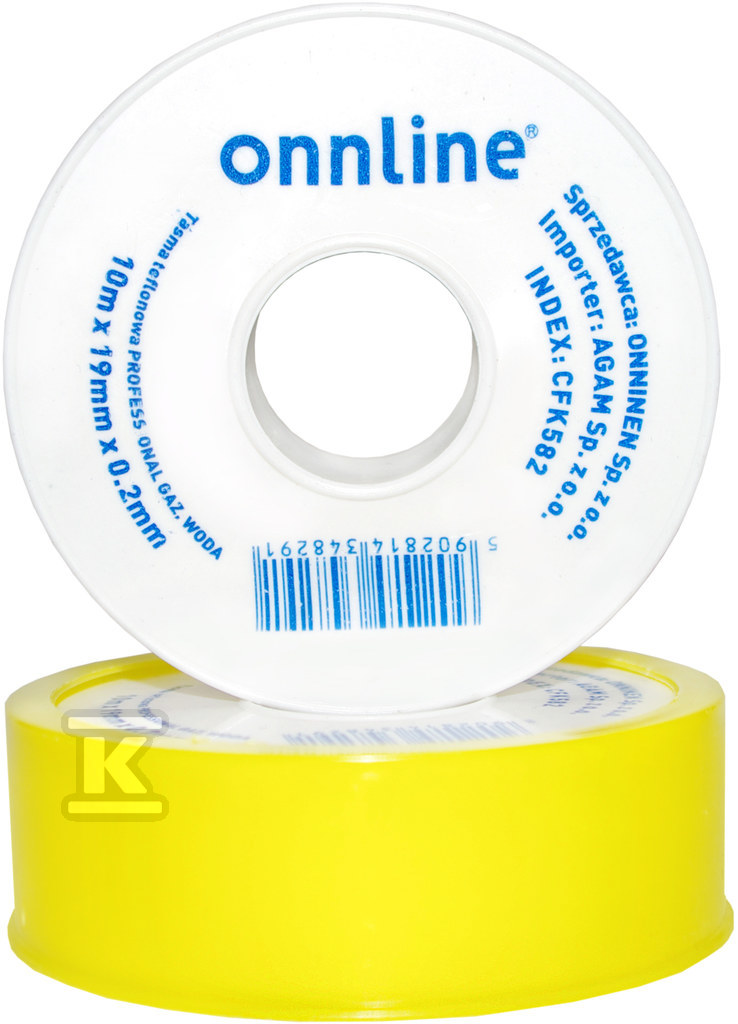
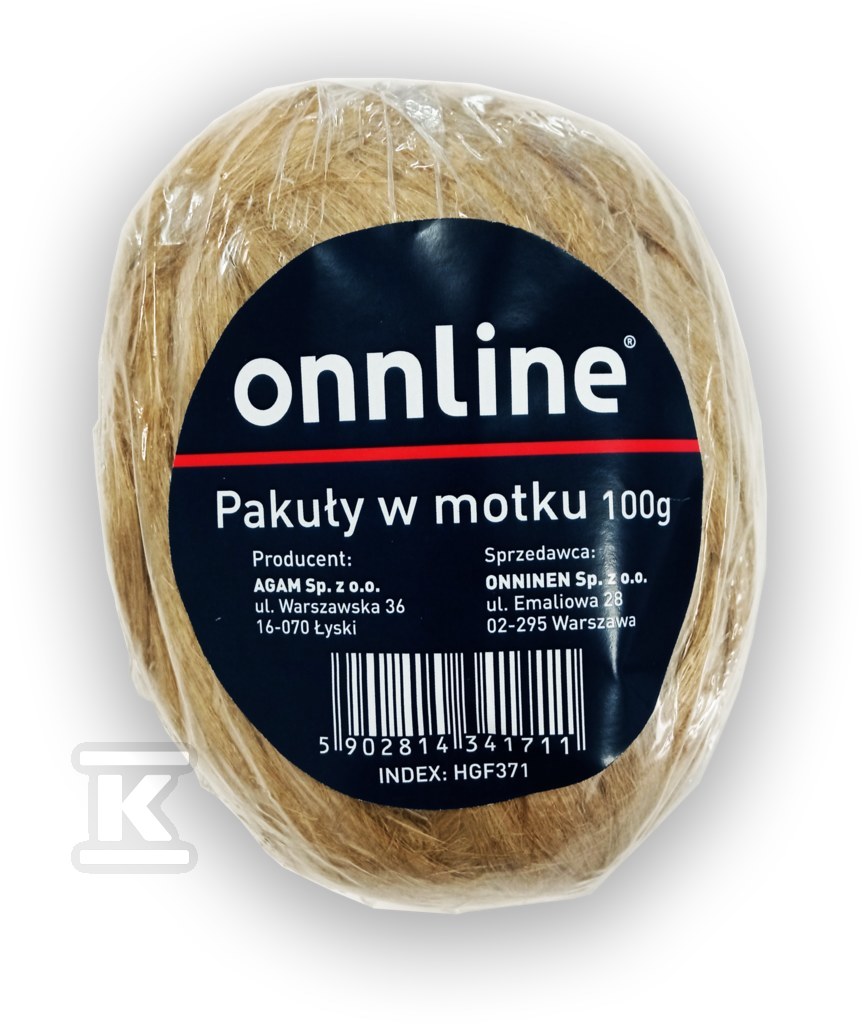
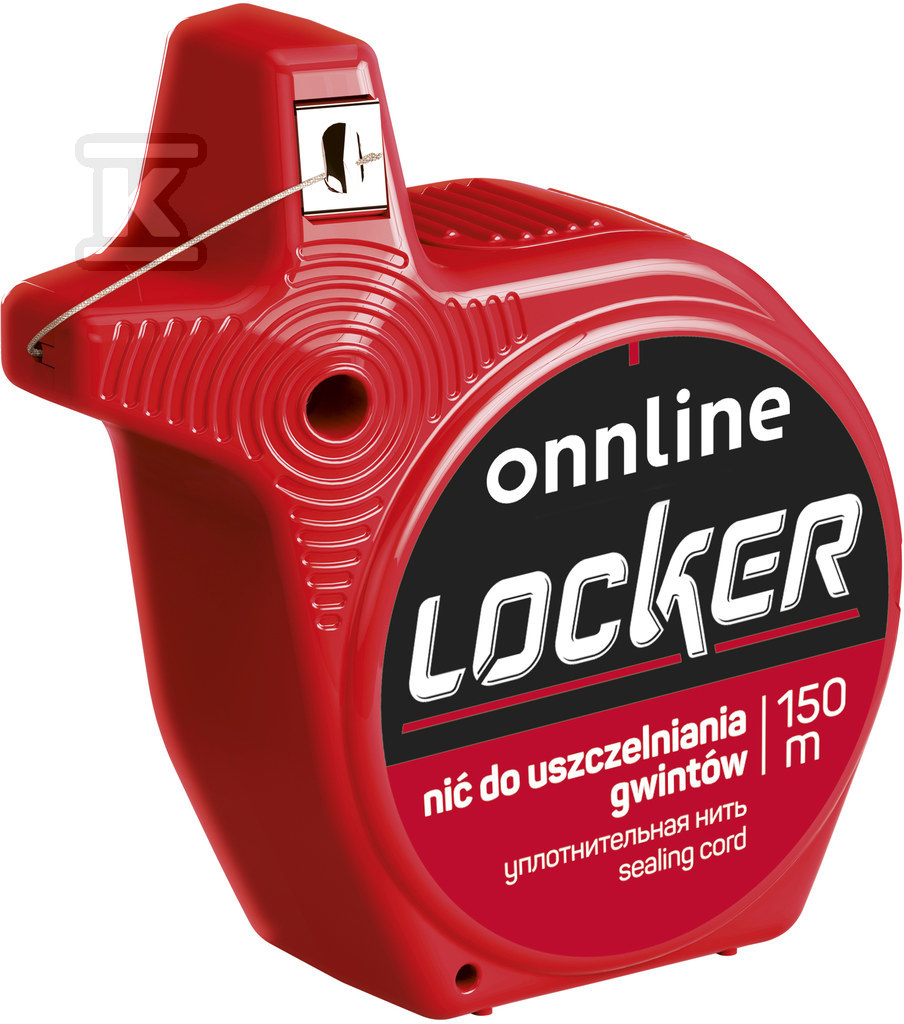
All of the sealing elements and sealing threads described in the above article can be found in the Onninen installation wholesaler . The wealth of choice makes it easy to match something to your own needs and planned work. We especially recommend the Onnline PROFESSIONAL 10m x 19mm x 0.2mm Teflon tape for water and gas connections , Onnline flax tow in a 100g skein and the Onnline Locker 150m thread sealing thread .