In the context of growing interest in renewable energy sources and the drive for decarbonization, installation supply is experiencing rapid development. The construction sector is one of the fastest growing, influenced by innovative solutions and the increase in environmental awareness of consumers, which are driving changes. The year 2025 will bring further trends shaping the future of installation supply.
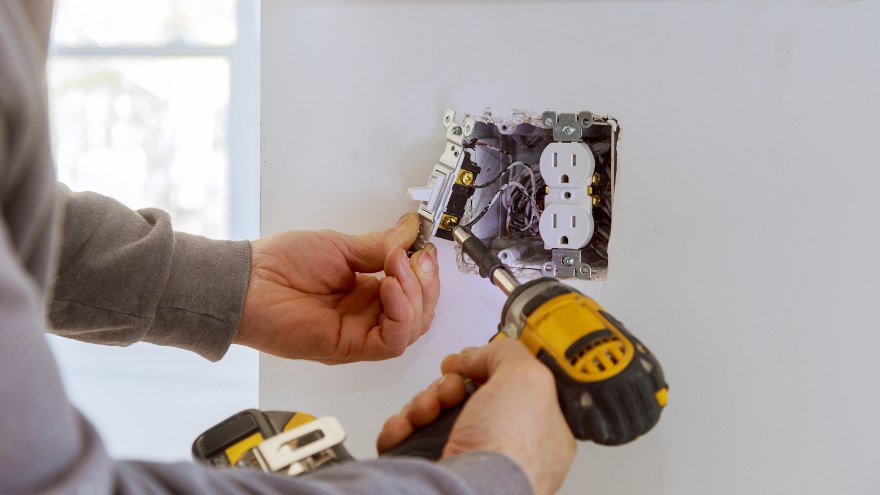
Check out the installation technology at the Onninen wholesaler
Where is construction heading in the EU?
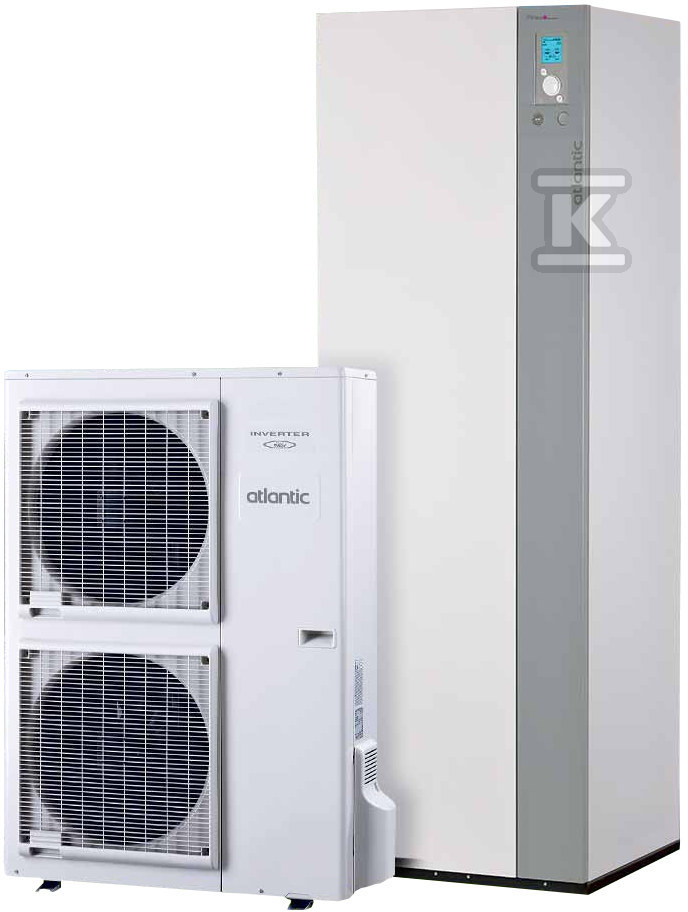 Currently, the European Union's activities are directed towards balanced development and energy efficiency. The introduction of new legal regulations, such as the EPBD directive, forces investors and developers to use energy-saving technologies. Increasing the number of low-emission buildings, or even zero-emission buildings, is therefore becoming a priority.
By 2025, more restrictive energy solutions are planned to be implemented, which will significantly affect the design and construction of new facilities. Facilities using renewable energy sources, such as photovoltaics and heat pumps , will gain importance. Moreover, the use of smart homes will also significantly contribute to increased control over electricity consumption.
What are the plans for subsidies for photovoltaics and heat pumps?
A key element of the European Union's strategy for the development of renewable energy is financial support for users. Subsidies for photovoltaics and heat pumps will continue and be developed to increase the share of renewable energy in total electricity production.
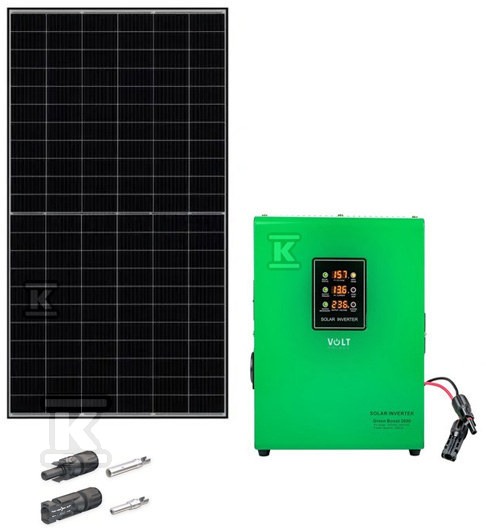 In Poland, it is planned to continue using programs such as "Mój Prąd" or "Czyste Powietrze". They are intended to increase the number of photovoltaic installations and heat pumps in households and small businesses. This will make the costs of investments more accessible to most consumers, which will contribute to the wider use of renewable energy sources, including improving the power of photovoltaic systems and heat pumps.
The subsidies will cover both the installation of new systems and the modernization of existing ones. Depending on the program, it is possible to obtain a refund of up to 50% of the investment value. Covering these costs can significantly accelerate the necessary changes related to RES.
The decarbonization process also in Poland
 Decarbonization is the process of reducing carbon dioxide emissions into the atmosphere. This process is becoming increasingly important in the context of ongoing climate change. Poland, as part of the European Union, has committed itself to, among other things, implementing climate goals, which requires changes in the energy and construction sectors.
The Polish government, in accordance with the applicable requirements, is introducing a number of changes aimed at reducing CO2 emissions. One of the main tools is the promotion of renewable energy sources and energy efficiency of buildings. Both the growth of photovoltaic installation systems and heat pumps, as well as the modernization of old heating systems are important elements of this strategy.
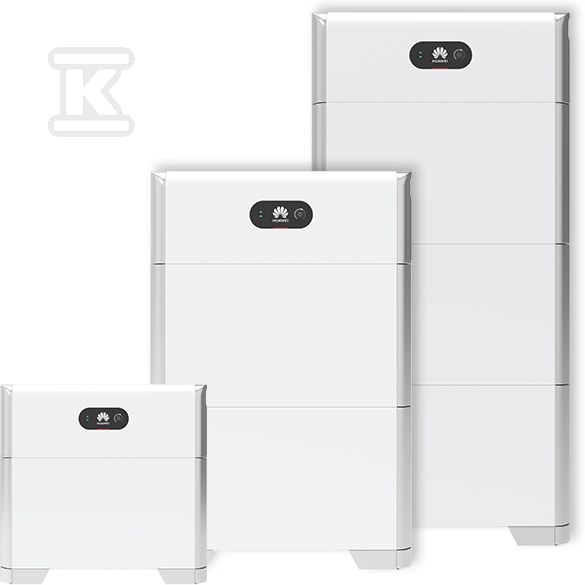
Poland is also investing in the development of photovoltaics and energy storage , which allows for better management of the production and consumption of electricity from renewable energy sources. The introduction of intelligent energy networks (smart grids) allows for the optimization of the energy system, which improves the stability of energy. Compared to traditional systems, these solutions are a future-proof choice.
Trends in heating old and new homes
Heating is one of the most important aspects affecting the comfort and convenience of life. It is also an area where you can save a lot. Choosing new technologies changes the heating systems, bills and increases ecological awareness. Renewable energy can be used in new buildings as well as in old houses.
Modern buildings are increasingly equipped with renewable energy systems. They are not only more ecological, but also bring long-term savings on bills. What's more, the installation of underfloor heating is becoming standard, which allows for better use of heat and increased comfort for household members.
In the case of old houses, it is necessary to modernize them to meet modern energy standards. Replacing old boilers with modern heat pumps or installing photovoltaic panels are the most common solutions chosen by Poles.
The future of new technologies using renewable energy sources
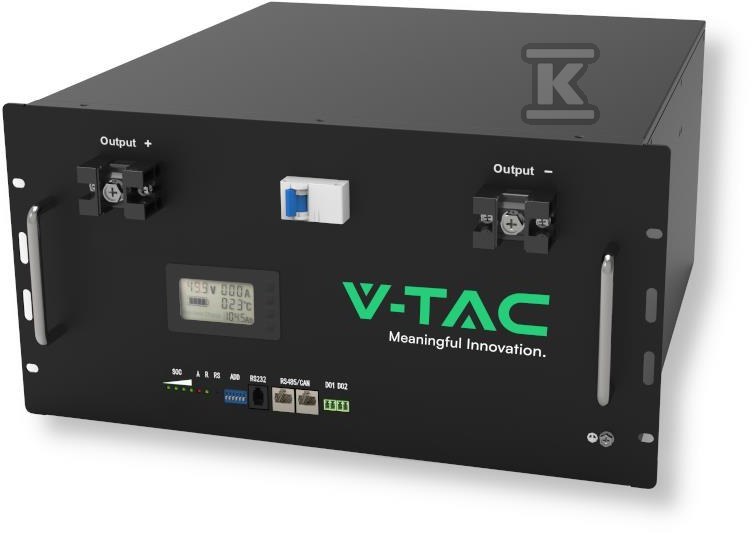 The development of renewable energy technologies is important for the future of installation supply. It can improve the convenience and comfort of users, reduce their energy consumption and also have an impact on the environment. By using renewable energy, it is possible to improve the climate and to use free energy sources, such as the sun, to the maximum and ecological extent.
What's more, modern installation technology devices not only reduce CO2 emissions, but also improve the energy efficiency of buildings. So regardless of the reasons that prompt users to choose renewable energy sources - it is worth using them. These are solutions needed by both consumers and the environment.
The trends for 2025 show the dominance of renewable energy sources, which will receive numerous subsidies. Thanks to such solutions, new and old buildings will gain greater energy efficiency, which will contribute to improving the quality of the environment.
Check out the installation technology at the Onninen wholesaler