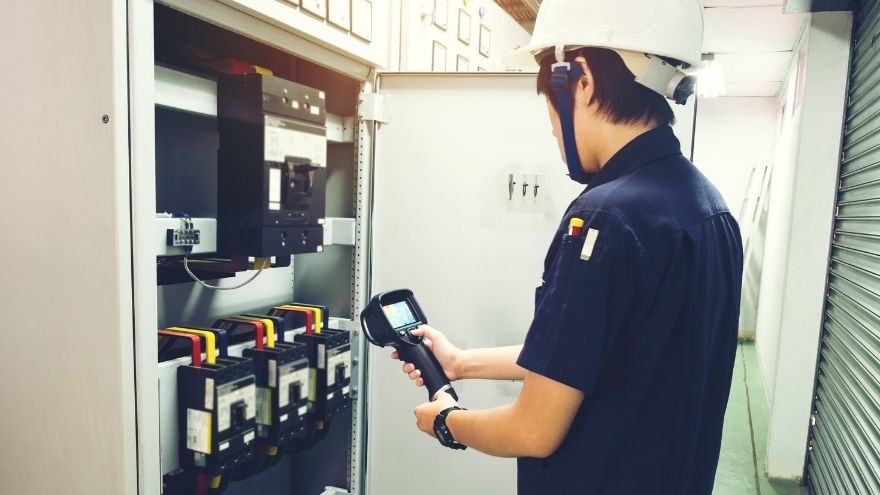
Thermal imaging cameras are of great importance in the context of electrical installation diagnostics. They allow for quick and precise detection of problems that may be related to overheating of components, usually cables, connectors or electrical devices. A thermal imaging camera also allows for the assessment of whether the device is working properly. These possibilities show how much thermal imaging measurements provide, especially in the context of electrical installation diagnostics.
Check out the thermal imaging cameras at the Onninen wholesaler
What is better for diagnosing electrical installations - a pyrometer or a thermal imaging camera?
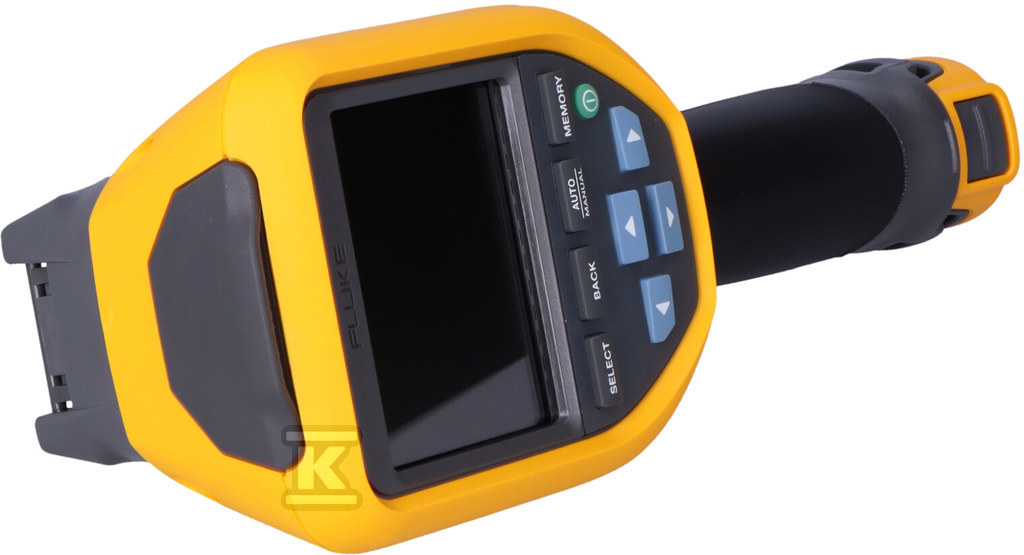 For measuring and diagnosing electrical installations, not only a thermal imaging camera is used, because pyrometers can also be used for this task. However, cameras perform much better here, offering a number of advantages. A pyrometer is, yes, a tool for measuring temperature, but only at one point, which is why it provides limited information, not showing the temperature distribution over the entire surface of the object. This makes it less effective in what is most important - identifying problems in electrical installations. This is where understanding how different elements interact with each other is key.
These are the questions that a thermal imaging camera answers, recording a full thermal image, which allows for quick detection of any anomalies and areas of excessive heating, i.e. those that may indicate problems - damage or potential threats. Their detection is necessary to restore the normal operation of the installation.
Why is measurement with a thermal imaging camera faster?
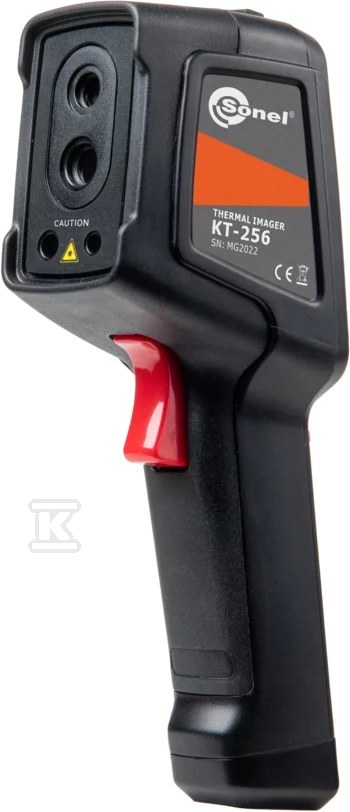 Thermal imaging cameras not only perform more accurate, more comprehensive measurements, but they also do it faster. This is possible due to the ability to perform a thermal imaging test, recording entire thermal images in a fraction of a second. Using a thermal imaging camera, measurements can be performed in real time. This allows for simultaneous analysis and diagnostics of many points in the vicinity of the electrical installation. The diagnostician can therefore quickly identify areas of increased temperature, where wires or connectors may overheat.
But that's not all, because thanks to visualization, there is no need to scan every element, which both increases efficiency and saves time. Modern software helps here, with which we can easily and quickly save thermal images for later analysis. It is no coincidence that the use of infrared radiation is crucial in many areas, for example in industry, where preventing problems with electrical installations is a priority.
How to determine if an electrical device is working properly with a thermal imaging camera?
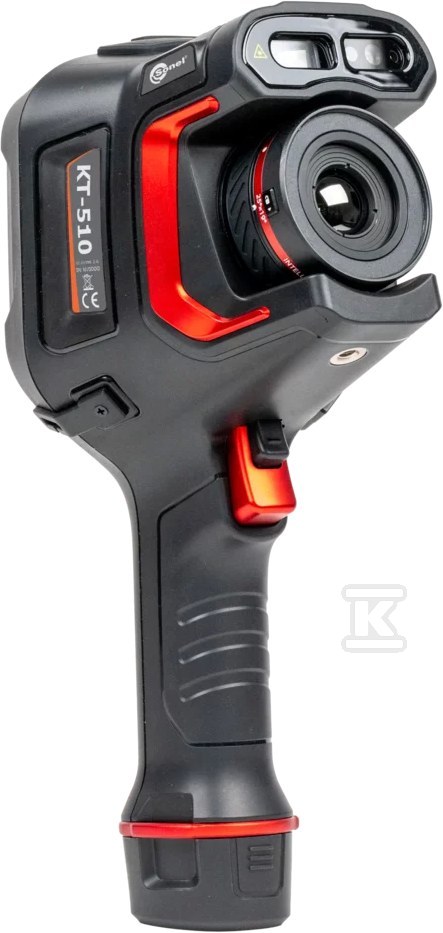 It is very important that electrical devices work properly with the thermal imaging camera. To be sure that this is the case, we should conduct a detailed analysis of the thermal image. To do this, we need to compare the measured temperature with the manufacturer's data, which defines the normal operating range of the device. If we identify hotter spots than the norm, we may be dealing with a problem related to excessive load or damage.
It is also necessary to pay attention to the temperature distribution over the entire surface of the device. In this way, we can detect abnormal local heating. This may mean that the electrical connections are incorrect or there is a failure in the components. It is always worth monitoring the temperature changes over time. This allows us to identify various developmental problems.
As we can see, the use of thermal imaging cameras for electrical installation diagnostics has a beneficial effect in many cases. And most importantly - where the threat of damage is really dangerous, not only for the efficiency of processes, but above all for safety. So let's remember that thermal imaging cameras cope with these tasks perfectly.
Check out the thermal imaging cameras at the Onninen wholesaler