Lighting in the home does not only have a functional role, because it also determines the aesthetics of the interior and, most importantly, our well-being. The color temperature is of great importance here. Warm light brings relief, relaxation, is cozy; cold light, on the other hand, promotes concentration, while emphasizing the modern appearance of the room. Let's find out how the temperature of lighting affects the appearance of interiors? What color of lighting to choose for the decor of a room? Let's also explain how the color of lighting affects well-being?
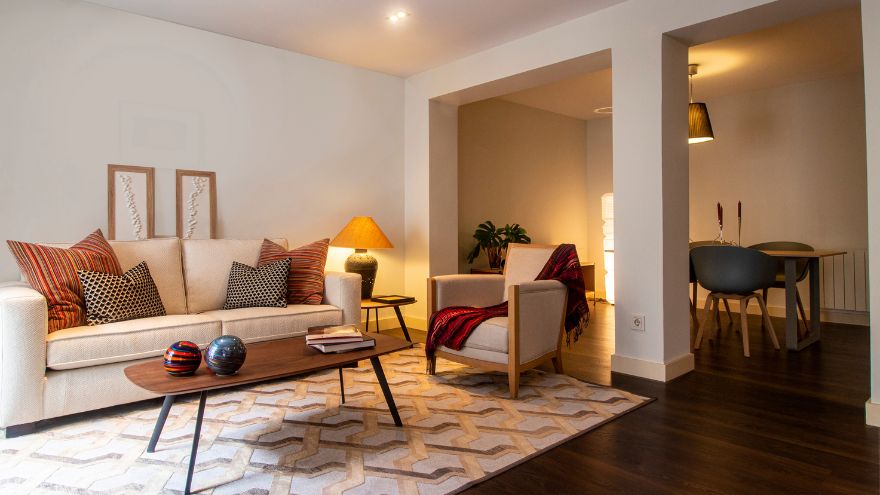
Check out the showroom lighting at the Onninen wholesaler
How does lighting temperature affect the appearance of a room?
When choosing lighting , we must consider many different factors so that it fits a given room, helps with relaxation or, on the contrary, promotes concentration. The color temperature of the lighting, which is expressed in Kelvin (K), decides everything. It has a huge impact on the atmosphere and perception of the interior.
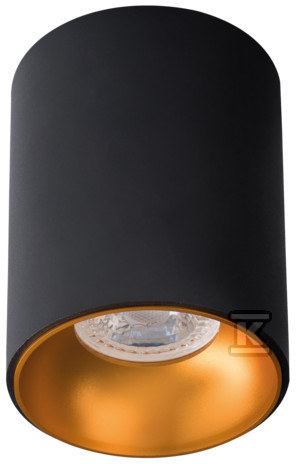 Warm light with a temperature below 3300 K creates a cozy and relaxing atmosphere. This is therefore an ideal solution for the living room, bedroom or dining room. Warm light makes the colors of furniture and walls seem warmer, more natural, which favors a homely atmosphere. So let's remember that the lighting in the living room should be warm.
However, it does not fit everywhere, which is why in many places the best is simply a neutral color. It resembles daylight, which is why it is perfect for the kitchen, office or bathroom. In such places, clear visibility and precision are needed. Neutral lighting supports concentration and allows for precise performance of daily activities.
Cold light, above 4000 K, introduces a modern, minimalist character, making interiors seem more spacious and sterile. It is often used in offices, workshops or garages. However, if we are interested in kitchen lighting or bathroom lighting , it is also worth considering it, for example, placing it above the counter or above the mirror (for better visibility). Different light colors work well in these interiors.
What lighting color should I choose for my room?
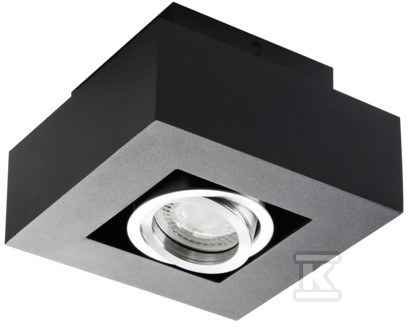 We can see that the color of light is of great importance, which is why, when designing lighting, selecting lamps and fluorescent lamps, we should always remember the most important rules. The warm color blends perfectly with classic and rustic arrangements, i.e. where natural materials such as wood or fabrics dominate.
This type of light creates a cosy, homely atmosphere, ideally complementing spaces designed for relaxation, such as a living room or bedroom. The warm light colour does not strain the eyes, it is very suitable for evening reading, when the most important thing is to slowly transition into a state of wakefulness and then sleep.
The neutral color, which resembles natural sunlight, works very well in modern and minimalist interiors. So where bright colors, glass or metal predominate, it is worth considering this type of light. With it, details become clear, and the space gains freshness and functionality.
Cold light is reserved for industrial or futuristic stylings. Raw elements dominate here - concrete, steel, shades of gray. This type of light emphasizes geometric shapes, giving the rooms a distinctive, modern look.
How does the color of lighting affect your well-being?
The color of light has enormous power, determining how we feel. Whether we are relaxed, calm, or perhaps the opposite - stimulated or highly concentrated. It is incredibly interesting that ordinary light bulbs enclosed in a lampshade can have such an effect on us.
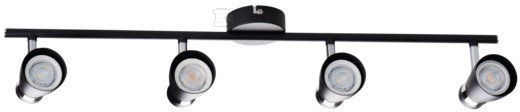 Warm light (below 3300 K) has an extremely relaxing effect, promoting calm. It is therefore perfect for evening rest, as it helps the body prepare for sleep. It reduces the production of cortisol (stress hormone, secreted after waking up), while supporting the secretion of melatonin (the so-called sleep hormone).
Neutral light, the closest to daylight, improves concentration and stimulates action. It is therefore recommended for studying, working or performing precise tasks. It provides even, bright lighting that does not tire the eyes and supports efficiency during the day.
Cold light (above 4000 K) has a very stimulating effect, which is why it increases alertness and concentration. It is no accident that it is used in office spaces or gyms, where maintaining energy and full activity is most important. However, too much of it can be tiring, causing a feeling of cold and discomfort. It should be used in moderation.
It is therefore impossible to clearly answer the question of what light color will be optimal, because everything depends on the needs and specifics of the place.