Wind turbines are an ecological solution that uses renewable energy sources, such as wind. It is a solution that can also be successfully used for the needs of single-family homes. What regulations must be met in the case of a home turbine and how to choose the optimal place for its installation?
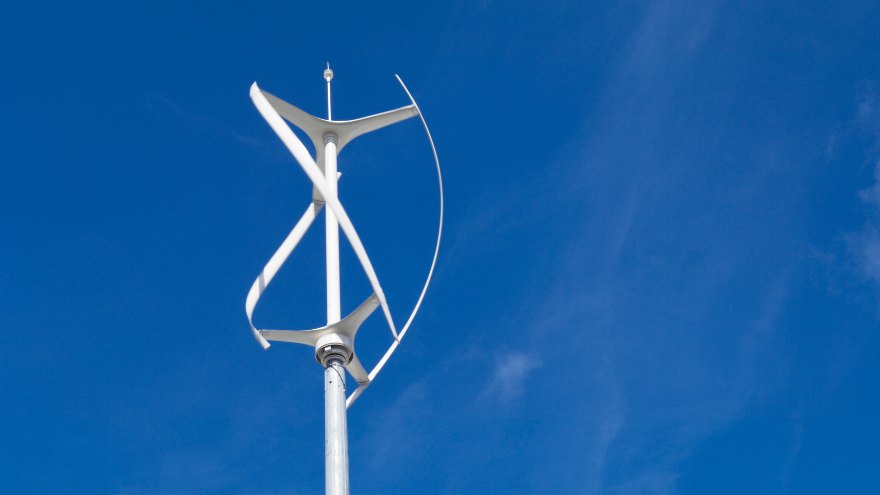
Check out the wind turbines at the Onninen wholesaler
What regulations must a domestic wind turbine meet?
Installing a home wind turbine, although it allows for ecological energy production, can only be carried out in a situation where the applicable legal regulations are met. It is worth knowing that not only building law regulations are important, the local spatial development plan, energy regulations and environmental protection regulations should also be taken into account. Wind turbines are one of the increasingly popular ways to obtain electricity for household needs and beyond.
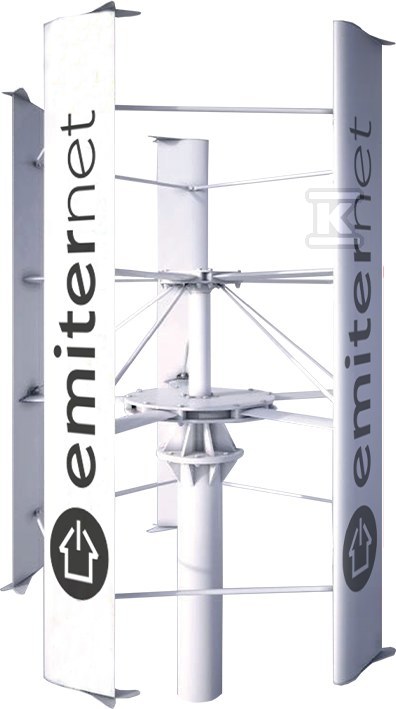 According to the building law, a permit is required for the construction of a home turbine, only in certain situations. Much depends on the height of the structure, as well as its location. Before starting work, it is necessary to find out what provisions regarding spatial development have been provided for a given area. When analyzing the provisions, special attention should be paid to whether there are any restrictions on the height of buildings or other structures in the selected location.
Although obtaining energy through a turbine is perceived as an ecological and beneficial solution, in practice there are situations in which it is necessary to conduct a detailed analysis of the impact of the turbine on the environment. An important issue is the level of noise generated, which can disturb the peace of people in the vicinity.
It is important to remember that when planning the construction of a home wind turbine, it is essential to choose devices with appropriate safety certificates. Thanks to them, we know that the wind turbine is a safe solution.
Wind micro-installations are an investment that, if properly planned and executed, can reduce the costs of electricity used by the owner of the facility. Wind turbines and photovoltaics are solutions that complement each other and allow for the optimal use of the energy produced and stored.
When do you need a permit to build a home wind farm?
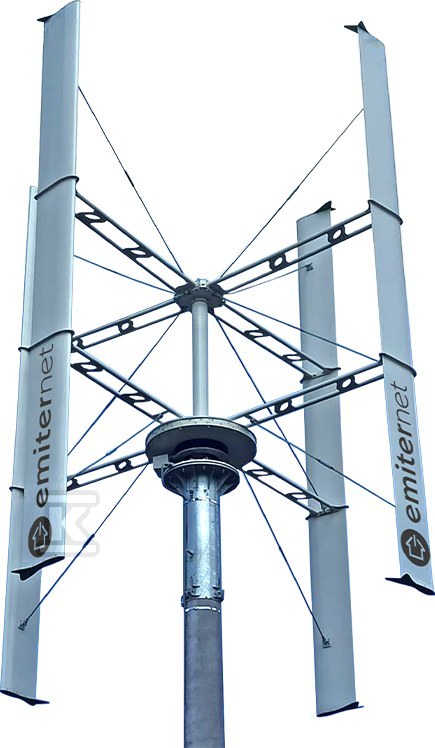 In some situations, the installation of a turbine will require the preparation of appropriate documentation and obtaining a permit. The key issue is the height of the planned installation. It is assumed that if a wind turbine does not exceed 3 m in height from the ground level, then it is classified as an element of the so-called small architecture and a building permit is not required. All installations higher than 3 m require appropriate procedures and obtaining appropriate permits. However, exceptions to this rule may be included in the local spatial development plan.
It should be emphasized that the regulations regarding the height of the structure and the limit height of 3 m apply to those solutions that are installed directly on the supporting structure of the building, including the roof. When building turbines on a plot of land, on a so-called separate foundation, it is necessary to know that according to the regulations, it is treated as a separate object. Therefore, an appropriate consent is required, both for the construction and for the use of the object.
How to choose the right location for a wind turbine?
The efficiency of a wind turbine depends on the location of the device. Therefore, before starting the installation, it is necessary to conduct an analysis of the conditions. One of the key factors is the analysis of the wind - average speed and direction.
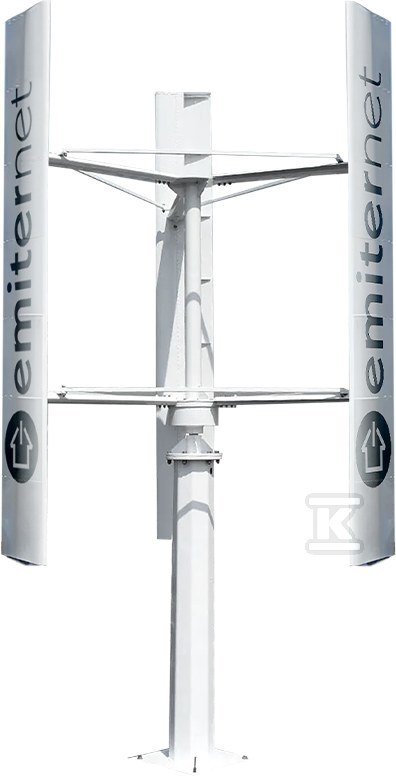 Home wind turbines will pass the test, and the process of producing electricity will be sufficiently efficient, if the average wind speed is not less than 4-5 m/s. Analysis of the wind direction helps to optimize the device setting.
When planning the installation of a wind turbine, you need to pay attention to the terrain. It is best to choose a place where there are no obstacles. Depending on the location, these may be other buildings, hills, or even trees that can shield the turbine, blocking or disrupting the flow of wind.
The height of the turbine installation depends largely on the conditions in a given area. The mast should be large enough to provide the turbine with optimal operating conditions. It should be remembered that wind speed increases with height. In practice, this means that the higher the device is mounted, the greater the wind force. Home wind turbines mounted too low will not operate efficiently.
How to properly check if a given location is suitable for a wind turbine?
A home wind turbine is a good solution, but only if the turbine is placed in the right place. The choice of location is therefore crucial, without wind the process of obtaining electricity will not be effective.
Before starting the installation, it is necessary to carefully assess the possibilities, paying special attention to the terrain and wind resources. The presence of barriers, in the form of other buildings, trees, or hills. Placing the turbine in a valley will not be a good idea, because the surrounding obstacles will impede the air flow. Long-term data related to wind speed measurements are also of great importance in making decisions.
It is best if it is possible to take measurements at the location where the turbine will be located, but collecting data is time-consuming. It is assumed that preparing representative data on which conclusions can be based should take at least a year. During the analysis, parameters such as average wind speed, distribution and variability are taken into account. The construction of the turbine allows for reducing costs and expenses for electricity, but only under appropriate conditions.