Clamping knob DIN 6336-AL-50-B10-C-PL Z016993
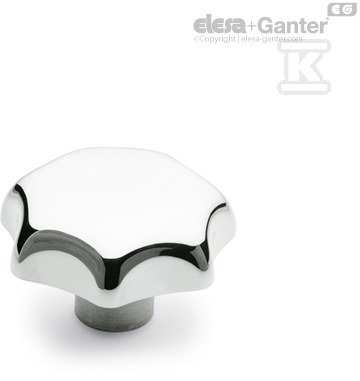

Catalog numbers:
- DIN 6336-AL-50-B10-C-PL
Suggested products
TECHNICAL DATA
Sales unit dimensions and weight: 1 pcs
Clamping knob DIN 6336-AL-50-B10-C-PL Z016993
Clamping knobs and their application
The DIN 6336-AL-50-B10-C-PL clamping knob is a standard machine part, manufactured by ELESA+GANTER. It is used for manual closing and opening of mechanisms, adjusting the position of elements, and securing parts. Made of aluminum, it is characterized by its strength and corrosion resistance. It is a widely used element in industry, mechanical engineering, and precision devices.
Design and materials
The knob is made of aluminum, which ensures lightness and good resistance to external factors. The diameter of the knob is 50 mm, which makes it easy to grip and operate precisely. The use of aluminum in the construction affects the reduction of the mass of the entire mechanism, which is particularly important in applications requiring dynamic movements. Aluminum is also a material that does not cause corrosion, which extends the life of the element even in harsh working conditions.
Advantages and benefits
- Strength and durability: Aluminum guarantees long-term use even with intensive operation.
- Corrosion resistance: The knob retains its properties in environments with increased humidity or exposed to chemicals.
- Ergonomic shape: Allows for a comfortable grip and precise control of the mechanism.
- Wide application: Ideal for machines, precision devices, tooling, and other industrial applications.
- DIN 6336 standard: Ensures compatibility with other machine elements that meet this standard.
- Easy installation: Simple construction allows for quick and easy installation in existing systems.
Practical applications
Clamping knobs are widely used in various industries:
- Mechanical engineering: Adjustment of the position of machine elements, securing parts during machining.
- Precision devices: Precise setting of operating parameters of measuring and laboratory devices.
- Tooling: Securing tools and cutting elements in production tooling.
- Industrial automation: Controlling the movement of elements in automated production lines.
- Food and pharmaceutical industry: Applications requiring high hygiene and resistance to chemicals (thanks to the properties of aluminum).