Clamping knob DIN 6336-AL-80-B12-C-MT Z025035
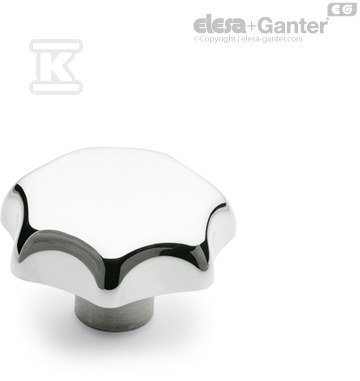

Catalog numbers:
- DIN 6336-AL-80-B12-C-MT
Suggested products
TECHNICAL DATA
Sales unit dimensions and weight: 1 pcs
Clamping knob DIN 6336-AL-80-B12-C-MT Z025035
Clamping knobs and their application
The DIN 6336-AL-80-B12-C-MT clamping knob is a standard machine part, manufactured by ELESA+GANTER. It is used for manual closing and opening of mechanisms, adjusting the position of elements and securing parts. Made of aluminum, it is characterized by durability and corrosion resistance. Its versatility makes it applicable in many industries – from metalworking to the production of medical devices.
Construction and materials
The knob is made of aluminum, which ensures lightness and good corrosion resistance. The diameter of the knob is 80 mm, which facilitates grip and precise operation. The construction compliant with the DIN 6336 standard guarantees interchangeable elements and compatibility with other machine components. Aluminum is particularly valued as a material for its good weight-to-strength ratio, as well as its machinability, which allows the knob to be adapted to specific needs.
Benefits of use
- Ergonomics: The large diameter of the knob (80 mm) ensures a comfortable grip and minimizes effort during operation.
- Durability: Aluminum construction guarantees long-term operation even in demanding working conditions.
- Versatility: Compliance with DIN 6336 standard enables easy replacement and integration with various mechanisms.
- Corrosion resistance: Aluminum is a material resistant to the action of moisture and many chemicals, which extends the life of the knob.
- Precision: Allows precise adjustments and fastening of elements, which is crucial in many industrial applications.
- Aesthetics: ELESA+GANTER product is characterized by high quality workmanship and aesthetic appearance, which affects the overall perception of the device or machine.
Applications in practice
The DIN 6336-AL-80-B12-C-MT clamping knob finds wide application in:
- Machines and industrial equipment – as an element for adjusting the position of working elements.
- Metalworking – for securing parts in vices, lathes and other machines.
- Medical devices – in laboratory and diagnostic equipment requiring precise adjustments.
- Industrial automation – as an element for controlling production processes.
- Furniture structures – for adjusting the height of countertops or the angle of elements.
- Household appliances – in devices requiring manual adjustment of operating parameters (e.g. fans).