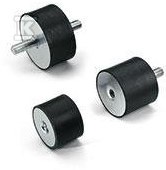
Vibration isolator DVA.1-30-20-M8-20-40 Z049816

Catalog numbers:
- DVA.1-30-20-M8-20-40
Suggested products
TECHNICAL DATA
Sales unit dimensions and weight: 1 pcs
Vibration isolator DVA.1-30-20-M8-20-40 Z049816
Vibration Isolators – Reduction of vibrations and noise in machines and equipment
Vibration isolator DVA.1-30-20-M8-20-40 is an element designed to dampen vibrations and reduce noise generated by operating machines and equipment. Its construction, combining galvanized steel with natural rubber, provides effective isolation from the ground or other structural elements. Mounting vibration isolators not only improves working comfort but also extends the life of equipment by minimizing the negative impact of vibrations on its components.
Construction and application
This specific model, with a diameter of 30 mm and a height of 20 mm, features an external M8 thread, which facilitates mounting in various applications. It is made of galvanized carbon steel, and the damping element is natural rubber with a hardness of 40 Shore A. This combination of materials ensures good abrasion resistance and long-lasting effectiveness. These types of vibration isolators are widely used in mounting device components such as motors, fans, and pumps. They are ideal wherever it is necessary to limit the transmission of vibrations to the environment or to isolate the device from external vibrations.
Key features and benefits
- Effective vibration reduction: Natural rubber with a hardness of 40 Shore A effectively absorbs vibration energy, minimizing its transmission.
- Durable construction: The combination of galvanized steel and natural rubber guarantees corrosion resistance and long-term reliability.
- Easy installation: The external M8 thread allows for quick and easy installation in standard threaded holes.
- Versatile application: Ideal for isolating motors, pumps, fans and other machine and equipment components.
- Protection against damage: By damping vibrations, the vibration isolator helps protect delicate components from mechanical damage.
- Improved working comfort: Reduction of noise and vibration translates to better working conditions for the device operator.
Choosing the right vibration isolator depends on the specifics of the application – vibration frequency, load and required degree of damping. If in doubt, it is worth consulting a specialist or using the technical data available from the manufacturer.