Vibration isolator DVA.2-15-15-SST-M4-10-55 Z038199

Catalog numbers:
- DVA.2-15-15-SST-M4-10-55
Suggested products
TECHNICAL DATA
Sales unit dimensions and weight: 1 pcs
Vibration isolator DVA.2-15-15-SST-M4-10-55 Z038199
Vibration isolators – reduction of vibrations and noise in machines and equipment
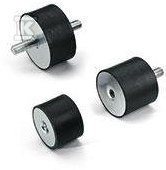
Vibration isolator DVA.2-15-15-SST-M4-10-55 is an element designed to dampen vibrations and reduce noise generated by machines and equipment. Its construction is based on a combination of stainless steel AISI 304 and natural rubber, which ensures durability and efficiency in various conditions. Installation is simple thanks to the threaded pin and a cast-in threaded hole.
Construction and application
This model of vibration isolator is characterized by a cylindrical design. It is primarily used for mounting components of devices such as motors, fans or pumps. Thanks to its properties, it effectively isolates vibrations, protecting both the machine itself and the surroundings from their negative impact. The stainless steel construction makes it corrosion resistant and ideally suited for use in demanding environments.
Key features and benefits
- Durability and resistance: Construction from stainless steel AISI 304 guarantees long life and corrosion resistance, even in harsh working conditions.
- Effective vibration damping: The combination of stainless steel with natural rubber with a hardness of 55 Shore A provides effective vibration damping and noise reduction.
- Easy installation: Threaded pin (M4) and a cast-in threaded hole facilitate quick and precise installation in various applications.
- Versatility: Suitable for use in a wide range of devices and machines where vibration and noise reduction is required.
- Precision: Thanks to precise workmanship, it ensures stable mounting of elements, minimizing the risk of generating additional vibrations.
It is important to remember that proper selection of the vibration isolator for a specific application is crucial to achieve optimal results. Parameters such as vibration frequency, load and required damping level should be taken into account.