Vibration isolator DVA.2-30-15-M8-20-40 Z050387
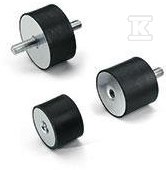

Catalog numbers:
- DVA.2-30-15-M8-20-40
Suggested products
TECHNICAL DATA
Sales unit dimensions and weight: 1 pcs
Vibration isolator DVA.2-30-15-M8-20-40 Z050387
Vibration Isolators – Reduction of vibrations and noise in machines and equipment
Vibration isolator DVA.2-30-15-M8-20-40 is an element designed to dampen vibrations and reduce noise generated by operating machines and equipment. Its construction, based on a combination of galvanized steel and natural rubber, effectively isolates vibrations, protecting both the equipment itself and the surroundings. Installing these types of isolators translates to extending the lifespan of machines, improving work comfort, and reducing the risk of damage caused by resonance.
This particular model is characterized by a cylindrical structure, a threaded pin, and a molded insert with a non-through threaded hole. This allows for stable and precise mounting of elements, ensuring optimal vibration damping. Construction from galvanized steel guarantees corrosion resistance, and natural rubber with a hardness of 40 Shore’A provides effective absorption of vibration energy.
Construction and application
Vibration isolator DVA.2-30-15-M8-20-40 finds application in a wide range of industries – from mechanical engineering, through automotive, to construction. It is ideal for mounting motors, pumps, fans or other devices generating vibrations. It can also be used to isolate electrical cabinets or other elements sensitive to external vibrations. Thanks to its versatility, it is valued by both professional installers and end-users looking for an effective solution to the problem of vibrations.
- Threads: It has an external thread M8 and an internal thread M8 with a length of 20 mm, which facilitates integration with various structures.
- Dimensions: Diameter 30 mm and height 15 mm provide compact dimensions while maintaining adequate damping efficiency.
- Material: The combination of galvanized steel and natural rubber guarantees durability and resistance to environmental conditions.
- Rubber hardness: Hardness of 40 on the Shore A scale provides optimal damping properties for many applications – this is a compromise between flexibility and resistance to loads.
Selecting the right vibration isolator is crucial for achieving the desired results. It is necessary to consider the frequency of vibrations, the load, and the required degree of damping. If in doubt, it is worth consulting a specialist or using the technical data available from the manufacturer – Elesa+Ganter.