Vibration isolator DVA.3-15-15-M4-55 Z030937
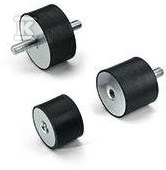

Catalog numbers:
- DVA.3-15-15-M4-55
Suggested products
TECHNICAL DATA
Sales unit dimensions and weight: 1 pcs
Vibration isolator DVA.3-15-15-M4-55 Z030937
Vibration Isolators – Reduction of vibrations and noise in machines and equipment
The DVA.3-15-15-M4-55 vibration isolator is an element dedicated to damping vibrations and reducing noise generated by operating machines and equipment. Its use translates to improved work comfort, increased safety, and extended equipment life. The construction based on a flexible material, such as rubber with a hardness of 55 Shore’a, effectively absorbs vibrations, minimizing their transfer to the environment or structural elements.
Construction and application
This model of vibration isolator is characterized by a cylindrical structure and threaded internal connections (M4) on both sides. A diameter of 15 mm and a height of 15 mm make it compact and easy to install. Steel inserts, galvanized, provide mechanical strength and corrosion resistance. Vibration isolators of this type are widely used in mounting components of devices such as motors, fans, or pumps. They will work wherever it is necessary to isolate vibration-generating elements from the environment or other sensitive components.
Key features and benefits
- Effective vibration reduction: Rubber with a hardness of 55 Shore’a provides optimal vibration damping over a wide frequency range.
- Durable construction: Galvanized steel inserts guarantee resistance to mechanical loads and corrosion, which translates to a long service life.
- Easy installation: M4 threaded connections allow for quick and secure mounting to standard structural elements.
- Compact dimensions: Diameter 15 mm and height 15 mm allow for use in limited space.
- Versatile application: Ideal for mounting motors, pumps, fans and other components of machines and equipment.
- Improved work comfort: Reduction of noise and vibrations translates to more comfortable working conditions for the operator.
- Protection against damage: Vibration damping reduces the risk of damage to structural elements caused by resonance or material fatigue.
Choosing the right vibration isolator for a specific application is crucial to achieving optimal results. Parameters such as vibration frequency, load and required damping level should be considered.