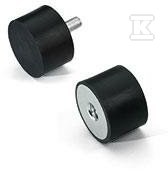
Vibration isolator DVA.4-15-20-M4-10-40 Z050428

Catalog numbers:
- DVA.4-15-20-M4-10-40
Suggested products
TECHNICAL DATA
Sales unit dimensions and weight: 1 pcs
Vibration isolator DVA.4-15-20-M4-10-40 Z050428
Vibration Isolators – Reduction of vibrations and noise in machines and equipment
Vibration isolator DVA.4-15-20-M4-10-40 is an element dedicated to damping vibrations and reducing noise generated by machines and equipment. Its construction allows isolating the vibrating mass from the environment, which translates to improved work comfort, increased safety, and extended equipment life. This is particularly important in applications where vibrations can negatively affect the accuracy of operation or cause damage to structural elements.
Design and application
This vibration isolator is characterized by a cylindrical shape and an external M4 thread, which facilitates mounting in various structures. It is made of galvanized steel, which ensures corrosion resistance and durability. Its construction is based on a flexible material – rubber with a hardness of 40 Shore’a – which absorbs vibration energy, minimizing its transfer to the substrate or other elements. Vibration isolators from the DVA.4 series are widely used as shock-absorbing elements, cushioning pads, and for mounting lighter equipment.
Key features and benefits
- Effective vibration reduction: Rubber with a hardness of 40 Shore’a effectively dampens vibrations, minimizing noise and improving work comfort.
- Durable construction: Galvanized steel provides corrosion resistance and long life even in harsh environmental conditions.
- Easy installation: The external M4 thread allows for quick and secure mounting in standard threaded holes.
- Versatile application: Ideal for mounting components such as motors, fans or pumps, as well as a shock-absorbing element.
- Reduced wear of elements: By damping vibrations, the vibration isolator contributes to reducing the mechanical load on machine elements, which extends their service life.
- Improved safety: Reduction of vibrations translates to increased safety for the operator of the device and people nearby.
Choosing the right vibration isolator is crucial for effective vibration damping. Parameters such as vibration frequency, load and the required degree of damping should be taken into account when selecting the appropriate model.