Vibration isolator DVA.4-20-15-M6-18-55 Z030969

Catalog numbers:
- DVA.4-20-15-M6-18-55
Suggested products
TECHNICAL DATA
Sales unit dimensions and weight: 1 pcs
Vibration isolator DVA.4-20-15-M6-18-55 Z030969
Vibration Isolators – Reduction of vibrations and noise in machines and equipment
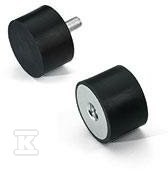
The DVA.4-20-15-M6-18-55 vibration isolator is an element designed to dampen vibrations and reduce noise generated by machines and equipment. Its construction allows for isolating the vibrating mass from the base, which translates to improved work comfort, increased safety, and extended equipment life. This is particularly important in applications where vibrations can negatively affect the accuracy of operation or cause damage to structural elements.
Construction and application
The DVA.4 vibration isolator is characterized by a cylindrical structure and has an external M6 thread for mounting. It is made of galvanized steel, which ensures corrosion resistance and durability in various environmental conditions. The rubber hardness of 55 Shore A guarantees optimal damping properties for a wide range of loads and vibration frequencies. This type of vibration isolator is commonly used for shock absorption, bumpers, and mounting devices with a smaller mass – from a few to several hundred kilograms. It works well where effective isolation from vibrations generated by engines, fans, pumps or other machine components is required.
Key features and benefits
- Effective vibration reduction: 55 Shore A hardness rubber provides optimal vibration damping over a wide frequency range.
- Durable construction: Galvanized steel guarantees corrosion resistance and long-term operation.
- Easy installation: The external M6 thread allows for quick and secure mounting in standard threaded holes.
- Versatile application: Ideal for shock absorption, bumpers and mounting devices of various weights.
- Improved work comfort: Noise and vibration reduction translates to better working conditions for the operator.
- Extended machine life: Vibration damping reduces mechanical loads on structural elements, which affects their durability.
Selecting the appropriate vibration isolator, taking into account the operating parameters of the device and the type and range of vibrations, is crucial to ensure optimal isolation efficiency. If in doubt, it is worth consulting the technical department of the manufacturer or distributor.