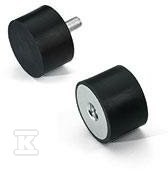
Vibration isolator DVA.4-20-20-M6-18-40 Z042390

Catalog numbers:
- DVA.4-20-20-M6-18-40
Suggested products
TECHNICAL DATA
Sales unit dimensions and weight: 1 pcs
Vibration isolator DVA.4-20-20-M6-18-40 Z042390
Vibration Isolators – Reduction of Vibrations and Noise
Vibration isolator DVA.4-20-20-M6-18-40 is an element dedicated to damping vibrations and reducing noise generated by machines and equipment. Its construction based on rubber with a specific hardness allows for effective isolation of vibrating elements from the ground or other structures, which translates to improved work comfort, increased device life, and reduced risk of damage. This is particularly important in applications where precision and minimizing vibrations are crucial.
Construction and application
This specific model, DVA.4, is characterized by a cylindrical construction and an external M6 thread, which facilitates mounting in various structures. The diameter of the vibration isolator is 20 mm, and its height is also 20 mm. It is made of galvanized steel, which ensures corrosion resistance and durability. The rubber element with a hardness of 40 on the Shore scale provides optimal damping properties for a wide range of loads and vibration frequencies. Vibration isolators of this type find application in many industries – from agricultural and industrial machinery, through laboratory equipment, to household appliances. They are ideal for mounting motors, pumps, fans and other components generating vibrations.
Key features and benefits
- Effective vibration damping: Rubber with a hardness of 40 Shore effectively absorbs vibration energy, minimizing its transfer to the surroundings.
- Versatile mounting: The external M6 thread allows for easy integration with various structures.
- Durability and resistance: Galvanized steel provides protection against corrosion and long-term operation even in harsh environmental conditions.
- Noise reduction: Damping vibrations translates to a reduction in the noise level generated by operating machines and equipment.
- Protection against damage: Vibration isolation reduces the risk of mechanical damage to structural elements and vibration-sensitive components.
- Improved work comfort: Reducing vibrations translates to better working conditions for machine and equipment operators.
- Increased lifespan: Limiting the impact of vibrations on structural elements extends their lifespan and reduces costs associated with repairs.
By choosing this vibration isolator, you are investing in a reliable solution that will contribute to improving the efficiency of your machines and equipment and ensuring a safe and comfortable working environment.