Connection kit ZPKS DN12 HSA123402A


Suggested products
TECHNICAL DATA
Sales unit dimensions and weight: 1 pcs
Connection kit ZPKS DN12 HSA123402A
Complete solution for a single solar collector
The ZPKS DN12 connection kit is a professional set of elements that enables the safe connection of a single solar collector to a heating installation. It contains all the necessary components in one package, eliminating the need to purchase parts separately and guaranteeing full compatibility of the elements.
Kit elements and their functions
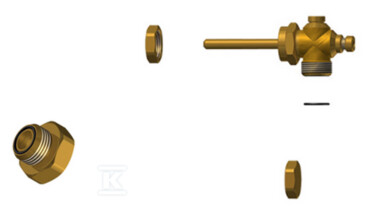
The kit includes a temperature sensor housing equipped with a KS 1/2″ air vent, which enables proper circulation of the heating medium and temperature control in the collector. Two KS 3/4″ plugs are used to tightly seal unnecessary connections, ensuring the tightness of the entire hydraulic system.
A key element is the ¾″/1/2″ reducer, which allows for flexible adaptation of different pipe diameters in the solar installation. This element is particularly important during the modernization of existing heating systems, where different thread standards may occur.
Application in solar installations
The kit has been specifically designed for single flat collectors, where precise connection to the supply and return of the heating installation is required. The temperature sensor housing provides an ideal shield for the thermometer, protecting it from direct contact with the heating medium while ensuring accurate temperature measurement.
The KS 1/2″ air vent allows for manual removal of air from the system, which prevents the formation of air pockets that could disrupt the proper circulation of the heating fluid through the solar collector.
Materials and structural durability
All elements of the kit are made of corrosion-resistant materials and are resistant to the high temperatures typical for solar installations. The plugs are made of brass - a material with high resistance to electrochemical corrosion occurring in solar systems using glycol as a heat carrier.
The sensor housing has been designed to ensure long-term tightness of the hydraulic system, eliminating the risk of heating medium leaks throughout the many years of solar installation operation.