Inductive sensors
(59 )
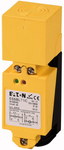
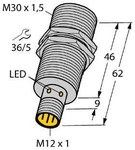
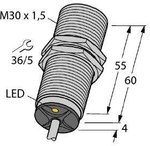
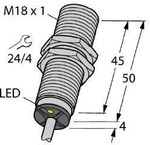
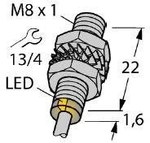
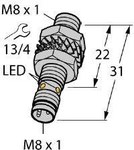
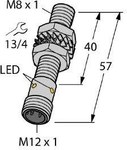
(1)
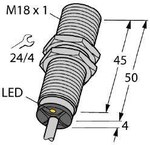
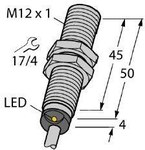
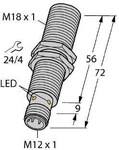
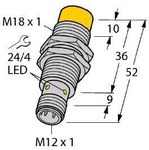
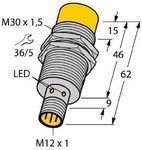
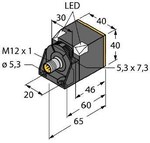
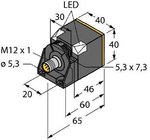
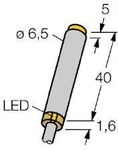
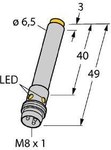
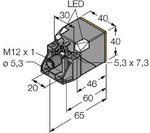
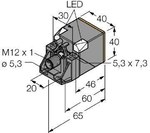
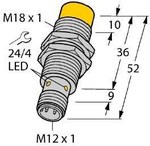
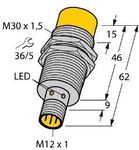
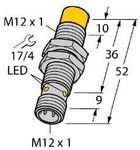
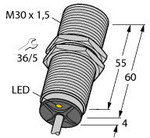
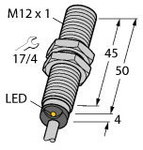
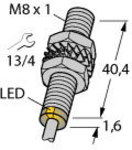
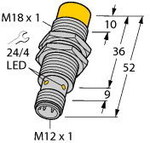
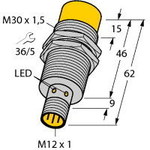
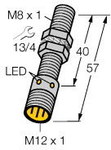
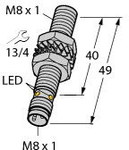
Inductive sensors - essential elements of industrial automation
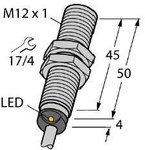
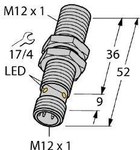
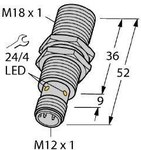
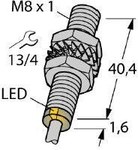
Inductive sensors are key components in modern automation systems. They are used to detect the presence of metal objects without physical contact. At Onninen we offer a wide selection of these precise devices. Our products are characterized by high reliability and detection accuracy. They are used in many industries. They can be found in production lines, packaging machines or transport systems.
Our offer includes inductive sensors from renowned brands. Among them are devices from Eaton and Turck. These brands are famous for innovative solutions and durability of products. Thanks to this, we can guarantee the highest quality to our customers. It is worth paying attention to the variety of available models. We have sensors with different detection ranges and housing sizes. Versions with different types of outputs and supply voltages are also available.
Types and applications of inductive sensors
Inductive sensors are divided into several basic categories. These include:
- Cylindrical sensors
- Rectangular sensors
- Ring sensors
- High temperature resistant sensors
- Sensors for explosion hazard zones
Each type of inductive sensor has its unique characteristics and areas of application. Cylindrical ones work well in confined spaces. Rectangular ones offer a greater detection range. Annular ones are ideal for controlling the flow of materials. Those resistant to high temperatures are used in industrial furnaces. On the other hand, sensors for Ex zones ensure safety in hazardous environments.
In everyday practice, we observe a growing demand for these devices. Many customers ask about their application possibilities. Inductive sensors are used in various industries. They are used in the automotive industry to control the position of parts. In the food industry, they monitor packaging processes. In the logistics industry, they help sort shipments. Their versatility makes them indispensable in modern automation.
Selection and installation of inductive sensors
Choosing the right inductive sensor requires care. There are several key parameters to consider:
- Detection range
- Size and shape of the housing
- Output type (PNP/NPN, NO/NC)
- Supply voltage
- IP protection class
- Resistance to environmental conditions
The correct selection of the sensor is crucial for the efficiency of the entire system. At Onninen, we help our clients choose the best solutions. Our specialists advise based on the specifics of the application. This way, the client receives a product that is perfectly tailored to their needs.
Installing inductive sensors requires some technical knowledge. It is important to properly position the sensor relative to the object. You should also ensure the correct electrical connection. Our offer includes mounting accessories. They facilitate precise sensor positioning. We also offer connecting cables and connectors. They ensure a reliable connection to the control system.
We recently completed a project for a large production plant. The client needed sensors to control the presence of parts on the tape. We used Turck inductive sensors with increased resistance. They proved to be excellent in difficult industrial conditions. Thanks to them, the client optimized the production process. The number of downtimes and defective products decreased.
When modernizing production lines, we often advise replacing older sensors. Newer models offer better precision and reliability. They also allow for integration with modern control systems. This translates into increased efficiency of the entire installation.
Innovations in the field of inductive sensors
Inductive sensor technology is constantly evolving. Manufacturers are introducing new solutions. Among them, it is worth mentioning:
- Sensors with IO-Link communication
- Programmable sensors
- Models with advanced diagnostic functions
- Sensors with increased resistance to interference
Sensors with IO-Link enable advanced communication with the control system. They allow remote configuration and diagnostics. This significantly simplifies integration and servicing. Programmable models allow for adjustment of parameters to a specific application. This increases their versatility and efficiency.
Extended diagnostic functions are another trend in sensor development. They allow for early detection of potential problems. This allows for avoiding unplanned downtime. This is crucial in plants operating in continuous mode. Increased immunity to interference is a response to the increasing complexity of industrial environments. New sensor models cope better with electromagnetic interference.
At Onninen, we follow these trends and constantly update our offer. Thanks to this, our customers have access to the latest solutions. This allows them to continuously improve their production processes. As a result, they increase their competitiveness on the market.
It is worth mentioning inductive sensors with AC power supply. These models are used in specific applications. They work well where only AC power is available. They offer similar functions to their DC counterparts. However, they require a slightly different approach to designing control systems.
Our experience shows that investing in high-quality sensors pays off. The initial higher cost pays off in reliability and long operating time. This translates into lower maintenance and service costs. This is particularly important in critical production processes.
In summary, inductive sensors are fundamental elements of modern automation. Their correct selection and application can significantly affect the efficiency of processes. At Onninen, we offer not only a wide selection of products, but also professional advice. We invite you to contact our specialists. They will help you choose the optimal solutions for each application.