A well-designed bathroom for children is safe, ergonomic, easy to clean, and appealing to children's tastes. A child learns independence faster when the space is adapted to their height and abilities, and caregivers gain peace of mind when the risk of slipping, burning, or contact with chemicals is reduced to practically zero. We have prepared a guide explaining how to create a safe and comfortable bathroom for the youngest.

Check out the bathroom for children at Onninen warehouse
Water temperature control
Burns from water in the sink, shower, or bathtub are a real threat to the youngest. The safest solution is to install thermostatic faucets in these areas. They provide a constant, comfortable water temperature. The thermostatic head allows for precise temperature setting of the stream, and the lock function at 38-44 ˚C prevents burns. Thermostatic faucets also help save water, as the outgoing stream immediately has the optimal temperature. There’s no need to wait or adjust for a long time. And if you want to make the shower more attractive, replace the traditional showerhead with a Hansgrohe Jocolino crocodile-shaped showerhead.
Non-slip and easy-to-clean surfaces
The floors in a children's bathroom should promote safety. Use non-slip floor tiles with enhanced grip, especially in wet areas and those prone to splashes. At the same time, choose materials that are easy to clean. Mats, especially those by the shower and bathtub, should have a rubberized bottom. If possible, avoid thresholds and large drops. A recommended solution for a children's bathroom is a walk-in shower with a safe, threshold-free entrance.
WC area adapted to the child's needs
Toilets in children's bathrooms should be appropriately designed and installed at the right height to support the youngest in using the toilet and facilitate hygiene maintenance. A recommended solution is a wall-mounted rimless model – without a flushing edge, e.g., wall-mounted toilet for children Geberit Bambini Rimfree. The toilet should be installed at a height of 35 cm – optimal for a child. Wall-mounted ceramics make it easier to maintain cleanliness in the bathroom. The toilet seat should be chosen to be equally easy to clean, hygienic, and ergonomically designed. A soft-close seat is best, as it prevents finger pinching. The flush button should also be at the appropriate height so that the child can easily use the flush. If you decide on a standard toilet and universal mounting height, ensure you have a special seat cover and a safe step stool.
Washbasin area promoting healthy habits
In children's bathrooms, specially designed washbasins with rounded, safe edges, made from durable materials, installed at a lower level work great. For example, washbasin for children Geberit Bambini B90, mounted at a height of 45-60 cm, should make learning daily hygiene not only easier but also much more enjoyable. If you want a washbasin with a factory-made tap hole, remember that it should be located closer than standard – the handle must be within reach of small hands.
Child-friendly storage
A children's bathroom must include furniture for storing cosmetics, towels, toys 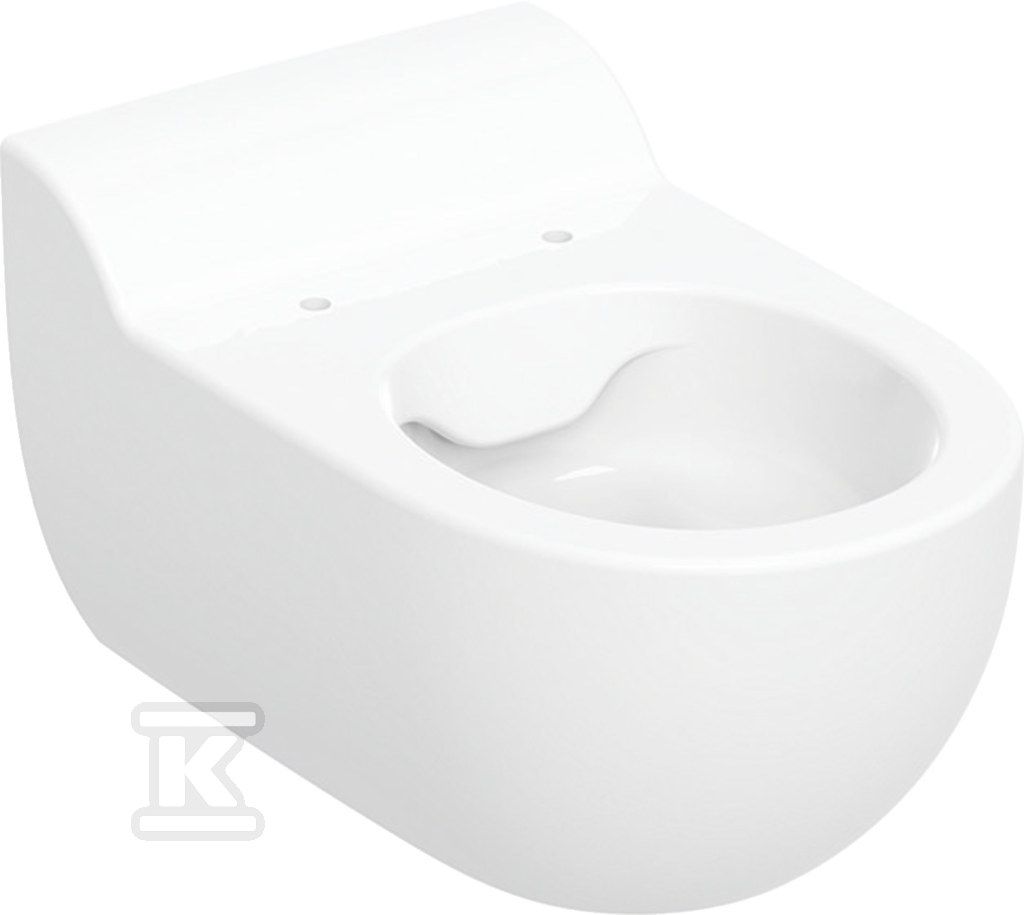 for bathing, accessories, etc. The room should have both furniture that the child can access freely and cabinets locked with a key or high-mounted shelves, out of reach of curious hands. The latter are used to store cleaning agents, sharp accessories, and other products that are dangerous for children.
Rules for designing children's bathrooms in educational institutions
Bathrooms in kindergartens and nurseries must meet a number of requirements outlined in national law, including the Education Law and regulations. There is not as much freedom here as in home bathrooms.
Equipment for children's bathrooms at Onninen warehouse
Professionals and individual customers looking for high-quality solutions for children's bathrooms and for people with special needs will find complete equipment at the Onninen sanitary warehouse: from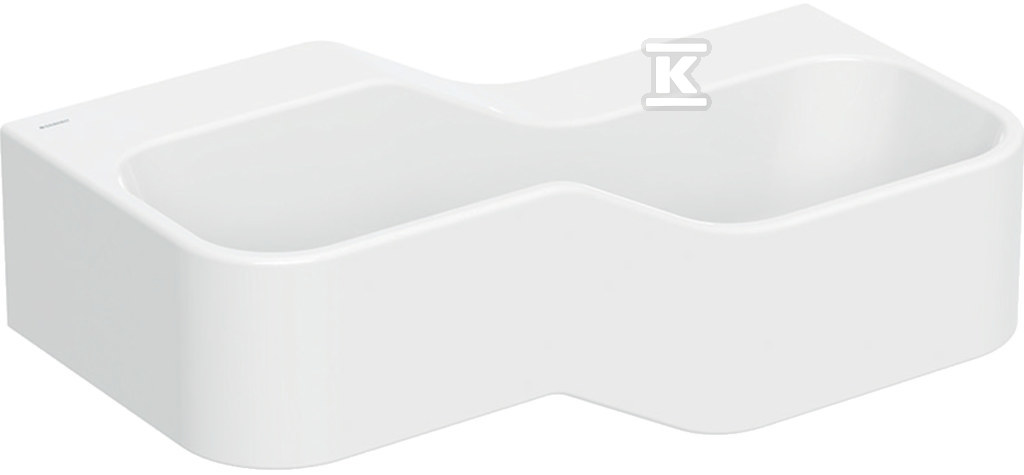 fittings, through sanitary ceramics, to finishing materials.
Need help choosing bathroom equipment? Consult your purchase with an Onninen specialist.
FAQ
1. What bathroom faucets are the safest for children?
Thermostatic faucets, as they maintain a constant stream temperature and often have a lock to prevent hot water from flowing (e.g., at 38°C), which prevents burns and water wastage due to adjustments.
2. How does children's sanitary ceramics differ from standard ones?
Children's ceramics usually have reduced dimensions and ergonomic, rounded shapes. They are also resistant to intensive use and easy to clean. They are installed at a lower height to facilitate independent use by toddlers.
3. Where to store chemicals in a children's bathroom?
If the bathroom is used exclusively by children, no dangerous chemicals should be present. However, in a family or publicly accessible bathroom, chemicals should be stored high or in a locked cabinet.
4. Can a kindergarten bathroom be designed freely?
No. The room must meet a number of legal and sanitary requirements resulting from laws and regulations. This ensures that the bathroom is safe and promotes independence. Regulations specify, among other things, the height of sanitary device installation and the method of wall finishing.
5. What toilet seat should be chosen for a children's toilet bowl?
A hard soft-close seat with sturdy metal hinges that increase stability and prevent unwanted shifting will work well. It can be colorful to diversify the WC area.