Modern building automation in HVAC installations today forms the foundation of effective energy management in every facility. At Onninen, we observe a growing interest from our clients - professional installers - in advanced control systems that allow for energy savings of up to 40-50% compared to conventional solutions.
As a market leader in installation, we offer comprehensive automation solutions for heating, ventilation, and air conditioning systems. Our many years of experience show that properly designed HVAC automation not only ensures user comfort but primarily translates into significant reductions in building operating costs.
In Onninen's assortment, you will find HVAC automation solutions that enable intelligent control of all installation elements - from room thermostats to advanced controllers for central building management systems.

Check automation and accessories at Onninen warehouse
Why HVAC automation is crucial for energy efficiency
HVAC systems account for over 55% of total energy consumption in buildings. Without proper control, these installations often operate inefficiently - unnecessarily heating empty rooms, maintaining constant parameters regardless of external conditions or the number of users.
Our team of experts emphasizes that modern building automation operates based on continuous monitoring of environmental parameters. Temperature, humidity, motion, and air quality sensors transmit data to controllers that optimize the operation of the installation in real-time.
Benefits of using HVAC automation
- Reduction of energy consumption by 30-50% by adjusting the operation of installations to actual needs
- Elimination of waste through automatic shutdown of systems in unused areas
- Optimization of device operation based on weather forecasts and usage schedules
- Extension of device lifespan due to even load distribution
- Improvement of user comfort while minimizing costs
How modern HVAC controllers optimize energy consumption
Onninen offers HVAC controllers that utilize advanced learning algorithms.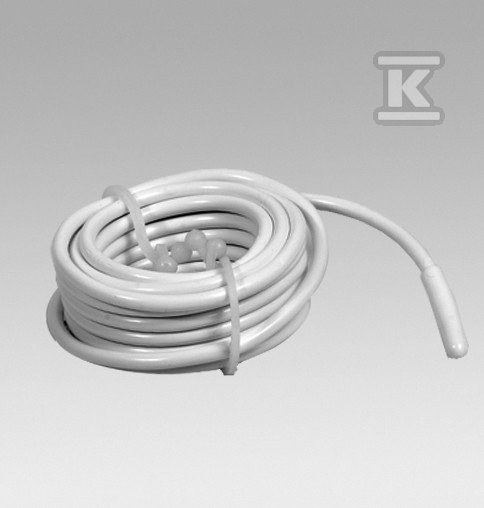 These intelligent systems analyze building usage patterns, weather conditions, and the thermal characteristics of the facility to forecast heating or cooling demand.
Technologies used in HVAC automation
PID controllers (proportional-integral-derivative) are the heart of modern control systems. They provide smooth temperature regulation without abrupt changes that cause energy losses. Our systems also offer predictive functions that anticipate changes in thermal load based on historical data.
Particularly important is integration with BMS (Building Management Systems). In Onninen's assortment, you will find controllers compatible with communication protocols such as BACnet, LonWorks, or Modbus, which enable central management of all building installations.
| Controller Type | Application | Energy Savings |
|---|---|---|
| Room thermostats | Local temperature control | 15-25% |
| Zone controllers | Management of multiple rooms | 25-35% |
| Central BMS | Comprehensive building management | 35-50% |
Underfloor heating automation systems in Onninen's offer
Professional underfloor heating installations require precise temperature control in each zone. Purmo automation and accessories available in our offer provide optimal thermal conditions with minimal energy consumption.
Advanced features of underfloor heating automation
Underfloor heating controllers in our assortment offer zone temperature management, allowing independent control of each room. Thermoelectric actuators mounted on distributors automatically regulate the flow of the heating medium according to demand.
In Onninen's offer, you will also find automation and accessories for other systems of underfloor heating, which allow integration of different brands of devices into one control system.
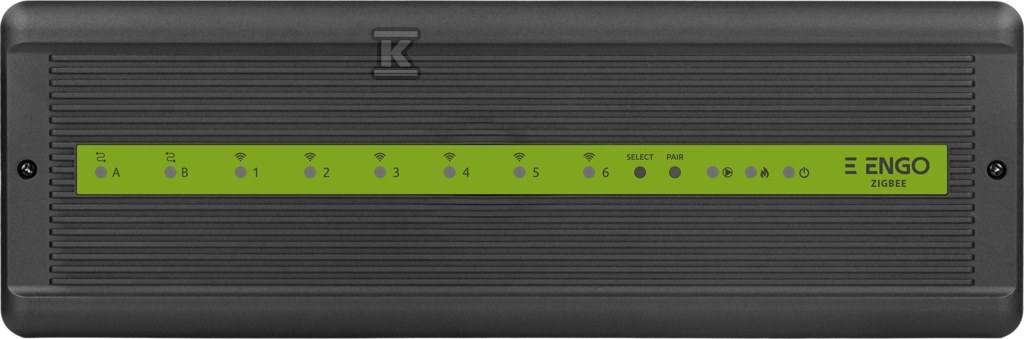 Our underfloor heating automation solutions feature energy savings of 20-30% compared to traditional heating systems, thanks to the ability to maintain lower temperatures while ensuring thermal comfort.
Intelligent air quality management in HVAC systems
Modern HVAC automation is not only temperature control but primarily air quality management. The controllers in our offer work with CO₂, VOC (volatile organic compounds) sensors, and PM particle detectors, ensuring optimal air exchange.
Demand-controlled ventilation systems
DCV (Demand Controlled Ventilation) algorithms available in the automation systems from Onninen allow for dynamic adjustment of ventilation performance based on actual needs. When the CO₂ level in the room rises, the system automatically increases ventilation intensity, and when parameters return to normal - it reduces it.
This solution allows for energy savings of 40-60% compared to ventilation operating at a constant performance. At the same time, it ensures optimal conditions for users without the risk of excessive air exchange.
Heat recovery with automatic control
Recoverers with automatic control available in Onninen's assortment can recover up to 95% of thermal energy from exhaust air. The key to achieving such efficiency is precise control of the exchanger's operating parameters.
Recoverer controllers monitor the temperature difference between the exhaust and supply air, automatically adjusting the fan performance and the position of bypass dampers. During mid-season periods, when the external temperature allows for natural cooling, the system automatically switches to free-cooling mode, minimizing energy consumption.
Frequently Asked Questions
1. How much can be saved with HVAC automation?
Energy savings reach 30-50% with properly designed HVAC automation. The exact amount of savings depends on the type of building, the type of installation, and the control solutions used. Systems with predictive and learning functions can achieve even higher savings.
2. What sensors are essential in HVAC automation?
The basic sensors are: temperature, humidity, CO₂, motion, and air quality (VOC). Additionally, pressure, flow sensors, and presence detectors are useful. Onninen offers sensor sets compatible with various control systems.
3. Does HVAC automation require special qualifications for installation?
The installation of HVAC automation should be performed by an installer with the appropriate qualifications. It requires knowledge of control systems, communication protocols, and programming skills for controllers. Our technical team provides support during the design and commissioning of systems.
4. How often should HVAC automation be serviced?
HVAC automation should be reviewed every 6-12 months. This includes checking sensors, calibration, software updates, and checking communication between devices. Regular servicing ensures optimal system efficiency and extends the lifespan of devices.
5. What communication protocols are used in HVAC automation?
The most popular protocols are BACnet, LonWorks, Modbus, and KNX. The choice of protocol depends on the size of the installation, integration requirements, and budget. Onninen offers controllers compatible with various communication standards.
6. Does HVAC automation work in small facilities?
Yes, HVAC automation is cost-effective even in small residential buildings. Simple programmable thermostats or underfloor heating controllers can generate savings of 15-25%. Investment costs usually pay off within 2-4 years of operation.
The future of HVAC automation - smart buildings
As a leader in the installation industry in Poland, we observe a growing trend of integrating HVAC systems with IoT platforms and artificial intelligence. The modern controllers in our offer already provide machine learning functions that allow for continuous optimization of installation operation.
Predictive maintenance systems analyze the operating parameters of devices, anticipating the need for maintenance before a failure occurs. This translates into a 25-30% increase in installation reliability and a reduction in operating costs.
At Onninen, we focus on future solutions - we offer controllers compatible with cloud computing, enabling remote management of HVAC installations from anywhere in the world. Our specialists provide comprehensive support in designing, selecting, and implementing modern building automation systems.
We invite you to contact our experts at Onninen branches across Poland. We will help you choose optimal HVAC automation solutions that ensure maximum energy efficiency while maintaining the highest user comfort.