The correct selection of a manometer for heating or water installations is a key element ensuring the safe and efficient operation of the entire system. At Onninen, as a leader in the distribution of installation solutions, we know that a properly selected heating installation manometer not only allows for precise pressure monitoring but also protects against failures and extends the lifespan of the installation.
Our many years of experience in the installation industry show that incorrect selection of a manometer can lead to serious operational problems. A measurement range that is too small risks damaging the device during sudden pressure spikes, while a range that is too large negatively affects the accuracy of readings. Professional installers working with Onninen emphasize the importance of properly selecting technical parameters to the specifics of a particular installation.
In Onninen's assortment, you will find a comprehensive range of manometers from renowned manufacturers, tailored for various applications in heating and water installations. Our technical advice helps in the optimal selection of the device, taking into account all installation parameters and operating conditions.
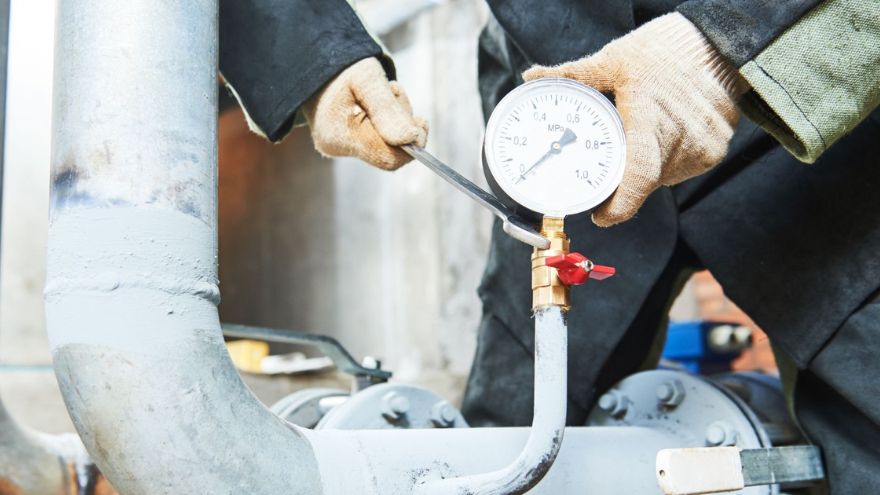
Check manometers at Onninen warehouse
Basic principles for selecting a manometer for installation
The selection of a manometer is a process that requires analyzing several key technical parameters. In our experience, the most important factor is the measurement range, which should be appropriately selected for the working pressure of the installation. Manufacturers recommend that the working pressure should not exceed 75% of the maximum value on the manometer scale.
Measurement range - a key selection parameter
In heating installations, the pressure usually ranges from 1.5 to 2.5 bar, so we recommend manometers with a range of 0-4 bar or 0-6 bar. For water installations, where the pressure can reach 6 bar, an optimal range would be 0-10 bar. From our offer, manometers are available in a wide spectrum of measurement ranges.
Accuracy class of the manometer
The accuracy class defines the maximum indication error expressed as a percentage of the full measurement range. In heating installations, manometers of class 2.5 or 1.6 are typically used. For applications requiring higher precision, we recommend manometers of class 1.0.
| Accuracy class | Maximum error | Application |
|---|---|---|
| 0.6 | ±0.6% | Control measurements, calibration |
| 1.0 | ±1.0% | Industrial installations |
| 1.6 | ±1.6% | Heating installations requiring |
| 2.5 | ±2.5% | Standard heating installations |
Types of manometers - dry vs glycerin-filled
Onninen offers two basic types of manometers: dry and glycerin-filled. Each has its specific applications and advantages.
Dry manometers - standard solution
Dry manometers are the most popular solution in heating and water installations. They feature a simple design, low cost, and sufficient precision for most applications. From our assortment, water manometers in the dry version perform excellently in stable operating conditions.
Glycerin-filled manometers - protection against vibrations
Glycerin-filled manometers contain glycerin in the housing, which dampens the pointer vibrations and protects the mechanism from damage. We particularly recommend them in locations exposed to vibrations, such as rooms with pumps or near mechanical devices. Glycerin also extends the lifespan of the manometer by reducing wear on the internal mechanism.
- Use in areas with high pressure dynamics
- Protection against shocks and vibrations
- Extended lifespan of the mechanism
- Better readability of readings in difficult conditions
Specifics of selection for different types of installations
Each type of installation requires an individual approach to the selection of a manometer. Our experience shows significant differences in requirements between heating and water installations.
Manometers for heating installations
In central heating installations, the working pressure usually ranges from 1.5 to 2.5 bar. For such parameters, an optimal manometer would have a range of 0-4 bar or 0-6 bar. It is also important to consider the working temperature - standard manometers operate at temperatures up to 80°C, while high-temperature models can withstand up to 200°C.
From Onninen's assortment, we recommend heating manometers with a diameter of 63mm or 80mm, which provide good readability of readings. WIKA manometers from our offer are characterized by exceptional reliability and precision.
Manometers for water installations
Water installations are characterized by higher working pressure (3-6 bar) and the possibility of pressure spikes. For such conditions, we recommend manometers with a range of 0-10 bar. It is also crucial to consider water quality - in the case of chemically aggressive water, manometers made of stainless steel should be used.
Technical and construction parameters
When selecting a manometer, construction parameters that affect the installation and operation possibilities of the device are also important.
Housing diameter and readability
Onninen offers manometers with diameters of 50mm, 63mm, 80mm, and 100mm. A diameter of 63mm is standard in heating installations, providing good readability at reasonable dimensions. For applications requiring readings from a greater distance, we recommend diameters of 80mm or 100mm.
Type of connection
Manometers are available with radial (bottom) or axial (rear) connections. The choice depends on the specifics of the installation. Radial connections are standard in horizontal installations, while axial connections are suitable for vertical mounting.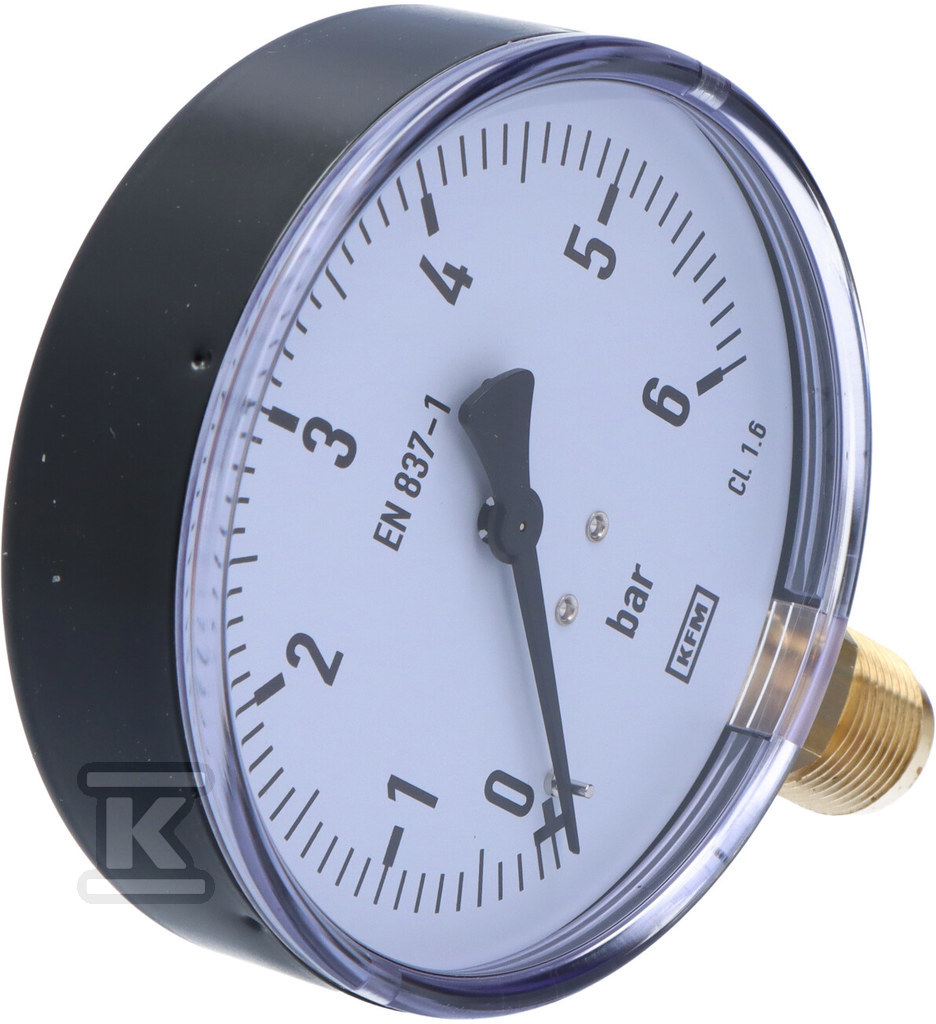
Material of construction
- Steel housing - standard in heating installations
- Stainless steel housing - for aggressive media
- Brass mechanism - compatible with most media
- NBR seals - for standard applications
Installation and operation of manometers
Proper installation of the manometer is crucial for its long and reliable operation. Our experience shows that most operational problems arise from installation errors.
Principles of proper installation
The manometer should be installed in a location easily accessible for reading, away from heat sources and vibrations. Manometric valves must be used, allowing the manometer to be disconnected for maintenance without draining the installation. In installations with pulsating pressure, we additionally recommend using pulsation dampers.
Maintenance and calibration
Manometers in heating and water installations should be regularly checked for accuracy of indications. We recommend annual visual inspections and calibration every 2-3 years for class 2.5 manometers, and more frequently for higher accuracy classes.
Frequently asked questions
1. What measurement range of the manometer should I choose for a heating installation?
For a heating installation, we recommend a manometer with a range of 0-4 bar or 0-6 bar. The working pressure in central heating systems usually ranges from 1.5 to 2.5 bar, so this range provides a safe margin and accuracy of readings. The principle states that the working pressure should not exceed 75% of the maximum scale value.
2. When should I use a glycerin-filled manometer instead of a dry one?
A glycerin-filled manometer is used in locations exposed to vibrations and shocks. Glycerin dampens the pointer vibrations, protects the mechanism from damage, and extends the lifespan of the device. We recommend them in rooms with pumps, near mechanical devices, and anywhere there is a high dynamics of pressure changes.
3. What diameter of the manometer should I choose for a home installation?
For home installations, an optimal diameter is 63mm. It provides good readability of readings at reasonable dimensions and cost. For boiler rooms, where readings are taken from a greater distance, a diameter of 80mm can be considered. Smaller diameters (50mm) are used only in limited spaces.
4. What does the accuracy class of a manometer mean?
The accuracy class defines the maximum indication error in percentage of the full measurement range. Class 2.5 means an error of ±2.5%, class 1.6 is ±1.6%, and class 1.0 is ±1.0%. In standard heating installations, class 2.5 is sufficient, while higher accuracy classes are used for control measurements.
5. Is a water manometer different from a heating manometer?
The main difference is the measurement range and resistance to the medium. Water manometers have a higher range (usually 0-10 bar) due to the higher pressure in water installations. For chemically aggressive water, stainless steel manometers are used, while standard brass versions are sufficient for heating installations.
6. How often should the accuracy of the manometer be checked?
Annual visual inspections and calibration every 2-3 years are recommended. Visual inspections include checking the housing for leaks, readability of the scale, and smooth movement of the pointer. Professional calibration should be performed more frequently for high-accuracy manometers used for control measurements.
7. Can the same manometer be used for different media?
Yes, provided that the materials are compatible with the measuring medium. Standard manometers with brass mechanisms are suitable for water, glycols, and non-aggressive gases. For corrosive media or high temperatures, manometers in special material constructions or with membrane separators should be used.
Professional advice - an investment in reliability
The correct selection of a manometer is an investment in the safety and efficiency of the entire installation. At Onninen, we offer not only high-quality manometers from renowned manufacturers but also professional technical advice that will help in the optimal selection of the device.
Our branches throughout Poland ensure product availability on hand and support from specialists with many years of experience in the installation industry. As a leader in the installation market, we guarantee that you will receive a device perfectly matched to the specifics of your installation.
We invite you to take advantage of the wide range of manometers offered by Onninen. Our measurement solutions will contribute to increasing the efficiency and safety of installations, and comprehensive advice will ensure optimal selection for every application. More information can also be found in our article on manometers, where we discuss in detail the principles of operation and applications of these devices.