Starting from October 2025, a deposit system will be in effect in Poland – a program promoting recycling and the reuse of the same packaging. Beverages with special packaging marked with a deposit symbol and amount have already started appearing in stores. How does the deposit system work? Why was it introduced? What packaging does it cover? And how might it affect your kitchen and purchasing decisions? Experts from Onninen provide answers.
Check kitchen equipment at Onninen wholesale
How does the deposit system work in Poland?
As mentioned at the beginning, since October of this year, beverages in specially marked packaging have started appearing on store shelves. When purchasing a drink with the deposit system logo, a deposit will be charged, which the cashier will add to the stated price when paying for the product. You can easily recover the deposit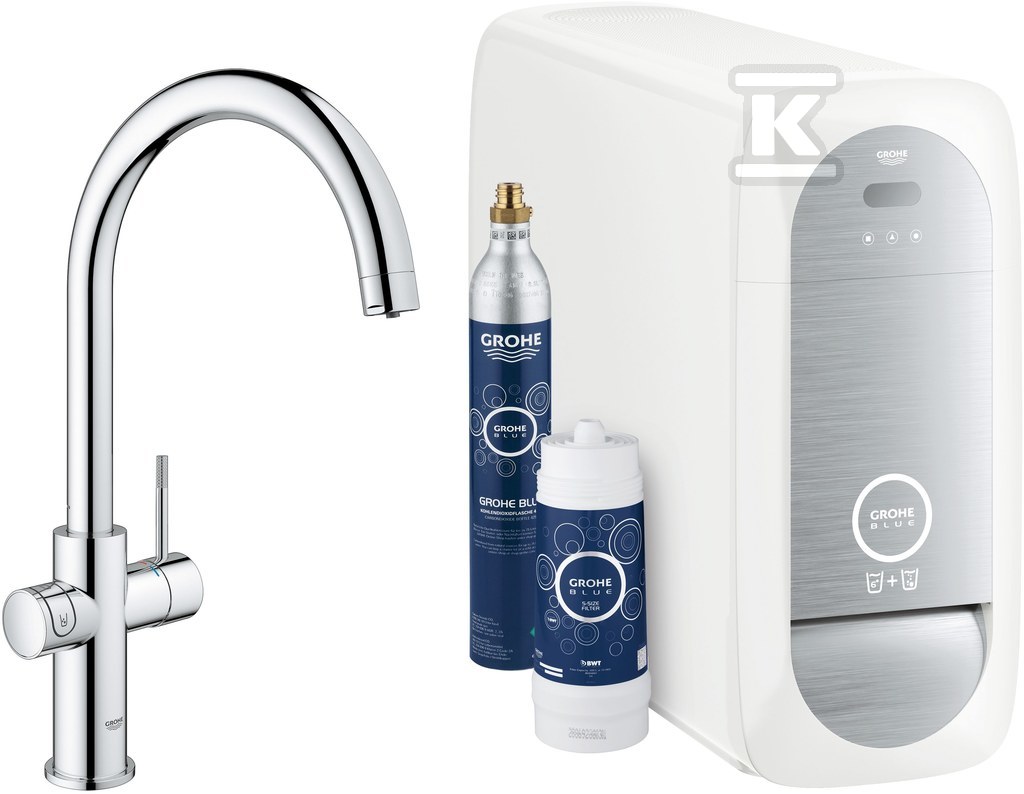 by returning the uncrushed packaging at any collection point. Every large store or wholesale (with a minimum area of 200 m2) is required to accept your packaging and return the deposit to you. Of course, you can also recover the deposit at many smaller stores. There must be at least one stationary point in each municipality. Returns will also be possible through special machines, which are systematically increasing on the streets. Importantly and revolutionary, you do NOT need to show a receipt when returning!
Why was the deposit system introduced in Poland?
Deposit systems are standard in Europe. They are already used by 180 million Europeans. They bring numerous ecological benefits, such as resource savings, a cleaner environment, shaping proper waste segregation habits, and promoting a conscious approach to packaging as a valuable material. Thanks to such programs, most reusable packaging can return to the entities that introduced them to the market and then re-enter circulation – even a dozen times!
What packaging is covered by the deposit system in Poland?
The deposit system covers packaging made of plastic, metal, and glass, i.e., plastic and glass bottles 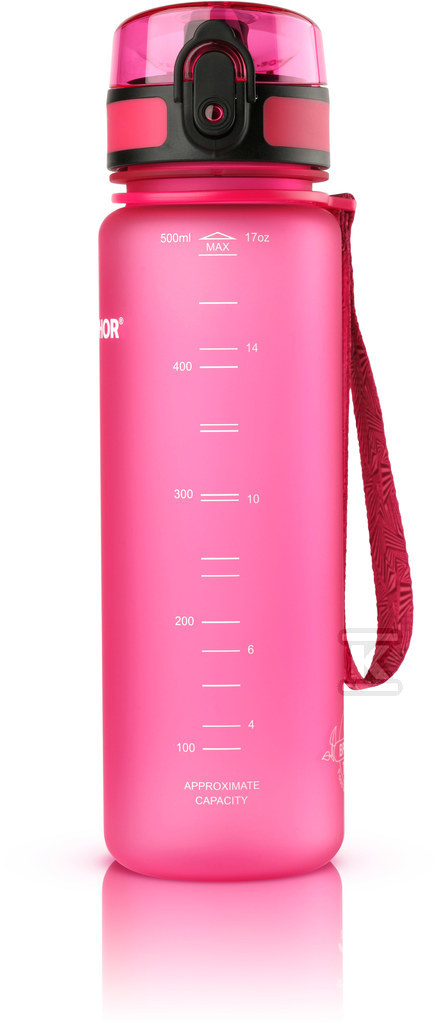 as well as metal cans, as studies show they are among the most harmful types of waste for the environment. According to the program's assumptions:
- plastic bottles with a capacity of up to 3 liters are subject to a deposit of 50 groszy,
- metal cans with a capacity of up to 1 liter are subject to a deposit of 50 groszy,
- reusable glass bottles with a capacity of up to 1.5 liters are subject to a deposit of 1 złoty.
What will the deposit system change in your kitchen?
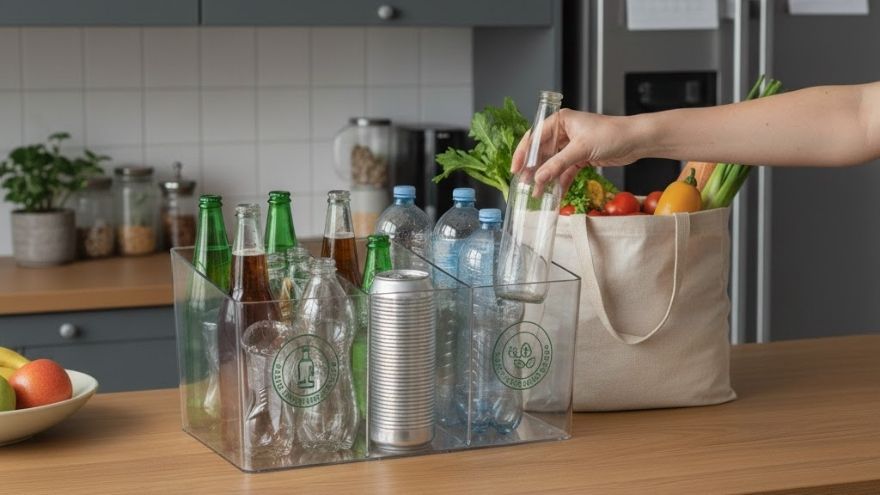
You will pay a bit more at the checkout for beverages in packaging with the deposit system logo, but you will recover the deposit when you return the empty, undamaged packaging. This means you will need to adjust your kitchen to store empty bottles and cans, which can take up quite a bit of space without crushing – especially if you regularly buy beverages in packaging covered by the system. It is worth placing a separate box, container, or bin in the room for storing packaging for return.
If you want to reduce the number of packages covered by the deposit system, and thus save money, space in the kitchen, and time needed for returns, you can implement several practical and eco-friendly solutions.
- Invest in a kitchen faucet with a water filter, e.g., in the Grohe Blue Home starter kit. You will gain a private, unlimited, and constantly available source of drinking water, not only still but also lightly sparkling or sparkling.
- Use filter jugs, e.g., the elegant Aquaphor filter jug. You will reduce expenses on purchasing bottled water and the number of packages on the countertop, limit returns, and communicate your ecological awareness to your surroundings.
- If you often drink water outside the home, a reusable filter bottle is a must-have. With it, you will save money and time and always have fresh water at hand, e.g., while traveling, at the gym, or outdoors. Filter bottles are increasingly serving as a design accessory. For women, the ideal choice will be the Aquaphor City pink filter bottle, and for men - Aquaphor City navy blue filter bottle.
How will the deposit system affect your daily shopping?
Prepare for a change in shopping habits. You may find yourself choosing beverages in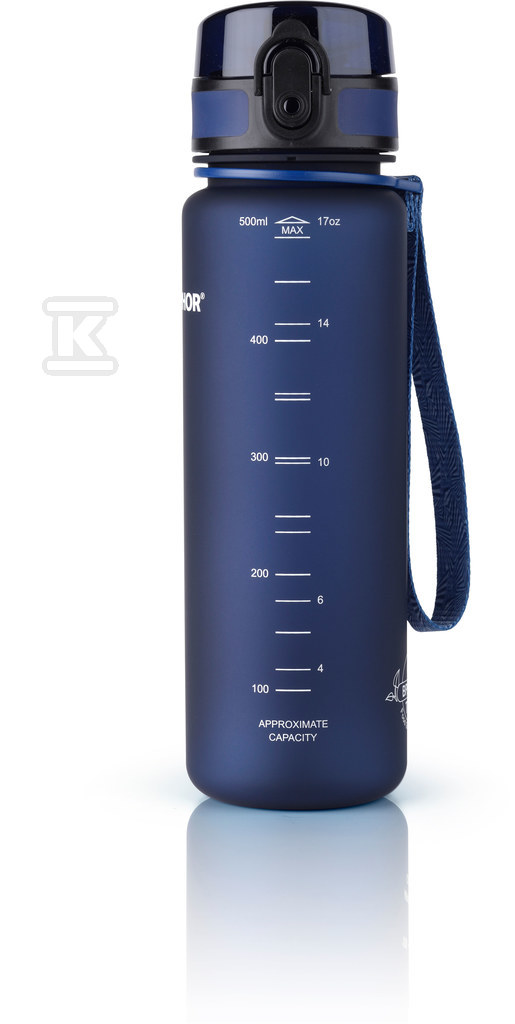 larger packages more often to avoid deposits and returns, or conversely – the deposit system may become your habit, and you will only reach for products covered by it. You will likely also start comparing prices of “with deposit” and “without deposit” beverages. The purchase of beverages in bottles and cans with the deposit system logo is intended to be more cost-effective, but it is always worth comparing.
Solutions available at the Onninen plumbing wholesale will help you adapt your kitchen to the deposit system and change your daily shopping habits. We offer comprehensive kitchen equipment, including filter jugs and kitchen filters, filter bottles, and kitchen faucets with water filters. If you have any questions, we are here to help.
FAQ
1. Who must accept packaging covered by the deposit system?
Mainly large stores, i.e., those with an area of over 200 m².
2. What determines the amount of the deposit charged?
It depends on the type, material, and capacity of the packaging. Plastic bottles up to 3 liters and metal cans up to 1 liter are subject to a deposit of 0.50 zł, while glass bottles up to 1.5 liters are subject to a deposit of 1 zł.
3. Do you need to show a receipt when returning packaging?
No.
4. Can damaged or crushed packaging be returned?
As a rule - no. Returned packaging should be in a condition that allows identification and complies with other system requirements.
5. What should you have in your kitchen after implementing the deposit system?
At home - a kitchen faucet with a water filter or a filter jug, and outside the home, a filter bottle. Remember to regularly replace the filter.