Choosing the right heat buffer for a single-family home is one of the key decisions when designing an efficient heating system. At Onninen, we often encounter the question: is a 100l buffer sufficient for a single-family home? The answer is not straightforward and depends on many technical factors and the specifics of the building.
As experts in heating installations with many years of experience in technical consulting, we analyze the practical applications of 100-liter buffers in real operating conditions. From our experience, a 100l buffer can be an optimal solution in certain situations, but it requires precise matching to the parameters of the building.
We will check when such capacity is sufficient and when it is worth considering a larger buffer tank from our offer of buffer tanks and accessories.

Check buffer tanks and accessories at Onninen warehouse
Why a 100l buffer may be sufficient for a small house
A 100l buffer works perfectly in compact single-family homes with an area of up to 80-100 m² with good thermal insulation. From our experience as a market leader in installations, we know that such a tank can effectively serve systems with powers of up to 5-8 kW.
Technical parameters of 100l buffers in Onninen's offer
In our assortment, you will find 100l buffers made of high-quality materials, characterized by:
- Solid steel construction resistant to corrosion
- Effective polyurethane insulation minimizing heat loss
- Universal connections for various heat sources
- Compact dimensions ideal for small boiler rooms
Practical applications of 100l buffers
We recommend using a 100l buffer in the following configurations:
| Type of installation | Heat source power | House area | Application rating |
|---|---|---|---|
| Heat pump | Up to 8 kW | 60-100 m² | Optimal |
| Gas boiler | Up to 12 kW | 80-120 m² | Sufficient |
| Pellet boiler | Up to 10 kW | 70-110 m² |
When a 100l buffer may prove insufficient
In larger single-family homes, a 100l buffer may not provide optimal operating conditions for the heating system. From our practice, we find that capacity limitations become apparent at certain building parameters.
Signals indicating the need for greater capacity
- Frequent boiler starts - more than 6-8 times per hour
- Temperature fluctuations in rooms
- Insufficient hot water supply during high consumption
- High heating bills despite an efficient heat source
In such cases, we recommend considering larger capacity buffers available in our offer of buffer tanks.
Alternative solutions from Onninen's assortment
If a 100l buffer proves insufficient, we offer a wide selection of larger buffer tanks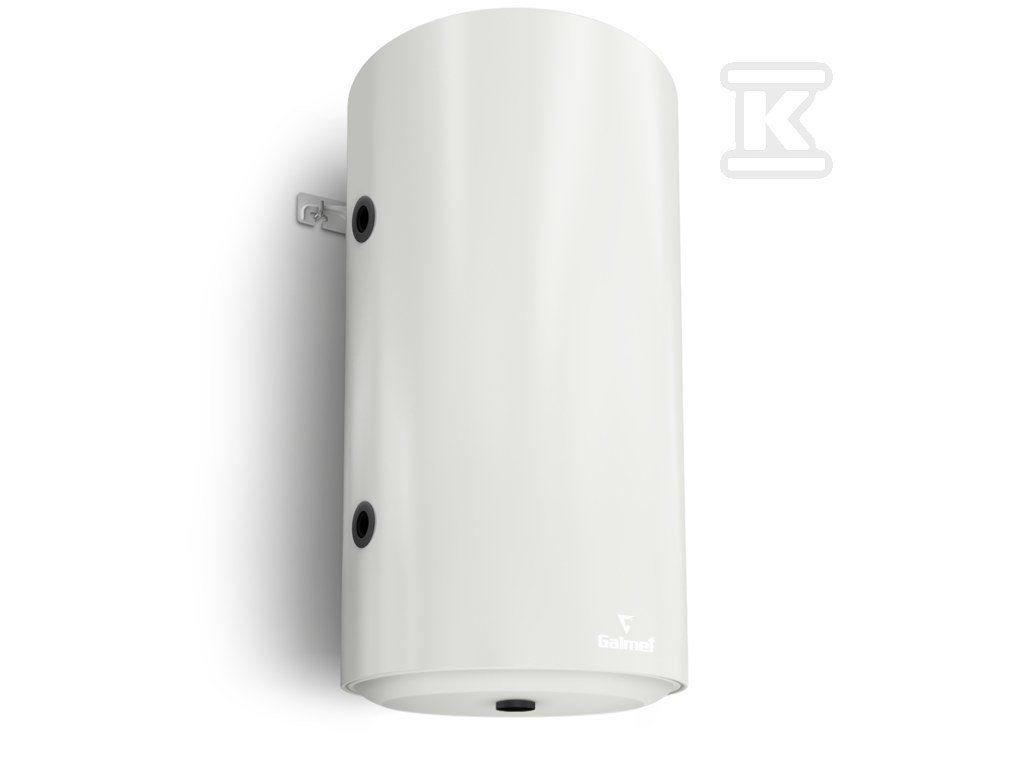 from renowned manufacturers. Our experience shows that for larger homes, optimal capacities are 300-800 liters, depending on the installation specifications.
How to calculate the required buffer capacity for your home
Professional selection of buffer capacity requires analysis of several key parameters. At Onninen, we use proven calculation formulas that guarantee optimal operation of the installation.
Basic calculation formulas
For solid fuel boilers: 50-80 liters for each 1 kW of boiler power
For heat pumps: 20-30 liters for each 1 kW of device power
For gas boilers: 10-20 liters for each 1 kW of boiler power
Factors influencing the choice of capacity
- Thermal insulation of the building - better insulation = smaller required capacity
- Type of heating system - underfloor heating vs. radiators
- Demand for hot water - number of residents and their habits
- Type of heat source - different requirements for different technologies
Installation and mounting of 100l buffers - practical tips
Proper installation of a 100l buffer is a key element ensuring the efficient operation of the entire heating system. In Onninen's offer, you will find both standing and hanging models, adapted to various boiler room conditions.
Room requirements
For 100l buffers, the minimum dimensions of the boiler room are:
- Height: minimum 2.2 m (standing models)
- Area: minimum 4-6 m²
- Service access: 60 cm from each side requiring maintenance
Connection diagram for the 100l buffer
The standard connection includes:
- Supply from the boiler - at the top of the tank
- Return to the boiler - at the bottom of the tank
- Supply to the installation - from the upper hot water zone
- Return from the installation - to the lower zone of the tank
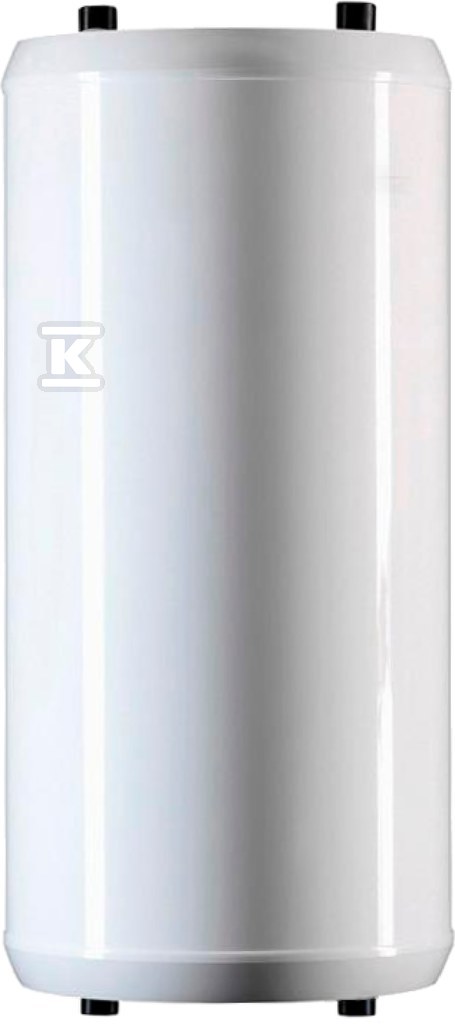 Our branches across Poland provide professional advice on selecting the appropriate installation scheme.
Frequently asked questions
1. How many hours will a 100l buffer last in a single-family home?
A 100l buffer can provide heat for 6-12 hours in a well-insulated house with an area of 80-100 m². This time depends on the outside temperature, the insulation of the building, and the settings of the heating installation. During frost periods, the operating time may shorten to 4-6 hours.
2. Is a 100l buffer sufficient for an 8 kW heat pump?
Yes, a 100l buffer is sufficient for an 8 kW heat pump in a house with an area of up to 100 m². It provides optimal compressor operating cycles and stabilizes the temperature in the installation. For higher powers, we recommend 200-300l buffers from our offer.
3. What are the differences between a hanging and standing 100l buffer?
A hanging 100l buffer saves floor space and makes cleaning the boiler room easier. The standing model is easier to install and has better access to all service connections. Both types offer identical efficiency in heat storage.
4. Can a 100l buffer be expanded with additional functions?
Yes, most 100l buffers from our offer can be equipped with electric heaters, additional temperature sensors, or controllers. Some models have built-in coils for connecting solar collectors or additional heat sources.
5. What are the annual operating costs of a 100l buffer?
A well-insulated 100l buffer generates heat losses of 2-3 kWh per day, resulting in annual costs of about 200-300 PLN. However, due to effective heat storage, it allows saving 15-25% on heating costs compared to a system without a buffer.
6. What temperature can the water in a 100l buffer reach?
100l buffers from Onninen's offer operate safely at temperatures up to 95°C at a working pressure of 3 bar. Typically, the water is heated to 60-80°C, ensuring optimal energy efficiency and operational safety.
Investment in the energy efficiency of the home
A 100l buffer is a solution that works well in many single-family homes, especially those with smaller areas and good thermal insulation. In Onninen's assortment, we offer a wide selection of buffer tanks from renowned manufacturers that ensure long life and effective operation.
From our many years of experience in the installation industry, we find that a properly selected 100l buffer can significantly reduce heating costs and increase the comfort of residents. However, professional technical consulting and precise selection of the device to the specifics of the building are crucial.
We recommend consulting your choice with our specialists, who will help you select the optimal buffer tank from our comprehensive offer of heating systems. We offer not only high-quality products but also expert technical support at every stage of project implementation.