Choosing the right water softener is a crucial decision that affects the comfort of daily life and the protection of home installations. In Onninen's offer, you will find a comprehensive range of solutions tailored to different household needs – from compact devices for smaller families to advanced systems for larger homes.
The proper selection of a softener requires consideration of several key parameters: the number of household members, water consumption, water hardness, and the specifics of the installation. Our years of experience in the installation industry show that a well-thought-out choice of device translates not only into operational savings but also into a significant extension of the lifespan of the entire water installation.
Thanks to the experience of the Onninen team of specialists, we can support professional installers in selecting optimal solutions for every type of residential building.
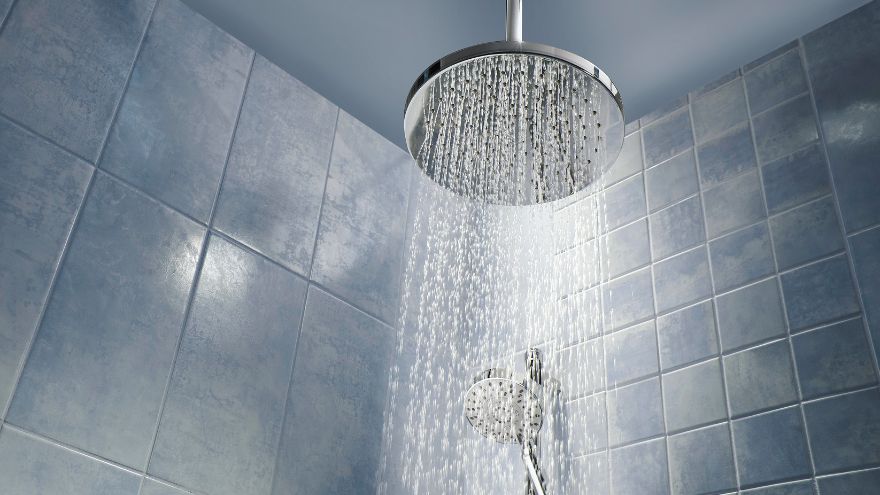
Check compact softeners at Onninen wholesale
How to calculate the required capacity of a softener based on the number of residents?
The basis for the correct selection of a water softener is the analysis of actual water consumption in the household. From our experience, a typical 4-person family consumes about 8-10 m³ of water monthly, which translates to a daily consumption of 280-330 liters.
Recommended resin capacities for different numbers of people
- 1-3 people: softener with 15-20 liters of ion exchange resin
- 4-5 people: softener with 20-25 liters of ion exchange resin
- 6-8 people: softener with 30-35 liters of ion exchange resin
- More than 8 people: two-part systems or larger compact units
In Onninen's assortment, you can find compact softeners of various capacities, allowing for precise adjustment to the individual needs of each household.
The impact of flow rate on device selection
In addition to resin capacity, the maximum flow rate of the device is crucial. Standard domestic softeners provide a flow rate of 1.5-2.5 m³/h, which is sufficient for most households. In situations of high water demand (simultaneous operation of the shower, washing machine, and dishwasher), it is important that the device is not overloaded.
We recommend from our offer the ONNLINE 15 compact softener for smaller households and larger models from the ONNLINE series for more demanding installations.
The importance of measuring water hardness in the selection process
Measuring water hardness is a fundamental step preceding the purchase of a softener. Water hardness is most often expressed in German degrees (°dH), where 1°dH corresponds to 17.86 mg CaCO₃/l of water.
| Water category | Hardness (°dH) | Characteristics |
|---|---|---|
| Very soft | 0-5°dH | Does not require softening |
| Soft | 5-10°dH | Minor problems with scale |
| Medium hard | 10-15°dH | Softening recommended |
| Hard | 15-20°dH | Softening necessary |
| Very hard | Above 20°dH | Immediate softening |
According to WHO recommendations, water above 10°dH should undergo the softening process. In Poland, the average hardness of tap water often exceeds these values, making the installation of a softener a necessity in most regions of the country.
Methods for measuring water hardness
We offer our clients several ways to verify water hardness:
- Drop tests - precise and easy to use, included in ONNLINE softener kits
- Strip tests - quick preliminary examination
- Laboratory analyses - the most accurate method for demanding installations
- Data from the water supplier - information available from local waterworks
Types of water softeners available in Onninen's offer
Our assortment includes various types of softeners tailored to the specific requirements of home installations.
Compact softeners
Compact water softeners are a popular solution for households due to their space-saving design and ease of use. All components – ion exchanger, brine tank, and controller – are housed in one unit.
Advantages of compact solutions from our offer:
- Small dimensions allowing installation in limited spaces
- Automatic volumetric control
- Built-in residual hardness regulator
- Low consumption of regenerating salt
- Ease of programming and operation
Two-part softeners
For larger households or installations with high water demand, we recommend two-part systems. They feature a separate brine tank and larger resin capacity, resulting in less frequent regeneration and greater efficiency.
Controllers and automation
Modern softeners from Onninen's offer are equipped with advanced electronic controllers:
- Volumetric control with precise flow counting
- Programmable regeneration cycles
- Immediate regeneration function
- Digital displays with intuitive operation
- Long-lasting lithium batteries
Additional factors influencing the choice of softener
Location and installation requirements
When selecting a softener, the specifics of the installation site must be taken into account:
- Access to electrical power - controllers require a voltage of 230V
- Drainage to sewage - necessary for discharging brine
- Space for installation - compact models require less space
- Access to salt replenishment - important for operational convenience
- Protection against frost - devices should be protected from freezing
Quality of raw water
The composition of the water affects the choice of additional equipment:
- High turbidity requires preliminary mechanical filtration
- Increased iron and manganese content requires deironing
- Low pH may require adjustment
- High salinity requires special ion exchange resin
Operating costs
Modern softeners from our offer are characterized by low operating costs:
- Salt consumption: 0.5-1 kg per 1 m³ of treated water
- Energy consumption: 2-5 W in standby mode
- Water consumption for regeneration: 8-12% of the volume of treated water
- Resin lifespan: 15-20 years with proper operation
Professional advice and service from Onninen
As a leader in the distribution of installation solutions, we offer comprehensive support at every stage of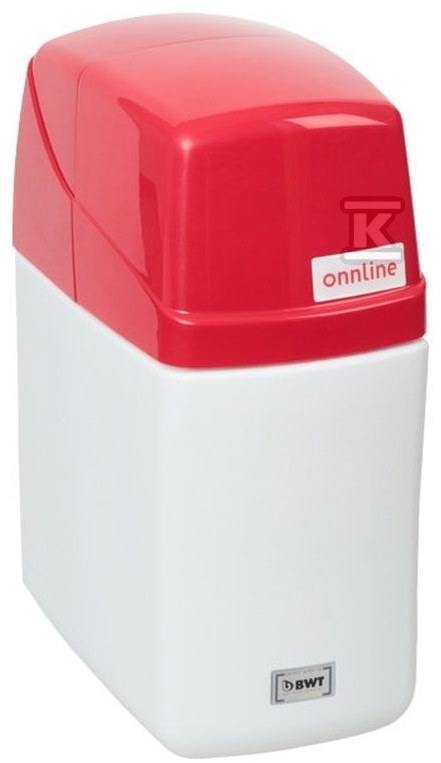 investment:
Technical advice
Our team of specialists assists in:
- Analyzing water test results and selecting the optimal solution
- Calculating operating costs for various options
- Designing installation systems
- Selecting fittings and mounting accessories
Training and support for installers
For our business partners, we organize:
- Training on the installation and programming of softeners
- Workshops on diagnosing water problems
- Technical materials and video instructions
- Phone support during installation
With a wide network of branches across Poland, we ensure quick availability of products and local technical support for installers in the field.
Frequently Asked Questions
1. Which softener should I choose for a 4-person family?
For a 4-person family, we recommend a softener with 20-25 liters of ion exchange resin. This capacity will ensure effective softening with a monthly consumption of 8-10 m³ of water. In Onninen's offer, you will find ONNLINE models with automatic volumetric control that are perfect for this type of household.
2. How often should I replenish salt in the softener?
Salt should be replenished on average every 2-3 months with normal use. The frequency depends on water hardness, consumption, and the capacity of the brine tank. Modern controllers signal the need to replenish salt, and we recommend using only tablet salt compliant with the PN-973 standard.
3. Is it safe to drink water after softening?
Yes, water after softening is safe for drinking and consumption. The ion exchange process only removes excess calcium and magnesium while retaining other beneficial minerals. People on a low-sodium diet should consult their doctor regarding consumption due to the slightly increased sodium content.
4. What are the monthly operating costs of a softener?
Monthly operating costs are approximately 15-25 PLN for an average household. This amount includes: regenerating salt (8-12 PLN), electricity (2-3 PLN), and water for regeneration (3-5 PLN). Modern ONNLINE softeners are characterized by high operational efficiency.
5. Where is the best place to install a softener in the house?
The optimal location is the boiler room, basement, or utility room behind the water meter. Access to 230V power, sewage drainage, and frost protection is important. Compact models can be installed even in small spaces due to their space-saving dimensions.
6. Does the softener require regular servicing?
Softeners are practically maintenance-free devices that only require salt replenishment. We recommend an annual technical inspection that includes checking seals, cleaning the mechanical filter, and testing water hardness after softening. Professional service extends the device's lifespan to 15-20 years.
7. What should the water hardness be after softening?
The optimal water hardness after softening is 3-6 German degrees. Complete softening to 0°dH is not recommended for copper installations. Modern ONNLINE softeners have residual hardness regulators that allow for precise adjustment of parameters to individual needs.
Investing in quality of life and protection of installations
Choosing the right water softener is an investment that pays off multiple times through operational savings and user comfort. Soft water means not only the absence of scale on fixtures but also better skin and hair condition, reduced detergent consumption, and a significant extension of the lifespan of household appliances.
At Onninen, you will find not only high-quality water softeners from renowned manufacturers but also comprehensive technical support from our specialists. Our years of experience in the installation industry guarantee that we will advise you on the optimal solution for every type of household.
We encourage you to contact our experts who will help you professionally select a softener and plan the installation. Also, check out our ranking of water softeners, where we present the best solutions available in our offer.