Co-working spaces are dynamic environments where diverse teams work in an open, shared atmosphere. At Onninen, we know that properly designed mechanical ventilation in co-working spaces is the foundation of comfort and productivity for those working there. The specifics of these spaces – a large number of users, variable loads, and diverse needs – require a thoughtful approach to designing ventilation systems.
As leaders in the distribution of installation solutions, with many years of experience in the industry, we offer comprehensive support in designing and selecting ventilation systems for office spaces. Our wide range includes all components necessary to create an efficient and energy-saving ventilation installation tailored to the specifics of co-working environments.

Check out fans at Onninen warehouse
Why mechanical ventilation is crucial in co-working spaces
Co-working spaces are characterized by high usage intensity and a variable number of employees throughout the day. In such conditions, traditional gravity ventilation proves insufficient. Ensuring optimal conditions – the right temperature and effective air exchange with so many people in one space – becomes problematic.
Specific challenges of co-working spaces
- Variable number of users – from a few people in the morning to dozens during peak hours
- Diverse sources of pollution – electronic equipment, office materials, coffee smell
- High noise levels – conversations, meetings, various activities simultaneously
- Need for flexibility – ability to adjust parameters to current needs
- Humidity control – particularly important with a large number of people
In our assortment, you will find high-quality fans dedicated to office spaces, which provide precise control of air flow and adjustment to variable loads.
How to design an effective mechanical ventilation system
Analysis of initial parameters
We start the design process with a detailed analysis of the co-working space. The volume of the room and the anticipated number of users determine the required parameters of the system. For open space areas, it is better to base calculations on the floor area – we typically assume 50-70 m³/h of fresh air per person.
| Zone type | Efficiency [m³/h/person] | Temperature [°C] | Relative humidity [%] |
|---|---|---|---|
| Main working area | 60-70 | 20-24 | 40-60 |
| Meeting rooms | 80-100 | 20-22 | 40-55 |
| Relaxation areas | 40-50 | 22-25 | 45-60 |
Choosing a supply and exhaust ventilation system
For co-working spaces, the most effective solution is a supply and exhaust system with heat recovery. Such a system allows for precise control of air parameters while saving energy. Heat recovery can reduce heating costs by as much as 30-50% annually.
Onninen offers complete ventilation systems with recovery units, ducts, diffusers, and controls – everything in one place for your project.
Placement of system components
Air supply should be located in work areas, ensuring even distribution of fresh air. Exhausts should be placed in areas with the highest concentration of pollutants – above workstations with power tools, in kitchen areas, or near copiers.
It is also crucial to properly route the ventilation ducts. The ducts should be hidden in the suspended ceiling or technical floor, with access for maintenance. Acoustic insulation of the ducts minimizes noise, which is particularly important in open office spaces.
Optimal solutions for different co-working zones
Main working space
In the central open space area, we use mixed ventilation with long-range diffusers. The system should provide 6-8 air changes per hour. It is also important to maintain the appropriate air flow speed – a maximum of 0.2 m/s in areas where people are present, to avoid drafts.
Conference and meeting rooms
These rooms require individual control of ventilation parameters due to variable loads – from an empty room to intense meetings with several people. We recommend using CO₂ sensors that automatically adjust the system's efficiency.
Social and kitchen areas
Areas with coffee machines, microwaves, and refrigerators require increased exhaust efficiency and effective odor removal. In these zones, specialized bathroom fans with increased efficiency are particularly useful, as they also perform well in social areas.
Quiet zones and focus rooms
Small rooms designated for focused work require particularly quiet operating systems. The noise level should not exceed 35 dB(A). We use fans with speed control and additional acoustic dampers.
Automation and control of the ventilation system
Modern co-working spaces require intelligent control systems that automatically adjust operating parameters to the current load of the space. Air quality, temperature, and humidity sensors allow for precise maintenance of optimal conditions with minimal energy consumption.
Key elements of the control system
- CO₂ sensors – automatic efficiency adjustment based on the number of people
- Temperature and humidity sensors – maintaining thermal comfort
- Timers – adjusting operation to usage hours
- Speed controllers – energy optimization
- Central panel – monitoring and managing the entire system
From our many years of experience, we find that properly programmed control systems can reduce ventilation operating costs by as much as 40% while maintaining full user comfort.
Materials and components for ventilation systems
The choice of appropriate materials is crucial for the long-lasting and trouble-free operation of the mechanical ventilation system. In Onninen's assortment, you will find proven solutions from reputable manufacturers that ensure reliability and energy efficiency.
Ventilation units with heat recovery
The heart of every system is the recovery unit selected based on the volume of the space and the anticipated number of users. For a typical co-working space of 200-300 m², we recommend units with an efficiency of 1500-2500 m³/h and a minimum heat recovery efficiency of 85%.
Ducts and ventilation fittings
Round ducts made of galvanized sheet metal (spiral) have the lowest flow resistance and the best acoustic properties. For installations hidden in suspended ceilings, we use acoustically insulated ducts with a minimum insulation thickness of 25 mm.
Air distribution elements
Supply diffusers should ensure even air distribution without creating drafts. For co-working spaces, swirl diffusers with adjustable flow work well. Exhaust grilles are installed in the ceiling, with easy access for maintenance.
Our offer also includes all necessary ventilation components – from dampers to filters to automation elements. Everything available in one warehouse, with professional technical advice.
Energy efficiency and savings
A properly designed mechanical ventilation system in a co-working space can bring significant 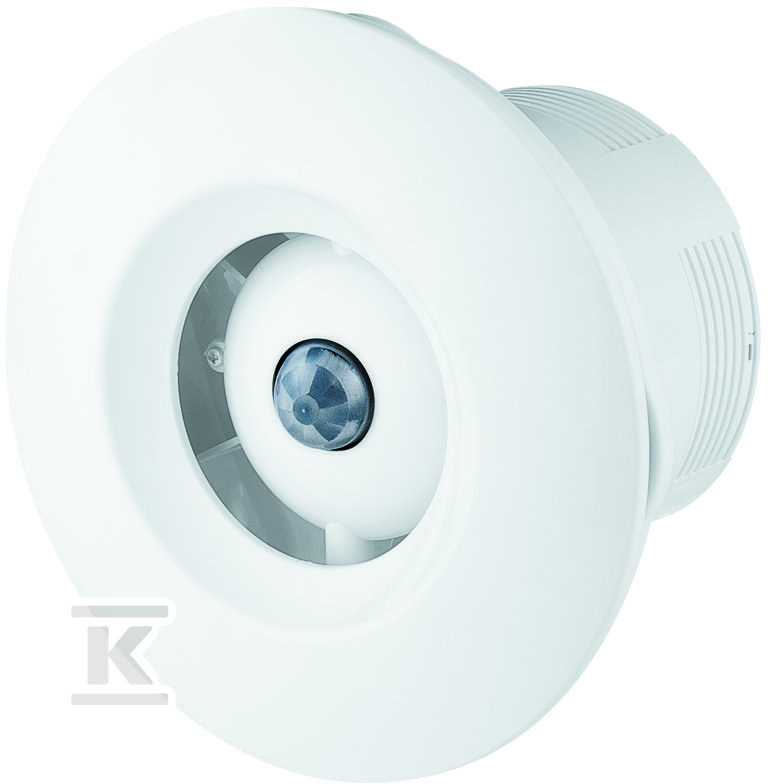 operational savings. The key is the optimal use of recovery and intelligent control that adjusts efficiency to actual needs.
Energy-saving strategies
- High-efficiency recovery – recovering 80-95% of heat from exhaust air
- EC regulation – fans with inverters save up to 50% energy
- Automatic control – adjusting to actual load
- Zone installation – independent operation of different areas
- Night mode – minimal air exchange outside working hours
Investing in an energy-efficient ventilation system typically pays off within 3-5 years due to lower heating and operating costs. An additional benefit is the possibility of obtaining energy certification for the building and a higher property value.
Frequently asked questions
What ventilation efficiency is needed for a co-working space for 50 people?
For a co-working space for 50 people, an efficiency of about 3000-3500 m³/h is needed. We assume 60-70 m³/h of fresh air per person according to ventilation standards. In practice, this means a recovery unit with a nominal efficiency of at least 4000 m³/h, taking into account pressure losses in the installation and the possibility of increased load.
Can mechanical ventilation be combined with air conditioning in a co-working space?
Yes, combining mechanical ventilation with air conditioning is an optimal solution. The system allows for independent control of air exchange and temperature. The ventilation unit provides fresh air, while the air conditioning adjusts the temperature to needs. This solution guarantees full comfort with maximum energy efficiency.
How often should filters be replaced in a co-working ventilation system?
Filters in a co-working space should be replaced every 3-6 months, depending on usage intensity. With high loads and operation for 12-16 hours a day, we recommend checking every 2-3 months. Regular filter replacement ensures optimal air quality and system efficiency, as well as protects ventilation units from contamination.
What noise level is acceptable for ventilation in an office space?
The noise level from the ventilation system should not exceed 40 dB(A) in the main co-working area. In quiet zones and focus rooms, the maximum is 35 dB(A). This is achieved through proper selection of fans, acoustic insulation of ducts, and the use of silencers. Modern EC systems with speed control allow for significant noise emission reduction.
Can mechanical ventilation operate 24/7 in a co-working space?
Yes, modern ventilation systems are designed for continuous operation around the clock. Outside of co-working hours, the system operates in night mode with reduced efficiency (about 30-50% of nominal power). This ensures basic air exchange and maintains appropriate humidity with minimal energy consumption. Automation adjusts operating parameters to the usage schedule of the space.
How much does it cost to install mechanical ventilation in a 300 m² co-working space?
The cost of a comprehensive mechanical ventilation installation in a 300 m² co-working space is approximately 80,000-120,000 PLN. This includes the recovery unit, duct network, distribution elements, automation, and installation. The price depends on the selected class of devices and the complexity of the installation. The investment pays off through operational savings within 4-6 years.
Investing in the future and comfort of work
Properly designed mechanical ventilation in a co-working space is an investment that benefits all users. Fresh air, optimal temperature, and quietness foster concentration and productivity, which directly translates into the success of the teams and companies operating there.
At Onninen, we combine expert knowledge with practical experience in implementing ventilation projects. Our wide range of products from trusted manufacturers, available in warehouses across Poland, allows for comprehensive execution of every project. We also offer professional technical advice at every stage – from initial calculations to device selection to support during installation startup.
We invite you to take advantage of our experience and create a ventilation system that will ensure an optimal microclimate in your co-working space. With modern solutions available in Onninen's offer, you can be sure that you are investing in the highest quality, energy efficiency, and long-lasting reliability.