Planning an underground electrical installation is a complex process, where the choice of the right conduit plays a key role. The underground conduit not only protects the wires from mechanical damage but also allows for easy cable replacement in the future without the need to dig up the ground.
At Onninen, we observe a growing demand for high-quality underground cable conduits among electrical installers. Our years of experience show that the proper selection of protective tubing directly translates to the durability and safety of the entire installation.
From our practice, we find that the cost of underground conduit ranges from 3 to 12 PLN per linear meter, depending on the diameter and strength class. This investment pays off multiple times due to the increased durability of the installation and the possibility of future modifications without the need for re-digging.
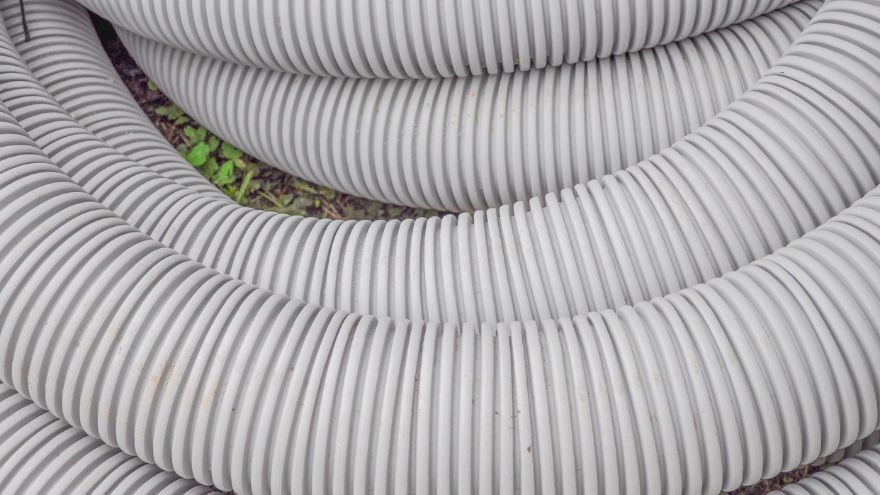
Check underground cable conduits at Onninen warehouse
How much does underground conduit cost - current price overview
The price of underground conduit mainly depends on diameter, material, and strength class. In our offer, you will find conduits at affordable prices that provide an optimal quality-to-price ratio.
| Diameter (mm) | Length (m) | Approximate price | Application |
|---|---|---|---|
| 40 | 25 | 89-120 PLN | Wires 3x2.5 mm² |
| 50 | 25 | 105-140 PLN | Three-phase cables |
| 75 | 25 | 139-180 PLN | Main connections |
| 110 | 25 | 220-280 PLN | Large installations |
Factors affecting the price of conduit
- Material - polyethylene (PE), PVC, or polypropylene (PP)
- Strength class - 450N or 750N for compression
- UV resistance - important for partially above-ground installations
- Presence of a pull cord - a cord that facilitates pulling wires
- Roll length - typically 25m or 50m
In Onninen's assortment, you will find corrugated pipes from reputable manufacturers that guarantee long-lasting protection for installations at competitive prices.
Which conduit to choose for outdoor installation
Choosing the right conduit for outdoor installation requires considering several key parameters. As experts in electrical installations, we recommend paying attention to material, mechanical strength, and environmental conditions.
Materials used for underground conduits
High-density polyethylene (HDPE) is the most commonly chosen material for producing underground conduits. It is characterized by exceptional resistance to moisture, temperature fluctuations, and chemical factors present in the soil. HDPE conduits maintain flexibility even at low temperatures.
PVC (polyvinyl chloride) offers good resistance to atmospheric factors at a lower price. It is suitable for most domestic applications but has temperature limitations in extreme conditions.
Polypropylene (PP) provides the highest mechanical resistance but comes with higher costs. We choose it for the most demanding applications.
Compression strength classes
| Class | Strength | Application |
|---|---|---|
| 450N | Standard | Gardens, sidewalks |
| 750N | Reinforced | Driveways, parking lots |
| 1250N | Heavy | Roads, industrial areas |
Diameter selection parameters
The internal diameter of the conduit should be at least 1.5 times larger than the external diameter of the wire. This rule ensures ease of installation and leaves room for future expansions.
- Wire 3×2.5 mm² - conduit minimum 20 mm
- Wire 5×2.5 mm² - conduit minimum 25 mm
- Wire 3×4 mm² - conduit minimum 32 mm
- Three-phase cable 5×6 mm² - conduit minimum 40 mm
Why it is worth using conduit in underground installations
The experience gained from thousands of implementations shows us that using conduit in underground installations is a investment in the future. The benefits far outweigh the initial costs.
Protection against mechanical damage
The conduits from our offer are characterized by compression strength of 450-750N, which means resistance to the pressure of growing roots, soil settling, or traffic loads. This is particularly important when running installations under driveways or sidewalks.
Ease of replacement and expansion of installations
The greatest advantage of using conduit is the ability to replace wires without digging up the ground. In our practice, we have repeatedly observed situations where, thanks to the use of the right conduit, clients could expand the installation from single-phase to three-phase without disturbing the infrastructure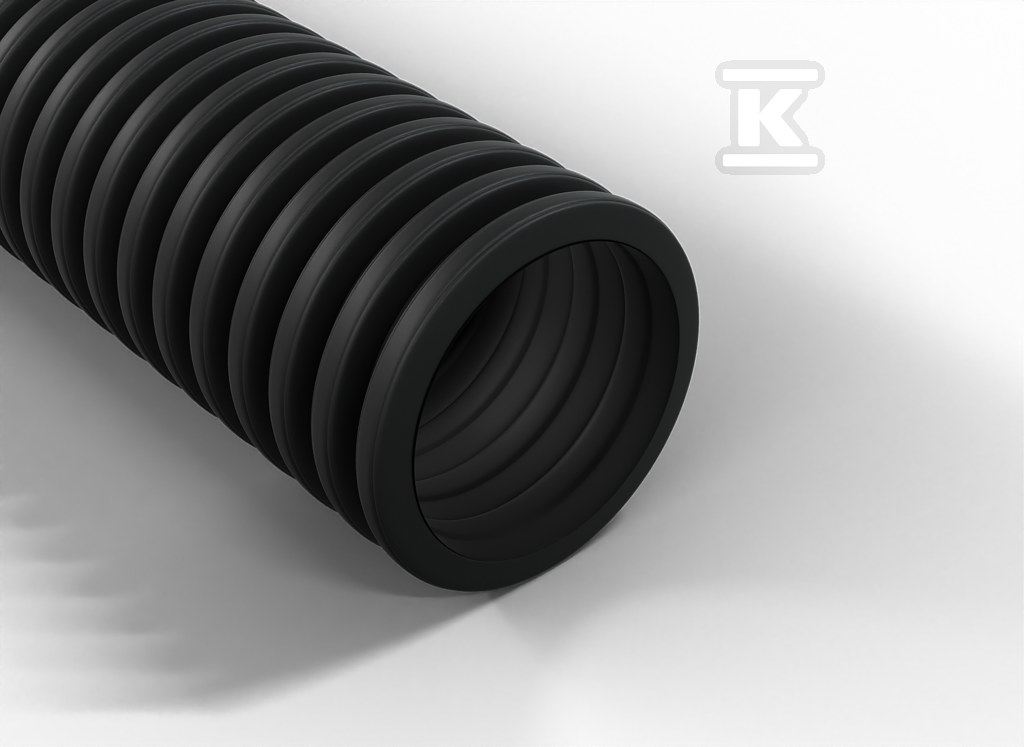 garden.
Conduits equipped with a pull cord significantly facilitate the pulling of new wires. This seemingly small element saves hours of work with every modification of the installation.
Protection against moisture and corrosion
The sealed construction of the conduit prevents water from entering the interior, which protects the insulation of the wires from degradation. This is particularly important in the case of installations laid in soils with a high groundwater level.
Conduit installation - practical tips
Proper installation of the conduit is as important as its correct selection. From our experience, proper preparation of the excavation and adherence to depth standards determines the durability of the entire installation.
Excavation preparation
- Depth of at least 70 cm for cables without additional protection
- Can be reduced to 50 cm when using conduit
- Sand bedding 10 cm under the conduit
- Sand backfill 15 cm above the conduit
- Warning tape 30 cm above the conduit
Laying technique
The conduit should be laid without sharp bends and twists. In connection points, we use dedicated connectors that ensure tightness. The ends of the conduit are secured with special caps or sealing compound.
When installing, we pay special attention to a bending radius at least 6 times greater than the external diameter of the conduit. Too sharp bends can damage the structure of the pipe and hinder the pulling of wires.
Frequently asked questions
1. Does the underground cable have to be in a conduit?
No, the underground cable YKY does not have to be in a conduit. It can be laid directly in the ground at a depth of 70 cm. However, the conduit provides additional protection and allows for easy wire replacement in the future.
2. What conduit for 3×2.5 wire?
For 3×2.5 mm² wire, we recommend a conduit with an internal diameter of at least 20 mm. In Onninen's offer, you will find suitable corrugated pipes with an external diameter of 25 mm that provide optimal installation conditions.
3. How much does a 50 mm conduit cost?
The price of a 50 mm conduit is around 105-140 PLN for a 25-meter roll. The cost depends on the strength class (450N/750N) and the material used. At Onninen, we offer competitive prices while maintaining the highest quality.
4. What is the depth for laying conduit in the ground?
We lay the conduit at a depth of at least 50 cm, typically 70 cm. Under driveways and roads, the depth can be as much as 90 cm. It is also important to use warning tape 30 cm above the conduit.
5. Conduit 450N or 750N - which to choose?
450N conduit is sufficient for gardens and sidewalks, while 750N is chosen for driveways. For most domestic installations, 450N is adequate, but in areas with increased mechanical loads, we recommend 750N for certainty.
6. Does the conduit protect against moisture?
Yes, the conduit provides effective protection against moisture. The sealed construction prevents water from entering the interior, which protects the insulation of the wires from degradation and extends the lifespan of the installation.
7. How long can the conduit stay in the ground?
High-quality HDPE conduit can function in the ground for over 50 years. The conduits from our offer made of high-density polyethylene are characterized by exceptional durability and resistance to environmental factors.
8. Can the conduit be connected underground?
Yes, the conduit can be connected using dedicated connectors. We offer special snap connectors that ensure a tight connection of conduit sections. It is important to use appropriate seals at connection points.
Professional solutions for demanding installers
At Onninen, we understand the needs of professional installers who are looking for not only high-quality products but also comprehensive technical support. Our corrugated pipes come from verified manufacturers and are available immediately from our warehouses.
We offer a wide selection of diameters from 25 mm to 160 mm, various strength classes, and comprehensive accessory systems. Our teams across Poland provide expert advice on selecting optimal solutions for every project.
Investing in high-quality underground conduit is a decision that pays off for decades. With the possibility of easy wire replacement and installation expansion, the initial costs are recouped multiple times. We invite you to take advantage of our experience and wide product range - together we will create installations that will serve for years.