The proper selection of electrical installation pipes is a fundamental element of any professional electrical installation. From our many years of experience in the installation industry, it is clear that the right selection criteria determine the safety, durability, and functionality of the entire system. Modern electrical installation pipes selection requires consideration of many technical and environmental factors.
At Onninen, we offer a comprehensive range of piping solutions that meet the highest quality and regulatory standards. Our experience shows that professional selection of protective pipes significantly affects the ease of installation, operational safety, and long-term reliability of electrical installations. From industry practice, we know that incorrect pipe selection can lead to installation problems, wire damage, and costly repairs.
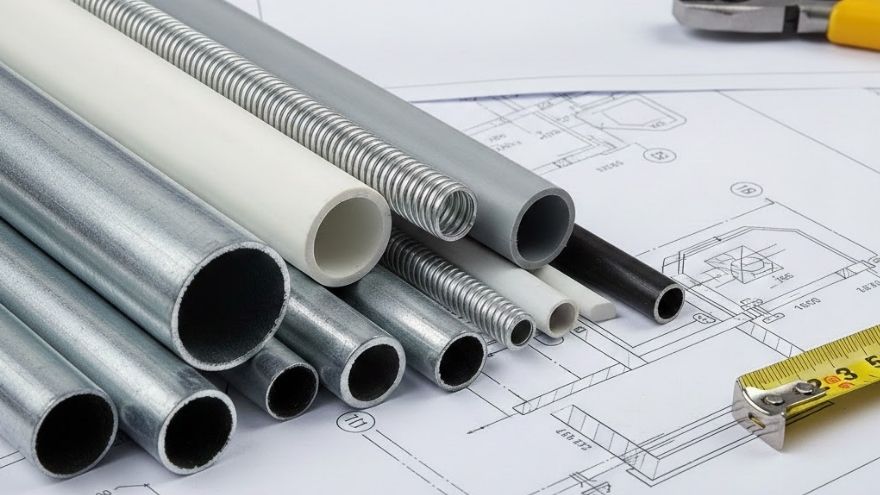
Check electrical installation pipes at Onninen warehouse
Basic types of electrical installation pipes
The modern market offers a wide range of electrical installation pipes, each with different properties and applications. In our assortment, we distinguish the main product categories tailored to specific installation requirements.
Flexible corrugated pipes (peszle)
Corrugated pipes are the most versatile solution in electrical installations. From our experience, flexible pipes work perfectly in flush-mounted and underfloor installations, where flexibility in routing cable paths is required.
- Mechanical strength: Available in classes 320N and 750N for a 5cm section
- Materials: PVC, PE, PP, and halogen-free versions
- UV resistance: Special versions for outdoor installations
- Diameters: From 11/16mm to 40/50mm (internal/external)
- Accessories: Option with a pull cord to facilitate wire pulling
Rigid smooth pipes
Rigid PVC pipes are characterized by high mechanical strength and are ideal for surface-mounted installations. Onninen offers standard lengths of 3 meters in a wide range of diameters.
| Diameter (mm) | Application | Strength |
|---|---|---|
| 16-25 | Home installations | 320N/5cm |
| 28-47 | Industrial installations | 750N/5cm |
Steel and aluminum pipes
In industrial environments and places exposed to high mechanical loads, we recommend metal pipes. We offer galvanized steel solutions and aluminum with a full range of mounting accessories.
Key criteria for selecting pipe diameter
The correct selection of the diameter of the electrical installation pipe is the most important aspect of the entire design process. From our installation practice, it follows that the internal diameter of the pipe must be carefully matched to the number and cross-section of the wires that will be routed within it.
Rules for calculating diameter
The basic rule applied by our technical experts is to ensure the appropriate fill ratio of the pipe. The cross-sectional area of the wires should not exceed 40-50% of the internal area of the pipe, which ensures free pulling and exchange of cables.
- Single wire: Minimum pipe diameter 1.5x the diameter of the wire
- Multi-wire bundles: Use the formula for the sum of cross-sectional areas
- Installation reserve: An additional 20-30% reserve facilitates installation
- Future expansions: Anticipating potential additional wires
Practical examples of selection
In everyday practice, we often encounter questions about the selection of pipes for standard installation wires. Here are our recommendations based on years of experience:
- YDYp 3×1.5 mm²: Pipe 16/11mm or 20/15mm for a single wire
- YDYp 3×2.5 mm²: Optimally 20/15mm or 25/19mm with reserve
- YDYp 5×2.5 mm²: Minimum 25/19mm, better 32/26mm
- Multi-wire bundles: Individual calculations considering the sum of cross-sections
Mechanical strength - classes 320N and 750N
The choice of the appropriate class of mechanical strength is crucial for the long-term operation of the installation. In Onninen's assortment, we offer pipes in two basic strength classes, tailored to different installation and operational conditions.
320N class pipes - standard applications
Pipes with a strength of 320N are an optimal solution for most residential and office installations. This strength class is suitable for wall-mounted, flush-mounted installations, and in drywall partitions.
- Flush-mounted installations in traditional walls
- Routing wires in partition walls
- Ceiling installations in residential buildings
- Applications where significant mechanical loads do not occur
750N class pipes - reinforced protection
The 750N strength class provides increased resistance to mechanical loads and is essential in demanding installation conditions. We particularly recommend them for industrial installations and places exposed to damage.
- Concrete and underfloor installations
- Routing wires under roads and driveways
- Outdoor installations exposed to pressure
- Industrial applications and production halls
- Areas with an increased risk of mechanical damage
Construction materials and their properties
The choice of the appropriate construction material for the electrical installation pipe determines its operational properties and areas of application. In Onninen's offer, we present solutions made of 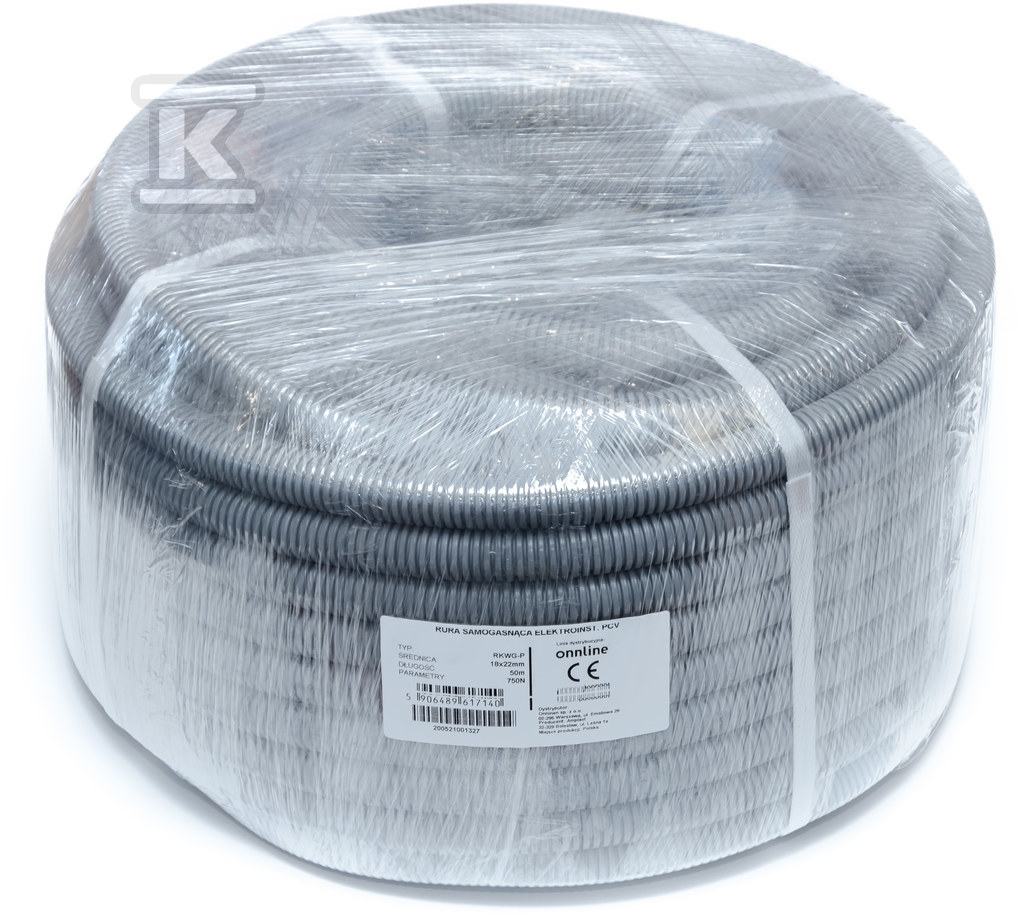 various materials, each with a unique set of technical properties.
PVC - polyvinyl chloride
PVC pipes are the most versatile and economical solution in electrotechnical installations. The material is characterized by an excellent ratio of properties to price, making it the basis of our offer for standard applications.
- Chemical resistance: High resistance to acids, alkalis, and salts
- Electrical properties: Excellent insulating properties
- Temperature range: Typically from -5°C to +60°C
- Flammability: Self-extinguishing properties, class V-0
- UV resistance: Available UV-stabilized versions
Halogen-free materials
In public utility buildings and structures with increased fire safety requirements, we use halogen-free pipes. These advanced materials do not emit toxic gases during combustion, which is crucial for user safety.
- Public utility buildings (schools, hospitals, office buildings)
- Wooden structures
- Attics and usable attics
- Installations in tunnels and underground passages
Polyethylene (PE) and polypropylene (PP)
Pipes made of polyethylene and polypropylene offer increased flexibility and resistance to low temperatures. They are particularly suitable for underground and outdoor installations, where high strength parameters are required.
Environmental conditions and special requirements
Analyzing the environmental conditions in which the installation will operate is a key element of the process of selecting electrical installation pipes. Our experience shows that considering all external factors ensures long-lasting and trouble-free operation of the system.
Outdoor installations and UV resistance
In installations exposed to sunlight, we use only UV-resistant pipes. In Onninen's assortment, we offer special product series adapted for long-term outdoor use.
- UV stabilizers: Added during production to extend lifespan
- Black color: Naturally resistant to radiation
- Certification: Confirmation of resistance through testing
- Photovoltaic installations: Special requirements for PV systems
Humid and aggressive environments
In rooms with increased humidity or the presence of chemicals, we recommend pipes with increased chemical resistance. Our solutions are suitable for swimming pools, laboratories, industrial plants, and other demanding environments.
Temperature hazards
The operating temperature range is often an overlooked but crucial parameter for selection. We offer pipes adapted for operation in a wide temperature range, from cryogenic applications to high-temperature industrial applications.
Accessories and system elements
A complete piping system requires appropriately selected mounting accessories. Onninen offers a full range of complementary elements that ensure professional installation and reliable connections.
Mounting systems and brackets
Closed and open brackets in various material designs provide stable mounting of pipes to the substrate. We offer solutions for all types of mounting surfaces - from concrete to steel structures.
Connectors and joining elements
Professional compensating and corrugated connectors allow for the creation of long piping routes while maintaining continuity of mechanical protection. Our connectors are characterized by high tightness and ease of installation.
End caps and conduits
Proper termination of piping routes requires the use of appropriate end caps and conduits. We offer solutions that ensure tightness and protection against moisture ingress into the piping system.
Frequently asked questions
1. What diameter pipe for wire YDYp 3×2.5 mm²?
The optimal diameter is 20/15mm or 25/19mm (external/internal). From our experience, a larger size ensures ease of installation and the possibility of future modifications to the installation. The cross-sectional area of the wire should constitute a maximum of 40% of the internal area of the pipe.
2. When to use 750N pipes instead of 320N?
750N pipes are essential in concrete, underfloor, and industrial installations where high mechanical loads occur. The 320N class is sufficient for home flush-mounted and surface-mounted installations. The price difference is minimal, and the gained strength significantly increases the safety of the installation.
3. Can different circuits be run in one pipe?
No, each circuit requires a separate electrical installation pipe according to safety standards. Mixing circuits in one pipe complicates diagnostics, increases the risk of damage, and violates the clarity of the installation. An exception is made for wires of the same multi-wire circuit.
4. What pipes to choose for outdoor installations?
For outdoor installations, choose black UV-resistant pipes with a minimum strength of 750N. In Onninen's offer, we have special series RKSGD-UV and similar with certified resistance to sunlight. Standard white or gray pipes degrade quickly under UV influence.
5. What does it mean to have a pull cord and is it worth it?
A pull cord is a steel wire or thread that facilitates wire pulling over long distances. It is definitely worth choosing the version with a pull cord - the price difference is minimal, and the time savings during installation are significant. The pull cord eliminates the need for additional tools for pulling wires.
6. How deep should pipes be laid in the ground?
The minimum depth is 70 cm in publicly accessible areas and 100 cm under roads. Pipes are laid in a layer of sand (10 cm below and above the pipe) with a warning foil at a depth of 25-30 cm from the surface. For underground applications, we recommend double-walled PE pipes with diameters of 40-160mm from our offer.
7. When to use halogen-free pipes?
Halogen-free pipes are required in public utility buildings and structures with wooden construction. They do not emit toxic gases during a fire, which increases evacuation safety. In Onninen's assortment, we offer series RLHF and RSHF that meet the highest fire safety standards.
8. How to calculate the fill of a pipe with wires?
The sum of the cross-sectional areas of the wires should not exceed 40% of the internal area of the pipe. We use the formula: π × (wire diameter/2)² for each wire, sum the results, and compare with π × (internal diameter of the pipe/2)². This ensures free pulling and exchange of wires.
Professional selection - quality guarantee of the installation
The proper selection of electrical installation pipes is an investment in long-term safety and functionality of the electrical installation. From our experience at Onninen, it follows that thoughtful selection criteria directly translate into the quality of execution and satisfaction of end users.
Our team of technical experts provides professional advice at every stage of project implementation. In Onninen's assortment, you will find a comprehensive range of electrical installation pipes selection, mounting accessories, and installation tools from trusted European manufacturers. We offer not only the highest quality products but also professional technical support, training, and comprehensive logistical solutions tailored to the needs of professional installers.
Remember that savings at the stage of material selection often lead to significantly higher operational and repair costs. By choosing proven solutions from Onninen's offer, you invest in the reputation of your company and the safety of the electrical installation projects you carry out.